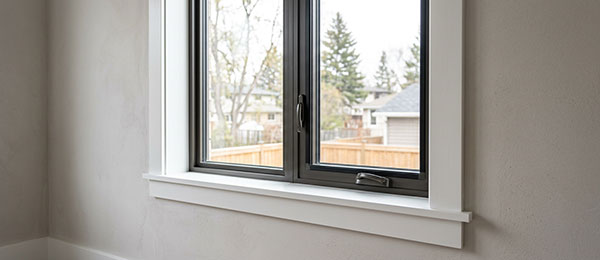
Condensation on windows often seems like a minor inconvenience until black mould starts to appear along the frames and sills. In reality, this is a clear signal that your home’s moisture balance and window performance are out of sync. Understanding condensation is key to preventing mould.
Key Takeaways
- Condensation on windows is a primary trigger for black mould growth because it creates persistent moisture on surfaces where spores naturally exist.
- Modern window design, proper insulation, and ventilation systems are critical in preventing condensation buildup.
- Winter conditions intensify condensation problems, especially in homes with airtight construction and inadequate airflow.
- Persistent condensation is often a sign of installation defects, seal failure, or insulation gaps, not just high humidity.
- Upgrading windows becomes necessary when seal failure, drafts, or repeated moisture buildup cannot be resolved through maintenance alone.
- Modern window technologies such as double- or triple-glazing, low-emissivity (Low-E) coatings, and insulated frames significantly reduce the risk of condensation.
- Consistent airflow and moisture management are more effective than short-term fixes like wiping windows.
Why does condensation on windows lead to black mould growth?
Condensation might seem harmless at first glance. It often appears as fog or water droplets on glass. But in reality, it creates a perfect environment for black mould to develop, especially around window frames, seals, and sills. Once mould forms, it spreads quickly rather than staying localized.
Moisture buildup
At its core, mould growth depends on three key elements: moisture, organic material, and suitable temperature. Windows provide all three.
When warm indoor air meets a colder window surface, water vapour condenses into liquid. This moisture accumulates along:
- Window glass edges
- Frame joints
- Sealant lines
- Window tracks
Over time, repeated condensation leads to persistent dampness, which is exactly what mould spores need to activate and grow. Mould spores are already present in indoor air, and moisture allows them to grow.
According to the Government of Canada’s Indoor Air Quality guidelines, mould can begin to grow on a damp surface within 24 to 48 hours if conditions remain stable. That means even short-term condensation, if repeated daily, can lead to long-term problems.
An important consideration is that modern homes are more airtight than ever. While this improves energy efficiency, it also traps humidity indoors. Without proper window performance or ventilation, moisture has nowhere to go, so it settles on the coldest surfaces. Often, that’s your windows.
Poor ventilation
Ventilation plays a massive role in whether condensation turns into mould. Without adequate airflow, humid air lingers, and windows become the primary surfaces for condensation.
Common ventilation issues include:
- Sealed homes without mechanical ventilation systems
- Blocked or underused exhaust fans
- Poor air circulation near windows (e.g., heavy curtains, furniture placement)
But here’s something often overlooked. Window design also influences airflow and condensation behaviour.
As seasoned engineer Sergey Essipov, with over 20 years in window manufacturing, explains:
“Condensation is not just a humidity issue. It is a surface temperature problem. When windows are properly engineered with modern glazing and insulation, they reduce cold zones where moisture can settle.”
That insight shifts the perspective. It involves both indoor air control and improved window surfaces where condensation happens.
Conditions that accelerate mould growth
Let’s break down how condensation transitions into mould risk:
| Condition | Effect on Mould Growth | Risk Level |
| High indoor humidity (>60%) | Provides a continuous moisture source | High |
| Cold window surfaces | Encourages condensation formation | High |
| Poor ventilation | Traps moisture indoors | High |
| Organic material (dust, wood frames) | Acts as a food source for mould | Medium |
| Temperature range (15–30°C) | Ideal for mould growth | High |
Even clean windows aren’t immune. Dust particles, which are almost invisible, can serve as nutrients for mould colonies.
And then there’s the structural impact. Mould does not stay on the surface. It can also penetrate:
- Wooden window frames
- Drywall around window openings
- Insulation layers
This leads to deterioration over time, increasing repair costs, and potentially affecting indoor air quality.
The role of window technology
High-performance windows help keep interior glass surfaces warmer, reducing the risk of condensation.
Features that help include:
- Double or triple glazing to maintain warmer interior glass surfaces
- Low-E coatings to reflect heat back into the room
- Gas-filled panes (argon or krypton) to improve insulation
- Warm-edge spacers to reduce condensation at glass edges
These are not just upgrades. They are preventative measures against mould.
What’s the takeaway here? Persistent condensation creates conditions that allow mould to develop. Control moisture at the window level, and you eliminate the conditions on which mould depends.
What causes condensation in windows, and how can you identify it early?
If you’ve ever noticed foggy windows in the morning or droplets forming along the edges, you’ve already seen condensation in action. But understanding why it happens and identifying it early helps prevent bigger issues like mould or frame damage.
Indoor vs outdoor temps
Condensation forms when warm, moisture-laden indoor air meets a colder surface, typically window glass. The greater the temperature difference between inside and outside, the more likely condensation is to occur.
Here’s a simple breakdown:
- Warm air holds more moisture
- Cold surfaces cannot retain that moisture
- As a result, water droplets form on windows
This effect becomes especially noticeable in:
- Early mornings
- Cold weather periods
- Rooms with high humidity (kitchens, bathrooms)
But temperature isn’t the only factor.
Additional causes of condensation
Condensation often results from a combination of factors:
- High indoor humidity (cooking, showers, plants, humidifiers)
- Poor insulation in window frames or walls
- Aging or low-quality windows
- Air leaks around window seals
- Lack of ventilation systems
And sometimes, it’s subtle. Moisture may be present even without visible water.
Early warning signs to watch for
Identifying condensation early can save you from costly repairs. Look for:
- Fogging between glass panes (indicates seal failure)
- Water droplets on interior glass surfaces
- Damp or discoloured window sills
- Peeling paint or bubbling finishes near windows
- Musty odours around frames
Many homeowners notice the problem only after mould becomes visible, by which point the damage has already progressed.
Step-by-step guide to identifying condensation early
- Check windows daily during colder months
Look for fogging or moisture accumulation in the morning. - Monitor humidity levels indoors
Use a hygrometer. Keep levels between 30–50%. - Inspect window edges and seals
Pay attention to corners where condensation often starts. - Feel for cold spots near windows
Uneven temperatures indicate insulation problems. - Look between panes
If condensation appears inside the glass unit, the seal has failed. - Observe patterns
If condensation appears consistently in specific rooms, investigate ventilation.
Why window quality matters
Not all windows perform equally. Lower-quality units often:
- Have poor insulation values (low R-value)
- Allow heat to escape quickly
- Create cold interior surfaces
In contrast, modern high-performance windows are engineered to maintain more consistent internal temperatures, which helps reduce the risk of condensation.
Condensation is often the first visible sign of window inefficiency. It’s not just a cosmetic issue; it’s a useful diagnostic signal that indicates your windows may not be performing as they should.
Why do my windows have condensation on the inside during winter?

What might be a minor issue in the fall becomes a daily occurrence once temperatures drop. And suddenly, your windows are covered in moisture every morning.
Why? Because winter creates the perfect imbalance between indoor and outdoor conditions, especially in Ontario cities like Kitchener, Markham, and Mississauga.
Winter condensation issues
During winter:
- Indoor air is warm and humid
- Outdoor air is cold and dry
- Window surfaces become significantly colder
This temperature gap leads to rapid condensation formation on the interior side of windows.
Heating systems increase indoor air temperature but do not necessarily reduce humidity levels unless combined with proper ventilation or dehumidification.
According to the Government of Canada, indoor humidity should be reduced to 30–35% in winter to prevent condensation on windows.
Key winter-specific causes
- Sealed homes: Modern construction traps air inside
- Reduced ventilation: Windows stay closed for long periods
- Humidifiers in use: Often increase moisture beyond safe levels
- Daily activities: Cooking, drying clothes, and showers add moisture
Window performance also plays a critical role in this process. Older or poorly insulated windows become cold enough to trigger constant condensation.
Comparison: Winter vs non-winter condensation
| Factor | Winter | Non-Winter |
| Temperature difference | Extreme | Moderate |
| Indoor humidity impact | High | Medium |
| Ventilation levels | Low | Higher |
| Condensation frequency | Daily | Occasional |
| Mould risk | High | Moderate |
The hidden impact of winter condensation
What makes winter particularly problematic is consistency. This isn’t a one-time issue. Condensation occurs every day.
This leads to:
- Persistent dampness around window frames
- Gradual material degradation
- Increased likelihood of black mould formation
And because windows are often covered with curtains or blinds in winter, moisture can remain trapped for longer.
How modern windows reduce winter condensation
Advanced window systems address winter-specific challenges through:
- Improved thermal insulation
- Reduced heat transfer
- Better sealing technology
Window Force Inc. focuses on manufacturing windows suited for Canadian winters, where performance isn’t optional — it’s essential.
Practical prevention strategies
To reduce winter condensation:
- Lower indoor humidity (use dehumidifiers if needed)
- Improve airflow (open curtains, rearrange furniture)
- Use exhaust fans consistently
- Upgrade to energy-efficient windows
What’s interesting is that many homeowners try to fix condensation with ventilation alone, ignoring window performance. But both need to work together.
Because in the end, condensation results from multiple interacting factors.
What are the risks of black mould on windows and window sills?
Black mould around windows is rarely just a cosmetic issue. In most cases, it signals a broader imbalance between indoor humidity, temperature, and ventilation. In Canadian homes, especially during winter, condensation forms when warm indoor air meets cold glass surfaces. That persistent moisture creates an ideal environment for mould spores to settle and grow.
Health implications: allergies and respiratory issues
The most immediate concern is health. According to the Government of Canada’s guidance on indoor air quality, mould exposure can trigger a range of symptoms, particularly in sensitive individuals:
These include:
- Nasal congestion and sinus irritation
- Persistent coughing or wheezing
- Eye and throat irritation
- Skin reactions
- Aggravation of asthma symptoms
In cases of more severe or prolonged exposure, mould can contribute to chronic respiratory conditions. Children, seniors, and individuals with compromised immune systems are especially vulnerable.
What makes window mould particularly problematic is its proximity to breathing zones. Unlike mould hidden behind walls, mould on window frames and sills releases spores directly into living spaces, where airflow continuously circulates them.
Structural and material damage
Beyond health concerns, mould gradually compromises the integrity of window components. This is especially evident in:
- Wooden frames and sills, where mould feeds on organic material and accelerates rot
- Sealants and gaskets, which can degrade under constant moisture exposure
- Drywall and insulation near windows, leading to hidden structural damage
From an engineering standpoint, persistent mould often indicates thermal bridging or air leakage, both of which reduce the performance of the entire window assembly.
Sergey Essipov, a seasoned engineer with over 20 years in window manufacturing, explains:
“When mould appears on a window, it is rarely just a cleaning issue. It usually indicates that the window system is not effectively managing condensation, whether due to outdated glazing, improper installation, or insufficient ventilation.”
This highlights an important reality: cleaning alone does not solve the root problem. Without addressing airflow, insulation, and humidity control, mould will return.
Impact on indoor air quality
Indoor air quality (IAQ) is increasingly recognized as a critical factor in overall health and comfort. Mould spores contribute directly to airborne particulate matter, reducing IAQ and creating long-term exposure risks.
Windows play a surprisingly central role here. Poorly performing windows can:
- Increase condensation frequency
- Limit proper ventilation exchange
- Create cold zones where moisture accumulates
Conversely, modern window systems are designed to:
- Maintain higher interior glass temperatures
- Reduce condensation formation
- Support controlled ventilation
This is why addressing mould often involves not just cleaning, but evaluating whether window upgrades or adjustments are necessary.
How to remove mould from windows and why cleaning alone is not enough?
Cleaning mould from window surfaces
Surface mould on glass and frames can be removed with mild solutions such as vinegar or soap-and-water, followed by thorough drying. However, even effective cleaning only removes visible contamination. It does not eliminate the underlying cause: recurring condensation.
- Use a mild solution (vinegar or soap with water)
- Apply with a soft cloth or sponge
- Avoid abrasive tools that can damage seals
- Always dry the surface completely
Cleaning mould from window sills
For window sills, especially vinyl ones, cleaning is typically straightforward due to their non-porous surfaces. But if mould keeps returning, it often indicates deeper issues such as trapped moisture, poor insulation, or restricted airflow around the window area.
- Clean with non-abrasive materials to protect the surface
- Focus on corners and joints where moisture accumulates
- Ensure proper drying after cleaning
- Monitor for recurring moisture or discoloration
Why window performance matters more than cleaning
Surface cleaning removes visible mould but does not prevent recurrence if moisture issues remain unresolved. Persistent mould growth is usually linked to cold interior surfaces, air leakage, or outdated glazing. High-performance windows with proper insulation, tight sealing, and modern glazing technologies help maintain stable surface temperatures, reducing condensation and eliminating the conditions mould depends on.
- Warmer interior glass reduces condensation risk
- Proper sealing prevents air leakage and cold spots
- Modern glazing improves thermal performance
- Insulated frames help maintain consistent temperatures
How to prevent condensation on windows in the long term?
Condensation forms on window surfaces when moisture in the air meets a colder glass temperature. When warm, moisture-laden indoor air meets a colder window surface, water forms. So, preventing condensation in the long term is not about reacting. It is about controlling the environment that creates it.
Understanding the root cause: humidity vs surface temperature
Indoor humidity is the biggest variable. Maintaining indoor relative humidity between 30% and 35% in winter significantly reduces the risk of condensation. Temperature is equally important.
Older or poorly insulated windows have colder glass surfaces on the inside. Even if humidity is “acceptable,” condensation can still occur because the glass temperature drops below the dew point. That’s why upgrading windows is often part of the long-term solution, not just improving air quality.
Everyday activities also contribute significantly to indoor moisture:
- Cooking without ventilation
- Long hot showers
- Drying clothes indoors
- Even breathing (a family of four can produce several litres of moisture daily)
That moisture has to go somewhere, and windows are often the coldest surface in the room.
Step-by-step prevention strategy
1. Control indoor humidity (foundation step)
Start here — always.
- Use a hygrometer to monitor levels (they’re inexpensive and accurate)
- Run dehumidifiers in moisture-prone areas like basements
- Turn on bathroom and kitchen exhaust fans during and after use
- Avoid over-humidifying with plants or humidifiers in winter
Humidity levels above 50% in winter are widely recognized as a key threshold where condensation risk increases significantly, particularly on standard double-pane windows with lower interior surface temperatures
2. Improve airflow throughout the home
Air circulation prevents moisture from settling on window surfaces.
- Keep interior doors slightly open to promote airflow
- Use ceiling fans on low settings
- Ensure vents are not blocked by furniture or curtains
- Open blinds or drapes during the day to allow warm air to reach glass surfaces
Stagnant air creates microclimates where condensation thrives.
3. Upgrade to high-performance windows
This is where modern window technologies become essential. Today’s high-performance windows are specifically engineered to reduce the risk of condensation by improving thermal efficiency and keeping interior glass surfaces warmer.
Key features to look for:
- Double or triple glazing with argon or krypton gas fills
- Low-E coatings to reflect heat back inside
- Warm-edge spacers that reduce cold transfer at glass edges
- Thermally efficient frames (vinyl or composite)
Here’s the reality: even perfect humidity control won’t fully solve condensation if your windows are outdated.
Sergey Essipov, a seasoned engineer with 20 years of experience in window manufacturing, explains:
“Condensation is driven by both indoor humidity and surface temperature, not humidity alone. Modern window systems are designed to keep interior glass surfaces warmer, which directly reduces the likelihood of moisture forming.”
That is the engineering side of prevention, which is often overlooked but critical.
4. Address insulation around windows
Even the best windows can underperform if installed poorly.
- Seal gaps with low-expansion foam insulation
- Check for air leaks around frames
- Ensure proper vapour barriers are in place
Air leakage around window frames can lower interior surface temperatures, increasing the risk of condensation even with high-quality glazing.
Why short-term fixes don’t work
Wiping condensation off windows may prevent immediate water buildup, but it doesn’t address the cause. In fact, it often masks underlying issues like:
- Poor ventilation design
- Inadequate window performance
- Excess indoor humidity
Over time, this leads to more serious problems, such as black mould growth on frames and sills.
The long-term mindset
Preventing condensation is not about a single fix. It requires a system:
- Control moisture
- Improve airflow
- Upgrade window performance
- Ensure proper installation
Miss one, and the problem often returns. And if you’re noticing condensation regularly during winter? That’s not normal and usually signals an imbalance in your home.
When should you consider replacing windows to solve condensation issues?

Condensation can sometimes be managed, but in other cases, it is a clear sign your windows are no longer doing their job. The tricky part is knowing the difference.
In many cases, working with a reliable window supplier can help identify whether repair is still possible or if full replacement is the better long-term solution.
Key signs your windows are failing
Not all condensation is equal. Occasional fogging during extreme cold is normal. Persistent or severe condensation? That’s a warning sign.
Look for these indicators:
- Condensation between panes (failed seal, cannot be repaired)
- Frequent interior condensation despite low humidity
- Cold drafts near windows
- Visible deterioration of frames or seals
- Ice buildup on the interior during winter
The most telling sign is condensation inside the glass unit itself. That means the insulating seal has failed, allowing moisture to enter, which cannot be fixed by ventilation.
Cost vs benefit: repair or replace?
Homeowners often hesitate because of cost. Window replacement is not only about condensation.
It affects:
- Energy efficiency
- Heating costs
- Indoor comfort
- Property value
Below is a practical comparison:
| Factor | Repair / Temporary Fix | Full Window Replacement |
| Initial Cost | Low | Higher upfront |
| Longevity | Short-term | 20–30 years |
| Energy Efficiency | Minimal improvement | Significant improvement |
| Condensation Control | Limited | Highly effective |
| Comfort | Often unchanged | Noticeably improved |
| Risk of Mould | Still present | Greatly reduced |
In many cases, repeated temporary fixes end up costing more over time.
When replacement becomes the smarter choice
You should seriously consider replacement if:
- Windows are 15–20+ years old
- You experience daily condensation in winter
- Seals are visibly compromised
- Energy bills are increasing without explanation
At that point, it is not just a moisture issue. It is a system failure.
Can poor insulation or installation cause ongoing window condensation?
Yes — and more often than people realize. Condensation is frequently blamed on humidity alone, but building science tells a more complete story. Installation and insulation play a direct role in how windows perform under real conditions.
How installation affects condensation
Even a high-end window can fail if installed incorrectly.
Here’s what happens:
- Gaps around the frame allow cold air infiltration
- Interior surfaces become colder than expected
- Moisture condenses more easily on glass and frames
This creates a false impression that the window itself is defective, when the issue is often related to installation quality.
Common installation problems
- Improper sealing or caulking
- Missing or poorly installed insulation around the frame
- Incorrect alignment is causing air leaks
- Lack of vapour barrier continuity
Air leakage is one of the leading contributors to localized condensation problems in residential windows.
The role of insulation
Insulation acts as a thermal buffer. Without it, heat escapes and surfaces cool down. This is especially critical in Canadian climates, where outdoor temperatures can drop dramatically.
When insulation is inadequate:
- Window perimeters become cold zones
- Condensation forms even if the central glass performs well
- Mould risk increases in hidden areas
Comparison: Proper vs. Poor Installation
| Aspect | Proper Installation | Poor Installation |
| Air Tightness | High | Low |
| Surface Temperature | Stable | Fluctuates |
| Condensation Risk | Minimal | High |
| Energy Efficiency | Optimized | Reduced |
| Moisture Control | Balanced | Problematic |
Signs your installation may be the problem
- Condensation appears around the edges, not the centre of the glass
- Drafts are noticeable near frames
- Issues persist after upgrading windows
- Uneven temperature near window openings
These are subtle clues — but they point to a structural problem rather than an environmental one. Left unaddressed, these issues can lead to ongoing moisture buildup, reduced energy efficiency, and an increased risk of mould development over time.
Conclusion: What is the best way to stop window condensation and mould for good?
Condensation and black mould are not isolated problems but symptoms of an imbalance between humidity, temperature, and window performance. The most effective long-term solution comes from addressing all three: controlling indoor moisture, ensuring proper airflow, and upgrading to high-performance, well-installed windows that maintain stable interior surface temperatures.
What’s the real takeaway? Lasting results don’t come from cleaning or temporary fixes but from eliminating the conditions that cause moisture buildup. When windows are properly engineered, correctly installed, and supported by balanced indoor humidity, mould becomes rare, as it simply has no environment to grow.
Frequently Asked Questions
Is black mould on windows dangerous?
Yes. Black mould on windows can negatively affect indoor air quality and trigger health issues such as allergies, coughing, and respiratory irritation. Because windows are close to living spaces, mould spores can easily circulate throughout the home. Long-term exposure may worsen asthma or other respiratory conditions.
What is the main cause of black mould on windows?
The primary cause is persistent condensation. When warm, humid indoor air meets cold window surfaces, moisture condenses, creating ideal conditions for mould growth. Poor ventilation, high humidity, and low-performing windows all contribute to this problem.
Can I remove black mould permanently by cleaning it?
No. Cleaning removes visible mould but does not eliminate the root cause: moisture buildup. If condensation continues, mould will return. Permanent prevention requires controlling humidity, improving airflow, and ensuring proper window performance.
Why do my windows have condensation every morning?
Daily condensation usually indicates an imbalance between indoor humidity and window surface temperature. This is especially common in winter when warm indoor air meets cold glass. It may also signal poor insulation, seal failure, or inadequate ventilation.
What humidity level prevents window condensation?
Indoor humidity should typically be maintained between 30% and 50%, and closer to 30–35% during winter. Higher levels increase the risk of condensation, especially on older or poorly insulated windows.
Is condensation between window panes a serious problem?
Yes. Condensation between the panes indicates the window seal has failed, allowing moisture to enter the unit. This cannot be fixed with cleaning or ventilation and usually requires full window replacement.
Do modern windows really prevent condensation?
High-performance windows significantly reduce condensation risk. Features like double- or triple-glazing, Low-E coatings, and insulated frames help keep interior glass surfaces warmer, making it harder for moisture to form.