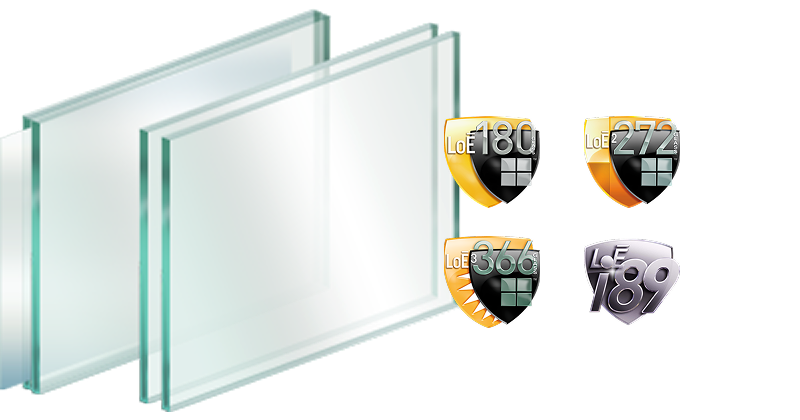
LoĒ-180
Surface 2
High solar heat gain for north and east elevations in cold climates

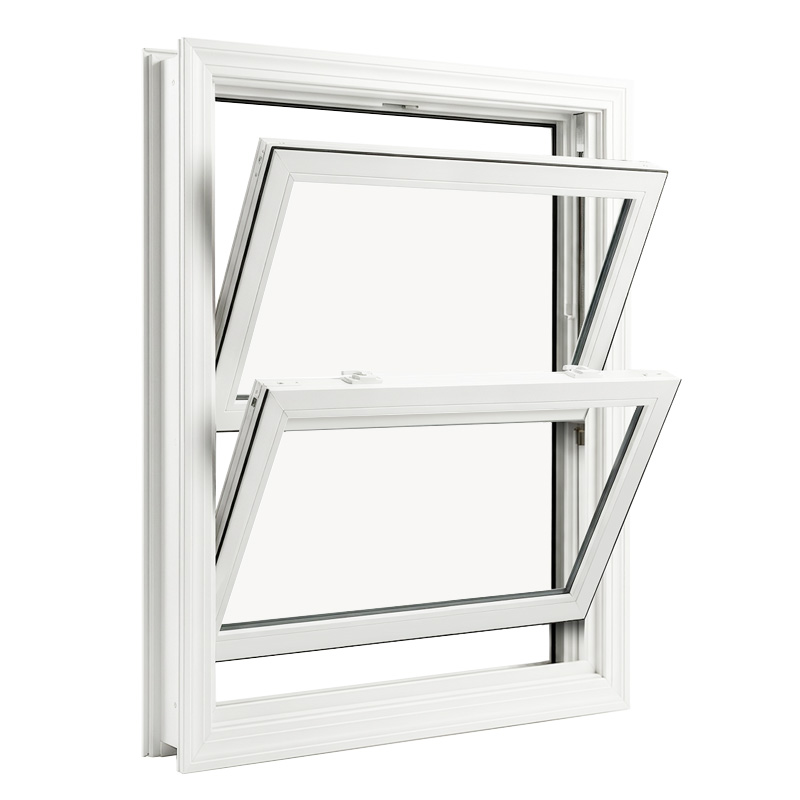
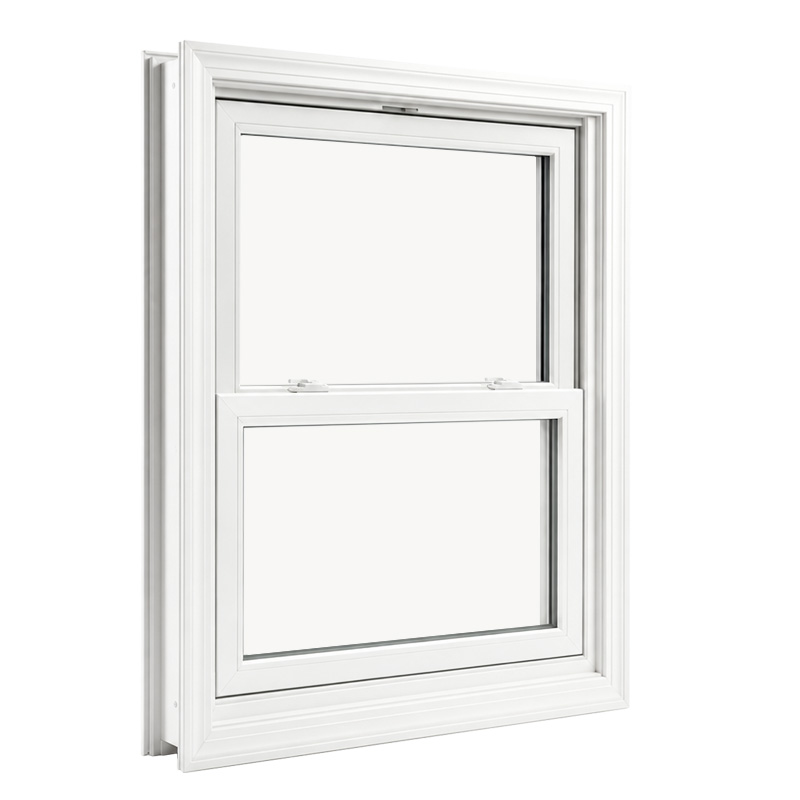
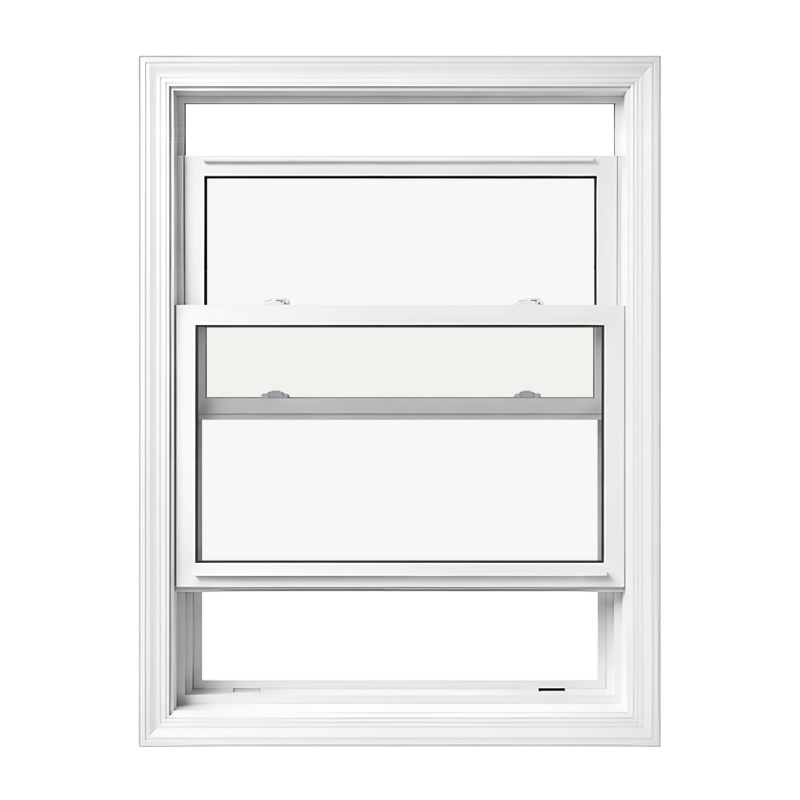
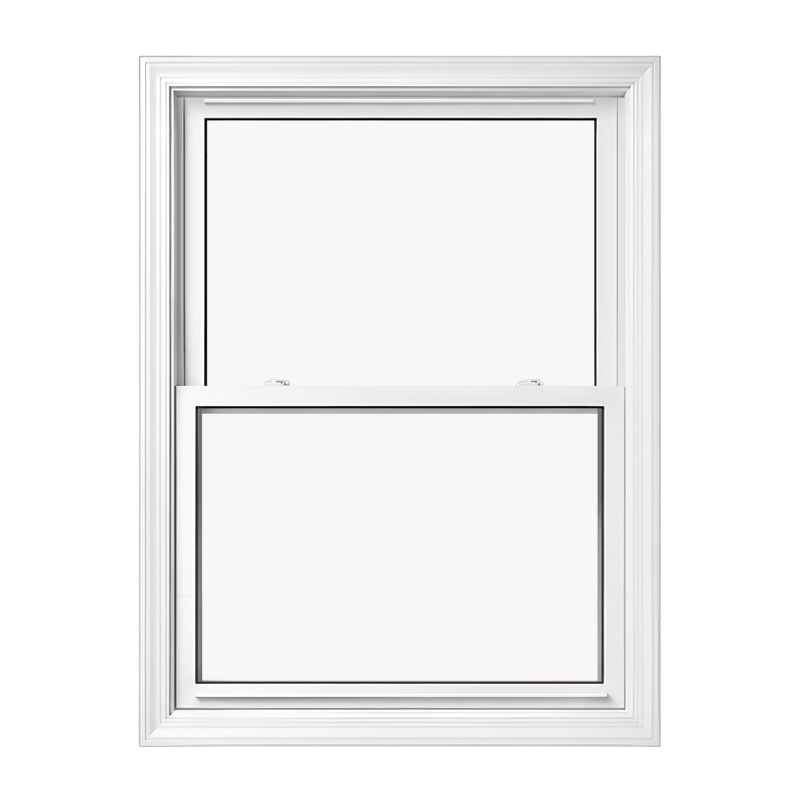
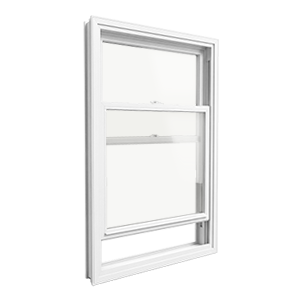
A double hung window has two independently sliding sashes that both move vertically within the frame. Either sash can be raised or lowered to control airflow, and both tilt inward for exterior glass cleaning without going outside. Window Force double hung windows are built on the Classic Series 3 1/4" platform in lead-free uPVC with fusion-welded corners, an integrated balance system in both sash channels, and interlocking meeting rails.
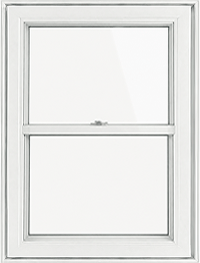
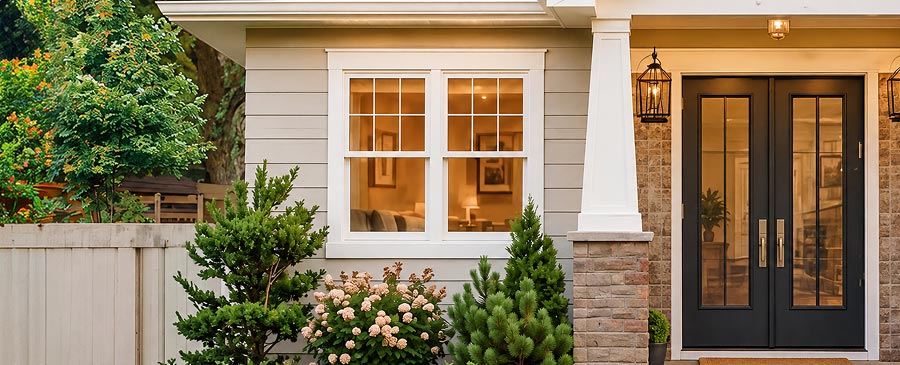
Both sashes in a double hung window operate on vertical slide channels, each supported by independent spring-loaded balance cartridges calibrated to sash weight. The bottom sash slides up and the top sash slides down; both can be open at the same time, which creates a stack effect — warm air exits from the top opening while cooler air enters from the bottom. Each sash pivots inward independently for cleaning. The cam lock at the meeting rail secures both sashes when closed.
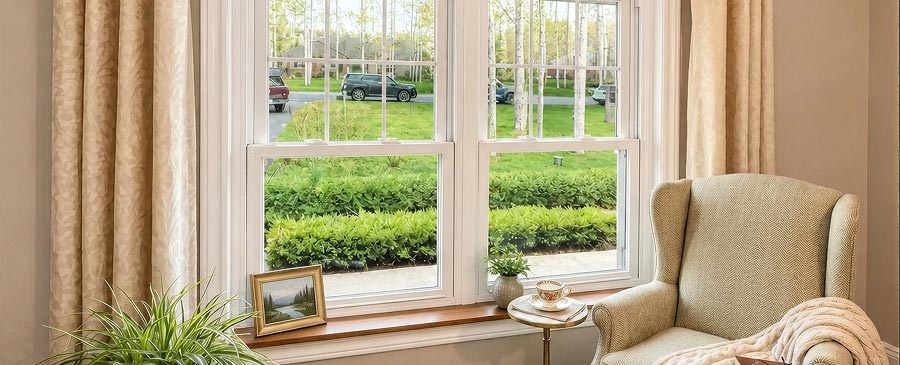
Double hung windows suit any application where flexible ventilation control matters. Opening the top sash alone allows warm interior air to rise and escape while keeping the lower portion closed — useful in rooms where a floor draft is unwanted, or where children or pets need a safer window. Both sashes open for maximum airflow. The traditional sash-and-rail profile makes double hung windows the standard choice in colonial, craftsman, and heritage-style homes, and their in-plane operation makes them appropriate for spaces beside walkways or patios where a casement would obstruct passage.


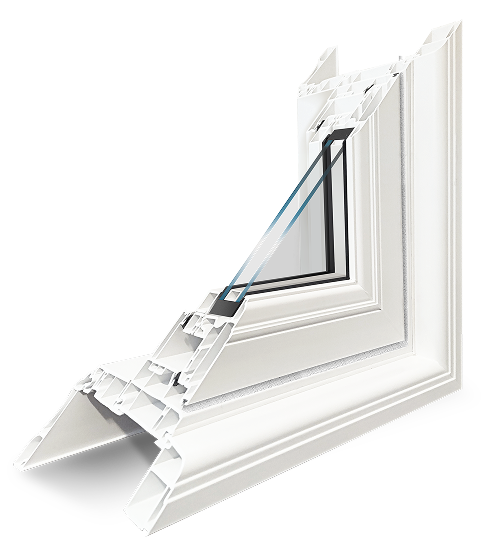
Dual sash-channel geometry in the frame allows both sashes to travel the full height of the opening independently
Welded corner construction including interior walls — no adhesives or sealants, fully airtight and watertight at all four corners
Integrated balance system in both upper and lower sash channels — each cartridge weight-calibrated to its respective sash
Interlocking meeting rails create a tight seal at the mid-point of the window when both sashes are closed
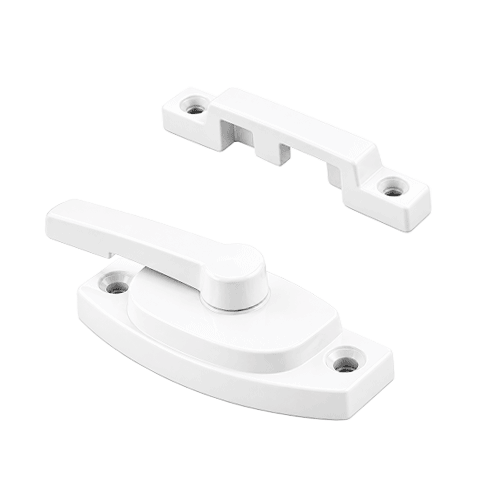
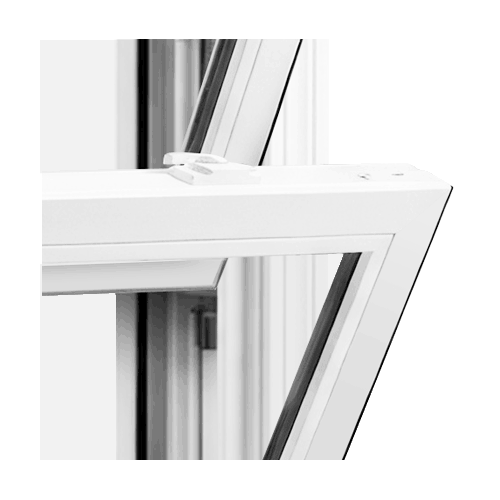
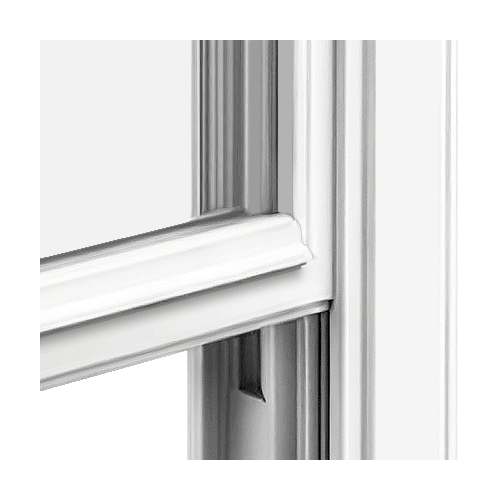
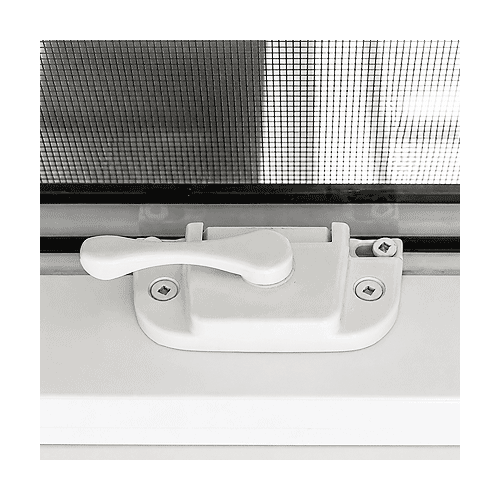
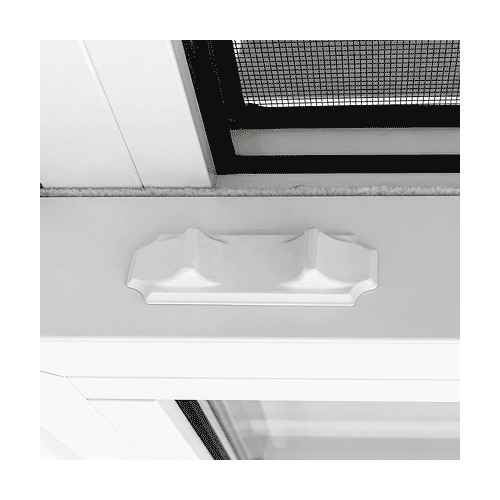
A cam lock at the meeting rail draws both sashes together and maintains consistent seal pressure at the most common air infiltration point in a double hung window. The cam engages with a simple rotation and provides positive tactile confirmation when the lock is set.
Both sashes on Window Force double hung windows pivot inward on independent tilt mechanisms. Either sash can be tilted without disturbing the other, allowing targeted cleaning access. The tilt mechanism disengages the balance cartridges temporarily and re-engages when the sash is returned to the vertical operating position.
Independent spring-loaded balance cartridges in the upper and lower sash channels counterbalance each sash. Both sashes can be held open at any height with minimal effort, and the cartridges are calibrated to sash weight at manufacture for smooth operation throughout the unit’s service life.

Surface 2
High solar heat gain for north and east elevations in cold climates

Surface 2
Solar control for south
and west elevations

Surface 2
Advanced solar control for high solar exposure

Surface 4
Interior heat reflection for U-factor reduction

Self-cleaning coating for exterior surface applications
Obscured and decorative glass textures available
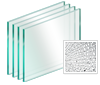
Tempered glass where required
by code or application
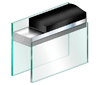
Technoform rigid thermoplastic or Super Spacer flexible foam
All Window Force window types support standardized customization options across Classic and Ultraslim Series, ensuring compatibility and clean integration across mixed window projects.
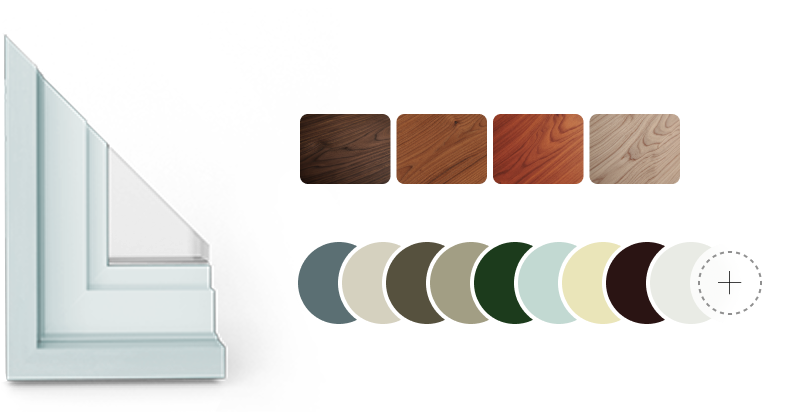
At Window Force, we offer a carefully curated palette of durable, fade-resistant colours designed to match any architectural style, from classic to contemporary.
We provide a wide range of advanced glass types tailored for modern window systems. From partially transparent decorative glass with artistic textures for enhanced privacy, to high-performance Low-E coatings that improve energy efficiency.
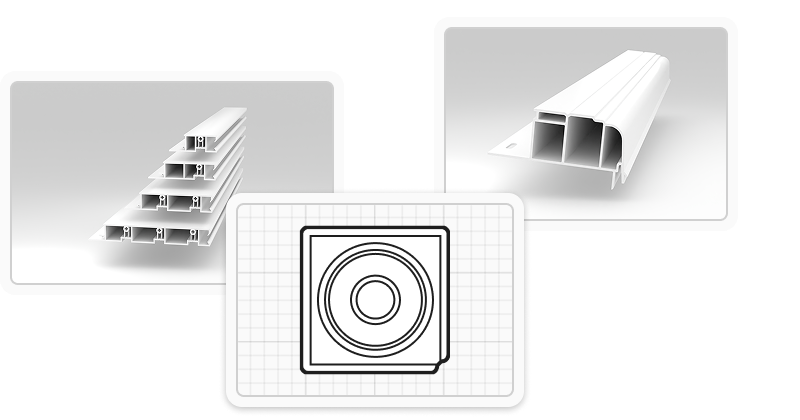
Jambs, casings, and brickmoulds come in a variety of sizes to suit different needs, and they're available in a full color palette to complement your design vision. These components provide versatile options for functional and aesthetic window finishing.
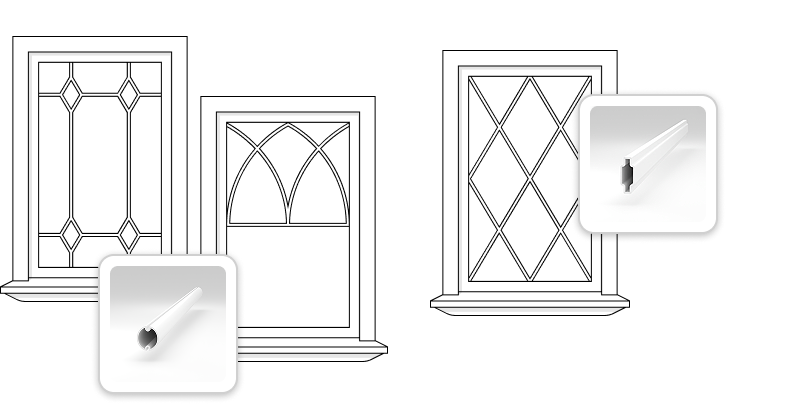
If you want to enhance your windows with decorative pane patterns, we offer a flexible range of interior grill shapes to choose from — from the most common layouts to fully custom designs made to fit your style.
Certified performance values are available for select double hung window configurations and are verified through NRCan and NAFS testing. The table below outlines tested and registered window configurations based on glazing package and ENERGY STAR® zone compliance.
| Model | DHT_IS_CLRCARD-ARG90-CARD180#3 | DHT_IS_CLRCARD-ARG90-CARD180#3-ARG90-CLRCARD |
|---|---|---|
| U-factor, W/(m²·K) | 1.71 | 1.66 |
| Solar Heat Gain (SHGC) | 0.52 | 0.47 |
| Energy Rating | 31 | 30 |
| ENERGY STAR Zones, 2015 | 1 | 2 | 1 | 2 |
| ENERGY STAR Zones, 2010 | ABC | ABC |
| Layers of Glazing | 2 | 3 |
| NRCan Reference | NR9161-12602012-ES | NR9161-12602016-ES |
| Energy Efficiency Verification Reference | W535-1 | W535-1 |
| U-factor, Btu/(h·ft²·°F) | 0.3 | 0.29 |
| Visible Transmittance | 0.59 | 0.54 |
| Air Leakage — Infiltration, l/(s·m²) | 0.44 | 0.44 |
| Air Leakage — Exfiltration, l/(s·m²) | 0.76 | 0.76 |
| Pane | Width, |
Height, |
Max Sq.Ft. |
|---|---|---|---|
| Double Glass | 15" — 46" | 28" — 58" | 21 sq.ft. |

Window Force provides warranty coverage on materials and manufacturing defects under normal use and service conditions. Claims are handled directly through Window Force. Inspection and resolution are coordinated by the factory. Repair or replacement is determined based on assessment.
Manufacturing defects in window components, sealed glass unit failure under normal conditions, hardware performance under standard use
Installation-related issues, damage during handling or after delivery, structural movement or excessive humidity, misuse or modification
Everything you need to know about the product and billing.
In a single hung window, only the bottom sash slides — the top is fixed. In a double hung, both sashes travel vertically and both tilt inward for cleaning. The practical differences are ventilation control (you can open the top, bottom, or both) and cleaning convenience (either sash can be reached and cleaned from inside). Double hung windows are generally more expensive than single hung because of the additional balance hardware and sash components.
Opening the top and bottom sash at the same time creates a stack-effect airflow: warm indoor air is less dense and tends to rise, so it exits through the upper opening while cooler outside air enters through the lower opening. This passive convection can move air through a room without a fan. The effect is most pronounced when the temperature difference between inside and outside is significant, which is common in spring and fall in most Canadian climates.
Yes. Both sashes on Window Force double hung windows tilt inward independently. The bottom sash tilts in for access to its exterior surface, and the top sash tilts in separately for access to its exterior surface. Neither requires outdoor access or a ladder, which makes double hung windows practical for upper floors and high-wall installations.
No. Double hung windows are double-pane only (3/4″ sealed unit) on both Classic and Ultraslim Series platforms. The balance system and sash geometry are designed around double-pane sash weight, and triple-pane is not supported in hung configurations. For triple-pane performance requirements, casement or awning windows are the appropriate choice.
The meeting rail is the horizontal bar where the bottom sash’s top edge meets the top sash’s bottom edge. On Window Force hung windows, these rails interlock — they engage each other at the overlap, and the cam lock draws them together to create a seal at the mid-point of the window. Without interlocking rails, the meeting rail junction is a gap that allows air and moisture infiltration even when the lock is set.
Yes. The vertical sash-and-rail layout of double hung windows is historically consistent with colonial, craftsman, Georgian, Victorian, and similar traditional home styles. The divided-lite appearance created by grilles can be customized to match existing windows in a home or match architectural drawings for a new build. Window Force offers a range of grill profiles including colonial, prairie, and heritage patterns.
Double hung windows are manufactured at our 80,000 sq ft facility in Vaughan, Ontario, and supplied to dealers and projects nationally, including markets in Halifax, Moncton, Montréal, Québec City, Winnipeg, Regina, Saskatoon, Red Deer, Kelowna, and Victoria.
Window Force manufactures windows for builders, dealers, and contractors, and also accepts direct orders from homeowners. Because we manufacture rather than install, we can connect you with a qualified installation team in your area so the windows are fitted and sealed correctly.