

What Is the Difference Between Single Hung and Double Hung Windows?
For homeowners exploring window replacement options, understanding the difference between single hung and double hung windows is a great starting point. While these two styles may look similar at first glance, they operate differently and suit distinct architectural and functional needs. Knowing how each type works helps determine which design best fits your home’s ventilation, maintenance, and energy goals.
How Single Hung Windows Operate
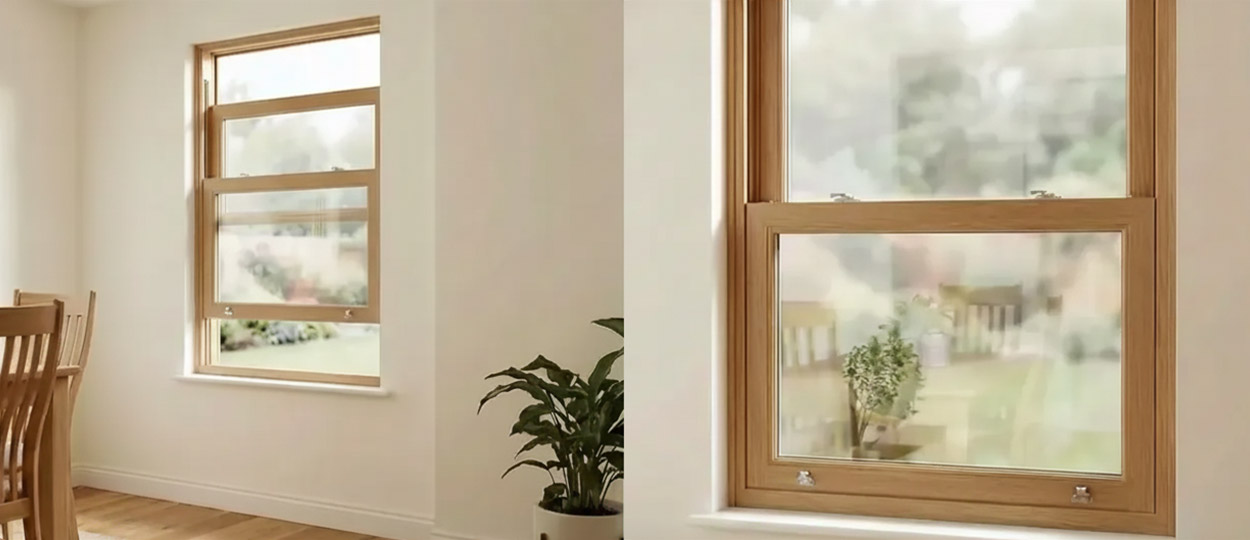
A single hung window has two sashes (the moveable panels that hold the glass), but only the bottom sash moves. The top sash remains fixed in place. To open the window, you slide the bottom sash upward, allowing air to enter while keeping the upper portion stationary.
This design has been used for centuries and remains popular for its simplicity and energy efficiency. Because only one sash operates, there are fewer moving parts, which reduces maintenance and potential air leakage points. Single hung windows also tend to be more affordable, making them a practical choice for homeowners on a budget or for multi-window installations.
How Double Hung Windows Operate
A double hung window allows both the upper and lower sashes to move. Each sash can slide vertically within the frame, and many models tilt inward for easy cleaning from inside the home. This feature makes them especially convenient for upper floors or hard-to-reach areas.
Double hung designs offer greater ventilation control — you can open the top sash to release warm air while raising the bottom sash to let in cool air. This dual-action ventilation can help balance indoor temperatures naturally during transitional seasons.
Key Design Distinctions
Although they share a similar appearance, single hung and double hung windows differ in functionality, maintenance, and cost. The table below summarizes the main differences:
| Feature | Single Hung Window | Double Hung Window |
| Operation | Only bottom sash moves; top is fixed. | Both upper and lower sashes operate. |
| Ventilation | Moderate; limited to lower half. | Excellent; airflow from both top and bottom. |
| Ease of Cleaning | Exterior of top sash requires outdoor access. | Both sashes tilt inward for easy cleaning. |
| Energy Efficiency | Slightly higher due to fewer moving parts. | May have higher air leakage potential. |
| Cost | $400—$650 per unit (on average). | $600—$900 per unit (on average). |
| Maintenance | Minimal; fewer mechanical components. | Slightly more due to dual operation. |
| Aesthetic Versatility | Traditional design; suits classic homes. | Works well in modern or traditional styles. |
Research Insight
According to Energy Star Canada (source), both single and double hung windows can qualify for certification if properly sealed and manufactured. However, single hung designs tend to maintain tighter air seals over time due to having fewer movable parts, which makes them slightly more efficient in reducing heat loss.
Choosing the Right Type for Your Home
Your choice between single and double hung windows should reflect both your lifestyle and your home’s structure:
- Single hung windows are ideal for ground-level rooms where exterior cleaning is easy and where you want maximum efficiency at a lower cost.
- Double hung windows are best for multi-story homes, where the tilt-in design simplifies cleaning and offers better ventilation control.
In summary, both designs are durable, attractive, and energy-conscious when installed correctly. The decision often comes down to maintenance convenience versus budget efficiency. For many Toronto homeowners, working with a certified installer such as Window Force Inc. ensures that whichever style they choose performs optimally for years to come.

Which Is More Energy Efficient: Single or Double Hung Windows?
When comparing single and double hung windows, energy efficiency depends largely on design, materials, and installation quality. While both types can be ENERGY STAR certified, there are distinct performance differences that impact how well each retains heat, prevents air leakage, and contributes to overall home comfort.
Air Leakage and Insulation
Single hung windows have fewer moving parts — only one operable sash — resulting in a tighter seal and reduced air infiltration. This design naturally limits the number of potential leak points around the sashes and frame. In contrast, double hung windows include two operable sashes, which slightly increases the potential for air leakage if seals or balances wear out over time.
According to Natural Resources Canada (NRCan) (source), windows that maintain lower air leakage rates (measured in L/s·m²) significantly reduce heating and cooling costs. On average, single hung windows perform 5 — 10% better in airtightness tests compared to double hung units of similar quality.
Sealing Technology and Energy Performance Ratings
Both window types can achieve high efficiency ratings when constructed with advanced sealing and insulation technologies. The most important metrics to compare are the U-factor and Solar Heat Gain Coefficient (SHGC).
| Performance Metric | Single Hung Window | Double Hung Window | Energy Efficiency Impact |
| U-Factor (W/m²·K) | 1.2 — 1.6 | 1.3 — 1.8 | Lower U-factor means better insulation. |
| SHGC | 0.25 — 0.45 | 0.27 — 0.50 | Determines how much solar heat passes through. |
| Air Leakage | ≤ 1.5 L/s·m² | ≤ 2.0 L/s·m² | Lower air leakage equals higher efficiency. |
In colder climates like Toronto, a lower U-factor and airtight seal are critical for preventing heat loss. Single hung windows typically achieve these ratings more easily, especially when paired with Low-E coatings and argon gas fills.
Frame Materials and Efficiency
Frame materials play a major role in performance. Vinyl and fiberglass frames provide superior insulation compared to aluminum or older wood models. When combined with multi-chamber designs and welded corners, these frames minimize thermal bridging and maintain tight seals over time.
ENERGY STAR Certification
Both single and double hung windows can qualify for ENERGY STAR certification if they meet Canada’s strict energy performance standards. Certification ensures that products have been independently tested for U-factor, SHGC, and air leakage. Homeowners should always verify certification labels before purchase to guarantee energy savings and potential eligibility for government rebates.
While both single and double hung windows can deliver energy efficiency when properly installed, single hung windows have a slight advantage in airtightness and insulation due to their simpler design. However, premium double hung models built with advanced seals and multi-chamber vinyl frames can close the gap significantly. The key is selecting high-quality, ENERGY STAR-certified products and ensuring professional installation to achieve peak performance.
Windows Near Me
How Does a Single Hung Window Compare to a Casement Window?
Although single hung and casement windows both provide excellent functionality and visual appeal, they differ significantly in how they operate, perform, and suit different home styles. Understanding these differences helps homeowners choose the best option for ventilation, maintenance, and overall energy performance.
Operating Mechanism
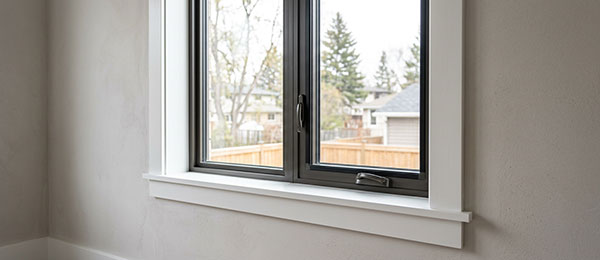
A single hung window opens vertically by sliding the lower sash upward, while the upper sash remains fixed. In contrast, a casement window opens outward on side hinges, similar to a door, using a crank handle. This allows the entire sash of a casement window to open, providing maximum airflow and an unobstructed view.
The difference in movement also affects how each window performs under various weather conditions. Casement windows seal tightly when closed because wind pressure presses the sash against the frame, while single hung windows rely on weatherstripping between the sashes.
Ventilation and Airflow
Casement windows offer superior ventilation because they can open fully, directing breezes into the room. The angled opening can capture and funnel airflow more effectively than vertically sliding sashes. Single hung windows provide moderate ventilation, limited to the lower half of the frame.
| Feature | Single Hung Window | Casement Window |
| Opening Direction | Vertical (bottom sash only) | Outward (side-hinged) |
| Ventilation Level | Moderate | Excellent (captures side breezes) |
| Air Seal Tightness | Good | Excellent — compression seal blocks air leaks |
| Ease of Cleaning | Requires exterior access for top sash | Opens fully for easy cleaning from indoors |
| Operation Mechanism | Sliding track | Crank handle |
| Maintenance Needs | Low — few moving parts | Moderate — hinges and crank require lubrication |
| Typical Cost Range (Installed) | $400—$650 | $600—$1,000 |
Maintenance and Cleaning
Single hung windows are simpler to maintain because they have fewer mechanical parts. However, cleaning the exterior of the upper sash can be inconvenient, especially on upper floors. Casement windows, on the other hand, can be cleaned entirely from indoors due to their outward-opening design.
Regular maintenance for casement windows includes lubricating hinges and ensuring the crank mechanism operates smoothly. With proper care, both styles can last 25 — 30 years or more.
Energy Efficiency and Performance
Casement windows generally outperform single hung models in energy efficiency due to their compression-sealed design. When closed, the sash presses firmly against the frame, minimizing air leakage. Single hung windows rely on sliding seals, which can degrade over time. For this reason, casement windows are often recommended for colder climates like Toronto, where minimizing heat loss is critical.
Both styles can achieve ENERGY STAR certification, but casement windows typically feature lower U-factors and reduced air leakage values, making them ideal for homes focused on long-term energy savings.
Security and Durability
Casement windows often provide better security because their locking mechanism is embedded within the frame and cannot be easily accessed from the outside. Single hung windows usually have surface-mounted locks on the sash, which can be more vulnerable to tampering.
Ideal Home Applications
- Single hung windows suit traditional or colonial-style homes and are commonly installed in bedrooms, bathrooms, or areas where space is limited.
- Casement windows complement modern, contemporary, or energy-efficient home designs and are often used in living rooms or kitchens where ventilation and natural light are priorities.
While single hung windows offer affordability and simplicity, casement windows deliver superior performance in energy efficiency, ventilation, and security. For homeowners seeking modern functionality and better insulation, casement windows are often the preferred choice. However, single hung designs remain an excellent option for those prioritizing cost efficiency and low maintenance, especially in ground-level or easily accessible spaces.
What Are the Pros and Cons of Single Hung vs Sliding Windows?
Single hung and sliding windows are two of the most popular styles in residential construction, each offering distinct advantages in terms of cost, operation, and maintenance. Understanding how they differ helps homeowners make the right choice for both functionality and long-term value.
Design and Operation
A single hung window operates vertically, with one movable lower sash that slides upward to open. The top sash remains stationary. In contrast, a sliding window (also called a glider or slider) opens horizontally along a track. One or both sashes can move side-to-side, depending on the model.
The horizontal motion of sliding windows makes them particularly well-suited for wide wall openings, while single hung designs are ideal for taller, narrower spaces.
| Feature | Single Hung Window | Sliding Window |
| Opening Direction | Vertical (bottom sash only) | Horizontal (one or both sashes slide) |
| Ease of Use | Simple; ideal for smaller openings | Very easy; smooth gliding motion |
| Ventilation | Moderate (lower half only) | Good; large open area improves airflow |
| Energy Efficiency | High; tighter seal with fewer moving parts | Moderate; sliding tracks can allow minor air leakage |
| Maintenance | Low; minimal moving components | Low to moderate; track cleaning required |
| Ease of Cleaning | Requires outdoor access for upper sash | Easy; sashes lift out or tilt for cleaning |
| Cost Range (Installed) | $400—$650 | $500—$800 |
| Best Use Case | Traditional or vertical wall openings | Contemporary homes, basements, wide windows |
Advantages of Single Hung Windows
- Better Energy Efficiency: Fewer operable parts mean tighter seals and reduced air leakage.
- Lower Cost: Single hung windows are typically more affordable both in materials and installation.
- Classic Appearance: Their traditional design complements colonial, farmhouse, or classic architectural styles.
- Durability: With fewer mechanical components, there’s less wear over time.

Advantages of Sliding Windows
- Ease of Operation: Sliding windows open effortlessly with minimal effort — ideal for homeowners who prefer smooth, horizontal movement.
- Improved Ventilation: Because the entire sash can move, sliders allow for wider openings and better cross-breezes.
- Modern Aesthetics: Clean lines and wide glass areas make them perfect for contemporary homes.
- Low Maintenance: Most models have removable sashes for quick cleaning and easy access.
Drawbacks of Each Style
While both window types have advantages, each comes with some trade-offs:
Single Hung Windows:
- Limited ventilation — only half of the window opens.
- Cleaning the upper sash requires outdoor access.
- Less natural light compared to wider sliding windows.
Sliding Windows:
- May lose some energy efficiency due to potential gaps along tracks.
- Require occasional track cleaning to prevent dirt buildup.
- Slightly higher installation cost for premium gliding mechanisms.
Real Homeowner Insights
Forum discussions on HomeStars Canada and Houzz highlight that homeowners often choose single hung windows for bedrooms and bathrooms where insulation and privacy are priorities. Sliding windows are preferred in living rooms, kitchens, and basements, where natural light and wider airflow matter more.
- Choose single hung windows if you value cost-efficiency, traditional design, and energy savings.
- Choose sliding windows if you want modern style, easy operation, and enhanced ventilation.
Both designs offer reliable performance when installed correctly, but the best choice depends on your home’s layout and comfort priorities. For a balanced approach, many Toronto homeowners mix both types — installing single hung windows in upper levels and sliding windows on the ground floor for maximum convenience and efficiency.
What Are the Pros and Cons of Single Hung vs Sliding Windows?
Single hung and sliding windows are two of the most popular styles in residential construction, each offering distinct advantages in terms of cost, operation, and maintenance. Understanding how they differ helps homeowners make the right choice for both functionality and long-term value.
Design and Operation
A single hung window operates vertically, with one movable lower sash that slides upward to open. The top sash remains stationary. In contrast, a sliding window (also called a glider or slider) opens horizontally along a track. One or both sashes can move side-to-side, depending on the model.
The horizontal motion of sliding windows makes them particularly well-suited for wide wall openings, while single hung designs are ideal for taller, narrower spaces.
| Feature | Single Hung Window | Sliding Window |
| Opening Direction | Vertical (bottom sash only) | Horizontal (one or both sashes slide) |
| Ease of Use | Simple; ideal for smaller openings | Very easy; smooth gliding motion |
| Ventilation | Moderate (lower half only) | Good; large open area improves airflow |
| Energy Efficiency | High; tighter seal with fewer moving parts | Moderate; sliding tracks can allow minor air leakage |
| Maintenance | Low; minimal moving components | Low to moderate; track cleaning required |
| Ease of Cleaning | Requires outdoor access for upper sash | Easy; sashes lift out or tilt for cleaning |
| Cost Range (Installed) | $400—$650 | $500—$800 |
| Best Use Case | Traditional or vertical wall openings | Contemporary homes, basements, wide windows |
Advantages of Single Hung Windows
- Better Energy Efficiency: Fewer operable parts mean tighter seals and reduced air leakage.
- Lower Cost: Single hung windows are typically more affordable both in materials and installation.
- Classic Appearance: Their traditional design complements colonial, farmhouse, or classic architectural styles.
- Durability: With fewer mechanical components, there’s less wear over time.
Advantages of Sliding Windows
- Ease of Operation: Sliding windows open effortlessly with minimal effort — ideal for homeowners who prefer smooth, horizontal movement.
- Improved Ventilation: Because the entire sash can move, sliders allow for wider openings and better cross-breezes.
- Modern Aesthetics: Clean lines and wide glass areas make them perfect for contemporary homes.
- Low Maintenance: Most models have removable sashes for quick cleaning and easy access.
Drawbacks of Each Style
While both window types have advantages, each comes with some trade-offs:
Single Hung Windows:
- Limited ventilation — only half of the window opens.
- Cleaning the upper sash requires outdoor access.
- Less natural light compared to wider sliding windows.
Sliding Windows:
- May lose some energy efficiency due to potential gaps along tracks.
- Require occasional track cleaning to prevent dirt buildup.
- Slightly higher installation cost for premium gliding mechanisms.
Real Homeowner Insights
Forum discussions on HomeStars Canada and Houzz highlight that homeowners often choose single hung windows for bedrooms and bathrooms where insulation and privacy are priorities. Sliding windows are preferred in living rooms, kitchens, and basements, where natural light and wider airflow matter more.
- Choose single hung windows if you value cost-efficiency, traditional design, and energy savings.
- Choose sliding windows if you want modern style, easy operation, and enhanced ventilation.
Both designs offer reliable performance when installed correctly, but the best choice depends on your home’s layout and comfort priorities. For a balanced approach, many Toronto homeowners mix both types — installing single hung windows in upper levels and sliding windows on the ground floor for maximum convenience and efficiency.
How Much Do Single and Double Hung Windows Cost in Toronto?
When planning a window replacement project in Toronto, understanding the cost of single and double hung windows helps set realistic expectations. Prices depend on several factors, including materials, size, glass technology, and installation complexity. Here’s what Toronto homeowners can expect to invest in these two popular styles.
Average Cost Breakdown
On average, single hung windows cost between $400 and $650 per unit, while double hung windows range from $600 to $900 per unit (including professional installation). The difference in price reflects the added functionality of double hung models, which have two operable sashes and more hardware.
| Window Type | Average Installed Cost (Per Unit) | Frame Material Options | Typical Lifespan | Energy Efficiency Level |
| Single Hung | $400—$650 | Vinyl, Aluminum, Fiberglass | 25 — 30 years | ★★★★☆ |
| Double Hung | $600—$900 | Vinyl, Aluminum-Clad Wood, Fiberglass | 25 — 35 years | ★★★★☆ |
Factors That Influence Pricing
Several key factors determine the total cost of single or double hung window installations:
- Frame Material:
- Vinyl offers the best balance of affordability and insulation.
- Fiberglass is more expensive but provides top durability and energy efficiency.
- Aluminum-clad wood is a premium choice, offering a classic interior appearance with weather-resistant exteriors.
Energy-efficient features such as Low-E coatings, argon gas fills, and double or triple glazing improve performance but can raise the initial price by 10 — 20%.
Older homes or non-standard wall openings may require additional framing, insulation, or trim work, increasing labor costs.
Larger or non-standard window sizes cost more, especially when custom colors or decorative grilles are added.
In the Greater Toronto Area, labor costs are slightly above the national average, reflecting higher demand and urban logistics.
Long-Term Energy Savings
Despite the upfront expense, both single and double hung windows deliver measurable energy savings. According to Natural Resources Canada (source), replacing older single-pane or aluminum-framed windows can reduce annual heating and cooling bills by 15 — 25%, depending on window quality and home insulation.
Over time, energy-efficient vinyl or fiberglass hung windows typically pay for themselves within 5 — 8 years through reduced energy consumption and improved comfort.
Example Cost Scenario for Toronto Homeowners
For a standard Toronto home replacing 10 windows:
| Type | Average Cost per Window | Total Project Cost | Estimated Annual Energy Savings | Estimated ROI (10 Years) |
| Single Hung (Vinyl) | $550 | $5,500 | $400—$500 | 70 — 75% |
| Double Hung (Vinyl) | $750 | $7,500 | $350—$450 | 65 — 70% |
Local Market Considerations
Toronto’s mix of modern and heritage homes influences material and style preferences. Many older properties require full frame replacements to address aging frames, while newer homes may only need insert replacements. Working with a certified local installer like Window Force Inc. ensures accurate measurements, proper sealing, and compliance with CSA and ENERGY STAR standards.
Summary
- Single hung windows remain the most budget-friendly option, offering strong efficiency at a lower price.
- Double hung windows provide added functionality and ease of cleaning, justifying the slightly higher investment.
- For Toronto homeowners, upgrading to either ENERGY STAR-certified model ensures long-term savings, improved comfort, and an excellent return on investment.
Conclusion: Which Window Style Should You Choose?
After comparing single hung, double hung, sliding, and casement windows, it’s clear that each type offers distinct benefits depending on your home’s layout, aesthetic preferences, and performance goals. The ideal choice depends on striking a balance between functionality, efficiency, and budget.
Recap of Key Differences
| Window Type | Main Advantages | Ideal For | Average Cost (Installed) | Energy Efficiency Rating |
| Single Hung | Affordable, low maintenance, tight air seal | Traditional homes, budget-conscious buyers | $400—$650 | ★★★★☆ |
| Double Hung | Flexible ventilation, tilt-in cleaning | Multi-story or heritage homes | $600—$900 | ★★★★☆ |
| Sliding | Wide openings, modern look, easy use | Contemporary or basement installations | $500—$800 | ★★★☆☆ |
| Casement | Best seal, maximum airflow, stylish | Modern homes, energy-focused designs | $600—$1,000 | ★★★★★ |
Choosing the Best Window for Your Priorities
- For Energy Efficiency: Casement and single hung windows perform best in terms of airtightness and insulation.
- For Ventilation: Double hung and sliding windows offer superior airflow and flexibility.
- For Maintenance Ease: Sliding and double hung designs simplify cleaning, especially for upper levels.
- For Aesthetic Design: Casement windows provide a sleek, contemporary finish, while single hung models preserve a classic appearance.
Expert Recommendation
Based on performance testing and market trends, ENERGY STAR-certified vinyl or fiberglass frames offer the best long-term value for Toronto homeowners. They combine high insulation performance with durability and minimal maintenance. While single hung windows lead in affordability, double hung and casement windows offer better flexibility and ventilation control — ideal for families looking to balance comfort and cost.
Final Thoughts
Selecting the right window style depends on your home’s architecture, energy goals, and budget expectations. For lasting results, invest in high-quality materials, professional installation, and certified energy-efficient designs.
Homeowners who work with Window Force Inc. benefit from expert consultations, precision installation, and tailored design recommendations. Whether your priority is efficiency, aesthetics, or value, choosing the right hung or casement window ensures your home stays beautiful, comfortable, and efficient for decades to come.
Frequently Asked Questions
Are double hung windows harder to clean than single hung ones?
Not necessarily. Double hung windows are actually easier to clean because both the upper and lower sashes tilt inward, allowing you to clean the glass from inside your home. Single hung windows only have one movable sash, so you’ll need exterior access to clean the upper pane, especially on higher floors.
Do single hung windows provide less ventilation than casement windows?
Yes, single hung windows provide less ventilation because only the bottom sash opens, allowing air to enter from one section. Casement windows, by contrast, can open fully outward, capturing side breezes and directing them inside. This makes casement windows more effective for natural airflow and cross-ventilation in living spaces.
Which type of window slides easier for older homes?
For older homes, sliding windows generally operate more smoothly because they move horizontally on rollers, requiring less effort than lifting a sash vertically. Single hung windows may become more difficult to operate over time if balance springs or tracks wear out. Sliding models offer simple operation and are well-suited for wide openings and basements.
People Also Ask