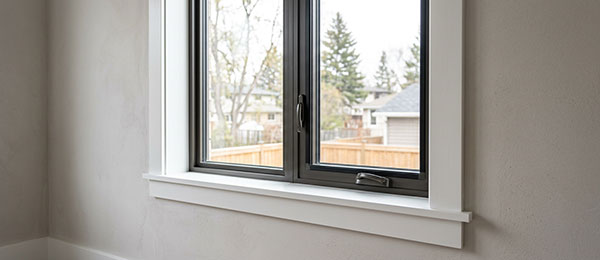
Upgrading windows is one of the most effective ways to improve a home’s energy efficiency, comfort, and noise control. When homeowners begin comparing double-pane vs. triple-pane windows, the differences in insulation, cost, and performance can quickly become confusing. Understanding how these window systems work — and which one suits your climate and budget — can help you choose the best long-term solution for your home.
Key Takeaways
- Window panes are the sheets of glass that make up a window. Modern windows usually contain two or three panes sealed together to improve insulation.
- Double-pane windows use two glass panes separated by a sealed air- or gas-filled space, which significantly improves thermal efficiency compared to single-pane windows.
- Triple pane windows add a third layer of glass and another insulating chamber, offering higher insulation performance and better sound reduction.
- Double-pane windows are widely used in most residential homes, while triple-pane windows are typically chosen for colder climates or high-performance homes.
- The best choice depends on climate, budget, noise conditions, and energy efficiency goals.
- Both window types can significantly improve energy efficiency when manufactured with Low-E coatings, argon or krypton gas, and high-quality spacers.
What Are Pane Windows and How Do They Work?
Modern homes rarely use single sheets of glass anymore. Instead, most residential windows are built with multiple panes sealed together to form an insulated glass unit (IGU). This design dramatically improves energy performance and indoor comfort.
What a Window Pane Is
A window pane refers to a single sheet of glass used in a window assembly. Historically, homes had single-pane windows, meaning only one layer of glass separated the indoor and outdoor environments.
However, single-pane glass transfers heat very easily. This means:
- Heat escapes quickly in winter
- Outdoor heat enters easily in summer
- Condensation forms more frequently
- Sound insulation is minimal
Because of these limitations, modern window manufacturing has shifted toward multi-pane systems that significantly reduce heat transfer.
Today, most energy-efficient windows use sealed insulated glass units containing two or three panes separated by spacers and sealed at the edges. These systems create insulating airspaces that slow down heat movement through the glass.
How Gas-Filled Panes Improve Insulation
Between the glass panes of an IGU is a sealed cavity. Instead of simply leaving this cavity filled with air, manufacturers often fill it with inert gases such as argon or krypton.
These gases improve insulation because they:
- Conducts less heat than normal air
- Reduce convective heat movement within the glass unit
- Improve overall thermal resistance
The cavity itself also plays an important role. Spacers maintain the correct distance between panes — typically around 12–16 mm, which provides the best thermal performance.
Modern IGUs also include Low-E (low emissivity) coatings, which are microscopic metal layers applied to the glass surface. These coatings reflect infrared heat back into the home while allowing visible light to pass through.
Together, these technologies create a window system designed to reduce heat loss while maintaining natural daylight.
Why Modern Windows Use Multiple Panes
Multiple panes improve insulation by creating barriers to heat transfer. Heat moves through windows in three main ways:
- Conduction through the glass
- Convection in the air or gas space between panes
- Radiation from warm surfaces to colder ones
Multi-pane windows reduce all three types of heat movement.
For example:
- Additional panes increase the distance heat must travel
- Gas-filled chambers slow down conduction
- Low-E coatings reduce radiant heat transfer
This combination results in windows with significantly better U-values, which measure how well a window prevents heat loss.
As window technology continues to improve, multi-pane windows have become the standard solution for modern residential construction and renovation projects.
What Are Double Pane Windows and Why Are They Widely Used in Homes?
Double-pane windows are currently the most common type of energy-efficient window used in residential buildings. Their balance of performance, affordability, and durability makes them a practical choice for many homes.
Structure of Double Pane Windows
A double-pane window contains two sheets of glass separated by a sealed insulating chamber.
The basic structure includes:
- Two panes of glass
- A spacer between the panes
- A sealed perimeter to prevent gas leakage
- An insulating gas fill (commonly argon)
- Optional Low-E coatings
This configuration forms a single insulated glass unit (IGU) designed to limit heat transfer.
The spacer system is an important component because it maintains the correct gap between panes while preventing moisture infiltration. Modern spacer materials often include warm-edge technology, which reduces heat loss around the perimeter of the glass.
Benefits for Everyday Homes
Double-pane windows are widely used because they offer a strong combination of comfort, efficiency, and cost-effectiveness.
Key advantages include:
- Improved energy efficiency compared with single-pane windows
- Reduced condensation on interior glass surfaces
- Better indoor temperature stability
- Lower heating and cooling costs
- Moderate sound insulation
For many homeowners, these windows provide sufficient insulation to meet modern building codes and energy-efficiency standards.
Another reason for their popularity is cost balance. Double-pane windows generally cost less than triple-pane systems while still delivering strong energy performance for most climates.
Seasoned window engineer Sergey Essipov, who has over 20 years of experience in window manufacturing, explains:
“Double-pane insulated glass units represent a highly balanced design. With proper gas filling, Low-E coatings, and high-quality spacers, they can deliver excellent thermal performance for most residential buildings.”
This balance is one reason double-pane windows remain the standard choice in many homes.
Double Pane Window Performance Overview
| Feature | Typical Performance |
| Glass layers | 2 |
| Insulating cavities | 1 |
| Common gas fill | Argon |
| Typical U-value | 0.25 – 0.30 |
| Sound reduction | Moderate |
| Typical residential use | Standard homes and renovations |
Although double-pane windows provide significant improvements over older window types, some homeowners — especially in colder regions — may consider upgrading to triple-pane windows for even greater efficiency.
What Are Triple Pane Windows?
Triple-pane windows represent the next level of insulated window technology. By adding an extra pane of glass and another insulating chamber, these windows significantly increase thermal resistance.
They are particularly common in high-performance buildings and cold climates, where energy efficiency plays a critical role in comfort and heating costs.
Triple-Pane Construction
A triple-pane window contains three sheets of glass separated by two insulating cavities.
The design typically includes:
- Three panes of glass
- Two sealed insulating chambers
- Argon or krypton gas filling
- Multiple Low-E coatings
- High-performance spacer systems
Each additional layer reduces the rate at which heat passes through the window.
The second insulating chamber is especially important because it further limits heat transfer and reduces the likelihood that the interior glass will become cold in winter.
This design often results in lower U-values than double-pane windows, meaning better insulation.
Additional Gas Layers and Spacers
Triple-pane windows usually contain two gas-filled chambers. Manufacturers may use:
- Argon gas, the most common and cost-effective option
- Krypton gas, which performs better in narrower cavities but is more expensive
Spacers separate the glass layers and maintain consistent cavity widths. High-performance spacer systems also reduce heat loss around the window edges, which is an area where older window designs often lose efficiency.
Another advantage of triple-pane construction is improved acoustic insulation. The additional glass layer and airspace help dampen sound vibrations, which can be beneficial in urban environments or near busy roads.
Triple Pane Window Performance Overview
| Feature | Typical Performance |
| Glass layers | 3 |
| Insulating cavities | 2 |
| Common gas fills | Argon or Krypton |
| Typical U-value | 0.14 – 0.20 |
| Sound reduction | High |
| Typical residential use | Cold climates, energy-efficient homes |
Pros and Cons of Triple Pane Windows
Advantages
- Higher thermal insulation
- Reduced heat loss in winter
- Improved soundproofing
- More consistent indoor temperatures
- Reduced condensation risk
Potential limitations
- Higher initial cost
- Heavier window units require stronger frames
- Slightly lower solar heat gain in some configurations
For homeowners evaluating window upgrades, the choice between double- and triple-pane windows typically comes down to climate, energy-efficiency goals, and budget.
Both options can be highly effective when manufactured with modern insulated glass technology.
What Is the Difference Between Double vs Triple Pane Windows?

When comparing modern residential windows, the most noticeable difference between double- and triple-pane models is the number of glass layers and the number of insulating chambers. These design differences directly influence insulation performance, noise reduction, and overall window efficiency.
Basic Structural Differences
A double-pane window contains:
- Two sheets of glass
- One sealed insulating chamber
- Argon gas or air between the panes
- Optional Low-E coatings
A triple pane window contains:
- Three sheets of glass
- Two sealed insulating chambers
- Argon or krypton gas fills
- Multiple Low-E coatings
Each additional pane increases the resistance to heat transfer. This is why triple-pane windows generally achieve better insulation values.
The extra pane also increases the total thickness of the glass unit, which can improve acoustic performance and reduce outside noise entering the home.
Insulation and Thermal Performance
The ability of a window to prevent heat transfer is typically measured using the U-factor. The lower the U-factor, the better the window insulates.
According to Natural Resources Canada, high-performance double-glazed windows can achieve U-factors around 1.2–1.7 W/m²·K, while triple-glazed windows can reach values as low as 0.8 W/m²·K, significantly reducing heat loss in cold climates.
This improvement means triple-pane windows can reduce heat loss through the glass, which is particularly beneficial during cold Canadian winters.
Seasoned window manufacturing engineer Sergey Essipov, who has more than two decades of experience designing insulated glass units, explains:
“The main advantage of triple pane glazing is the second insulating chamber. It significantly slows down heat transfer and improves comfort near the window surface during cold weather.”
Sound Reduction and Comfort
Another noticeable difference between the two window types is sound insulation.
Because triple-pane windows have more mass and additional airspace, they often provide stronger sound dampening. This can be valuable for homes located near:
- Busy roads
- Airports
- Urban environments
- High-traffic neighbourhoods
However, it is important to note that sound reduction also depends on variations in glass thickness and frame design, not just the number of panes.
Direct Comparison of Double vs Triple Pane Windows
| Feature | Double Pane Windows | Triple Pane Windows |
| Number of glass layers | 2 | 3 |
| Insulating chambers | 1 | 2 |
| Typical gas fill | Argon | Argon or krypton |
| Typical U-factor range* | 1.4–1.8 W/m²·K | 0.8–1.1 W/m²·K |
| Noise reduction | Moderate | Higher |
| Weight | Lighter | Heavier |
| Cost | Lower upfront cost | Higher upfront cost |
| Typical use | Standard residential homes | Cold climates or high-efficiency homes |
Performance ranges based on ENERGY STAR and Natural Resources Canada window performance guidance.
Both window types can perform well when manufactured using modern insulated glass technology, and the best option often depends on a home's specific requirements.
How Much Do Triple Pane Windows Cost Compared to Double Pane Windows?
The price difference between double and triple-pane windows is mainly influenced by materials, manufacturing complexity, and installation requirements.
Triple-pane units contain additional glass, gas, and spacers, which increase manufacturing costs and overall window weight.
Average Price per Window
Window prices vary widely depending on several factors:
- Window size and style
- Frame material (vinyl, fibreglass, aluminum, wood)
- Glass coatings and gas fills
- Custom manufacturing requirements
- Installation complexity
Triple-pane windows typically cost 10–25% more than comparable double-pane models.
Typical Window Cost Comparison
| Window Type | Typical Price Range per Window (CAD)* | Relative Cost |
| Double pane | $400 – $900 | Baseline |
| Triple pane | $500 – $1,100+ | ~10–25% higher |
While the upfront cost is higher, triple-pane windows may reduce heating costs in colder climates over time.
Installation Cost Differences
Triple-pane windows are heavier than double-pane units, which can slightly increase installation complexity.
Installers may need to account for:
- Stronger window frames
- Additional labour for handling heavier glass units
- Structural considerations in older homes
However, in most residential projects, the difference in installation cost is relatively small compared to the window price itself.
Long-Term Energy Savings
Energy savings depend heavily on climate conditions and heating costs.
In colder Canadian regions where heating demands are high, improved insulation from triple-pane windows may reduce heat loss and improve indoor comfort near windows.
Potential long-term benefits include:
- Reduced heating demand during winter
- More stable indoor temperatures
- Lower risk of condensation on interior glass surfaces
However, in milder climates, the additional energy savings may be less noticeable compared to the upfront cost difference.
Are Triple Pane Windows More Energy Efficient Than Double Pane Windows?
Yes, in most cases, triple-pane windows are more energy-efficient than double-pane windows, primarily because they reduce heat transfer more effectively.
However, the real-world impact depends on window design, coatings, frame materials, and climate.
Understanding U-Factor and Insulation Ratings
Energy performance for windows is commonly evaluated using two key measurements:
- U-factor – measures heat loss through the window (lower values are better)
- Solar Heat Gain Coefficient (SHGC) – measures how much solar heat passes through the glass
Triple-pane windows improve insulation because they contain two insulating gas chambers instead of one, slowing heat transfer through the glass unit.
Impact on Heating Costs
In colder climates like Canada, windows can account for a significant portion of a home's heat loss.
Improved insulation from triple-pane windows can:
- Reduce drafts near windows
- Maintain warmer interior glass surfaces
- Lower heating demand during cold months
However, overall energy savings also depend on factors such as:
- Home insulation levels
- Window orientation
- Frame quality
- Installation quality
In well-insulated homes built to modern standards, both double- and triple-pane windows can meet energy-efficiency requirements when properly designed.
Do Triple Pane Windows Reduce Outside Noise Better Than Double Pane Windows?
Reducing outside noise is a common reason homeowners upgrade their windows. Traffic, construction, aircraft noise, or loud urban environments can significantly affect indoor comfort. Multi-pane windows help mitigate this issue because sound waves lose energy as they pass through dense materials and sealed air spaces.
How Glass Layers Affect Sound Transmission
A standard double-pane window contains two glass panes separated by an insulated air or gas space, usually filled with argon. Triple-pane windows add a third pane and an additional insulating chamber, increasing the barrier sound must pass through.
This means triple-pane windows often achieve higher Sound Transmission Class (STC) ratings, which measure how well building components reduce airborne sound.
Typical STC ranges for residential windows:
| Window Type | Typical STC Range |
| Single pane | 18–20 |
| Double pane | 26–28 |
| Triple pane | 32–35 |
Higher numbers indicate better sound reduction.
Why Triple Pane Windows Can Be Quieter
The additional pane and insulating space provide several acoustic benefits:
- Extra mass reduces vibration from sound waves.
- Multiple sealed air chambers slow down sound transmission.
- Different glass thicknesses (often used in triple pane units) can reduce resonance.
However, it is important to note that glass configuration and spacing matter as much as pane count. For example, a double-pane window with laminated glass or panes of varying thickness may outperform a standard triple-pane unit for soundproofing.
Real-World Noise Reduction Expectations
Triple-pane windows may reduce outside noise by several additional decibels compared to standard double-pane units, but the difference is not always dramatic. Factors such as wall insulation, building structure, and window installation quality also affect perceived noise levels.
For homes located near busy streets, rail lines, or airports, the combination of:
- triple pane glass
- laminated acoustic glass
- airtight installation
can significantly improve indoor quietness. For quieter suburban areas, high-quality double-pane windows often provide sufficient noise control.
Which Window Option Performs Better in Cold Climates Like Canada?
Canada’s long winters and extreme temperature differences create demanding conditions for windows. Heat loss through poorly insulated glazing can increase heating costs and create condensation problems.
Understanding Thermal Performance
Window insulation performance is commonly measured by the U-factor, which indicates the rate of heat transfer. Lower values mean better insulation.
Triple-pane windows generally perform better because the third pane and additional gas-filled cavity reduce heat transfer.
Winter Comfort and Energy Efficiency
In cold climates, improved insulation offers several advantages:
- Reduced heat loss through the glass surface
- Warmer interior glass temperatures, which improve comfort near windows
- Lower heating energy demand
- Less cold air downdraft near glazing
These factors make triple-pane windows particularly attractive for energy-efficient homes or regions with severe winters, such as parts of Alberta, Manitoba, or Ontario.
Condensation Resistance
Condensation forms when warm indoor air contacts a cold glass surface. Triple-pane windows keep the interior glass surfaces warmer, reducing the risk of condensation.
Additionally, reduced condensation can help protect surrounding building materials. By limiting moisture buildup on the interior glass surface, well-insulated windows lower the risk of mould growth, window frame deterioration, and damage to nearby drywall or finishes over time.
When Double Pane Windows Still Work Well
Despite the advantages of triple-pane units, modern energy-efficient double-pane windows with Low-E coatings and argon gas can perform very well in most Canadian homes.
They remain a practical option because they:
- cost less
- weigh less (simplifying installation)
- still meet many ENERGY STAR® Canada performance standards.
What Factors Should Homeowners Consider When Choosing Pane Windows?
Selecting between double and triple-pane windows involves more than just insulation performance. Homeowners must evaluate how each option aligns with their home design, climate, and budget.
Step-by-Step Window Selection Guide
1. Evaluate Your Climate Zone
The colder the climate, the greater the benefit of enhanced insulation.
- In cold northern regions, triple-pane windows often provide measurable energy savings.
- In moderate climates, high-performance double-pane windows may be sufficient.
2. Consider Noise Levels Around Your Home
Location plays a major role in determining acoustic needs.
- Urban or highway-adjacent homes may benefit from additional glazing layers.
- Quiet residential neighbourhoods usually require less sound reduction.
3. Compare Energy Efficiency Goals
Homeowners pursuing high-performance or net-zero homes often select triple-pane windows because of their superior U-factor.
Those upgrading older windows in typical homes may find that modern double-pane units already provide a large efficiency improvement.
4. Evaluate Budget and Return on Investment
Triple-pane windows typically cost 10–25% more than comparable double-pane units, depending on frame type and manufacturer.
While energy savings can offset some of this cost, the payback period varies depending on:
- local energy prices
- climate severity
- home insulation levels.
Considering these factors helps homeowners estimate how quickly the additional upfront investment may translate into long-term energy savings.
5. Consider Window Frame Quality
Frame material strongly influences overall performance.
Common options include:
- vinyl
- fiberglass
- wood
- aluminum-clad frames
Choosing a durable frame material ensures the glazing system performs efficiently and maintains airtight seals for many years. Vinyl frames are especially popular because they offer good thermal insulation, low maintenance requirements, and strong resistance to moisture and weather exposure. Many homeowners, therefore, choose products from a trusted vinyl windows manufacturer and supplier when planning long-term window upgrades.
What is the final verdict when comparing double vs. triple pane windows?
Choosing between double-pane and triple-pane windows ultimately depends on the specific needs of the home. Both options offer clear improvements over older single-pane windows, but their benefits vary depending on climate, energy goals, and project budget.
Key factors homeowners should evaluate include:
- the severity of the local climate and winter temperatures
- the desired level of energy efficiency
- budget and long-term return on investment
- noise levels and indoor comfort expectations
For many homes, modern double-pane windows already provide strong insulation and reliable performance. However, in colder Canadian regions or high-efficiency building projects, triple-pane windows can deliver additional thermal comfort and long-term energy savings.
Frequently Asked Questions
Are triple-pane windows worth the extra cost in Canada?
Triple-pane windows can be worth the investment in colder Canadian climates where heating demand is high. The additional glass layer and insulating chamber reduce heat loss and keep interior glass surfaces warmer during winter. In milder regions, however, the additional cost may not always result in significant energy savings compared with high-quality double-pane windows.
How long do double and triple-pane windows typically last?
Most modern insulated glass units are designed to last between 20 and 30 years when properly manufactured and installed. Longevity depends on factors such as frame quality, installation accuracy, seal durability, and exposure to extreme weather conditions.
Can you replace double-pane glass with triple-pane glass in existing windows?
In most cases, replacing only the glass unit is not recommended because triple-pane windows are thicker and heavier than double-pane units. Upgrading usually requires a frame designed to support the additional weight and thickness of the triple-pane glass system.
Do triple-pane windows reduce condensation more effectively?
Yes, triple-pane windows generally reduce condensation more effectively because the interior glass surface stays warmer in cold weather. This lowers the likelihood that warm indoor air will cool and form moisture on the glass.
Are triple-pane windows always quieter than double-pane windows?
Triple-pane windows often provide better sound insulation because of the extra glass layer and airspace. However, acoustic performance also depends on factors such as glass thickness, laminated glass layers, and the overall window frame design.
Do double-pane windows still meet ENERGY STAR® Canada requirements?
Yes. Many modern double-pane windows with Low-E coatings, argon gas fills, and well-designed frames can meet ENERGY STAR® Canada performance standards. This makes them a practical and energy-efficient option for many homes across the country.