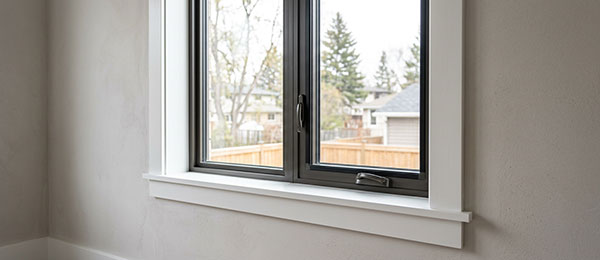
What Are the Most Common Issues Found in Double Hung Windows
Double hung windows are valued for their versatility and ventilation flexibility, but like all mechanical systems, they are prone to wear and performance decline over time. Understanding common issues helps contractors and maintenance teams anticipate repairs and extend window lifespan through timely servicing.
Typical Operational and Mechanical Problems
The most frequent problems observed in double hung windows include:
- Broken or Weak Balances – The balance system supports the weight of the sashes during operation. Over time, spiral or block-and-tackle balances can lose tension or break entirely, making the sash difficult to lift or causing it to drop suddenly.
- Damaged Sash Cords or Pulleys – Older models with traditional counterweight cords often experience fraying or snapping due to continuous use. When the cord breaks, the window becomes non-functional until replaced.
- Air Leaks and Seal Failures – Repeated use and seasonal expansion cause weatherstripping to compress or tear, resulting in noticeable drafts and reduced energy efficiency.
- Frame Warping and Misalignment – Changes in humidity, poor installation, or settling foundations can distort the window frame, preventing the sashes from sliding smoothly or sealing correctly.
- Water Infiltration and Condensation – Inadequate sealing or clogged drainage channels allow water penetration around the sill or meeting rail, which may lead to moisture buildup and frame deterioration.
- Hardware Wear – Tilt latches, locks, and pivot shoes can loosen or corrode over time, especially in aluminum or coastal installations.
Classification of Common Double Hung Window Issues
| Problem Category | Description | Primary Cause | Typical Solution |
| Balance Failure | Sash doesn’t stay open or drops unexpectedly | Broken spring or block & tackle failure | Replace balance assembly |
| Cord or Pulley Damage | Sash stuck or uneven movement | Frayed sash cord | Replace cord or switch to modern balance |
| Air Leakage | Drafts, temperature loss | Worn weatherstripping | Replace gasket or apply new sealant |
| Frame Warping | Uneven sash alignment | Humidity or installation error | Shim frame and realign sash |
| Condensation / Water Leaks | Moisture between panes or on sill | Faulty glazing or drainage | Replace IGU or clean weep holes |
| Lock or Latch Issues | Difficulty securing sash | Worn or misaligned hardware | Realign or replace locking mechanism |
Contributing Factors
Several environmental and operational factors accelerate these issues:
- High humidity and temperature variation, causing frame expansion and contraction.
- Frequent operation, increasing wear on balances and seals.
- Improper installation, leading to misalignment and premature hardware failure.
- Lack of scheduled maintenance, such as lubricating balances or clearing drainage channels.
Preventive Maintenance Approach
Routine inspections every 12–18 months can prevent most performance issues. Contractors should focus on:
- Checking sash balance tension.
- Inspecting weatherstripping for compression or tears.
- Cleaning tracks and drainage systems.
- Testing lock and latch engagement.
A proactive maintenance program not only extends lifespan but also maintains compliance with CSA A440.2-19 air and water performance standards.
Reference
For further technical insights, see Natural Resources Canada: Window Efficiency and Maintenance Guidelines.
How to Assess Damage Before Repairing Double Hung Windows
Before beginning any double hung window repair, it is essential to conduct a thorough inspection. Accurate damage assessment not only prevents unnecessary part replacements but also ensures long-term functionality and safety. The process involves checking both visible wear and hidden mechanical deterioration that affects sash balance, sealing, and frame alignment.
Step-by-Step Inspection Guide
1. Initial Visual Examination
Start by cleaning the window area to reveal any cracks or seal damage. Check for:
- Visible frame warping or gaps between the sash and jamb.
- Condensation buildup inside glazing units, indicating a failed seal.
- Paint flaking or wood decay in older frames, which can suggest water infiltration.
2. Sash Operation Test
Open and close both sashes to evaluate balance tension and mobility:
- If the sash drops or fails to stay open, inspect the balance system for tension loss.
- Resistance or grinding noises often indicate track misalignment or debris accumulation.
- If one sash moves unevenly, the pivot shoes or sash cords may be worn or detached.
3. Air and Water Leakage Assessment
Use a smoke pencil or infrared thermometer to detect air infiltration around the meeting rail and frame perimeter. Excessive leakage points to degraded weatherstripping or frame distortion. For water intrusion testing:
- Spray a light mist along the exterior perimeter.
- Observe any moisture penetration at sill joints or lock rails.
4. Hardware and Lock Inspection
Check tilt latches, cam locks, and pivot shoes for secure fit and corrosion. Hardware that feels loose or fails to lock tightly compromises both security and airtightness.
5. Frame and Seal Integrity
Inspect caulking around the exterior perimeter and glazing bead. Cracked or missing sealant must be replaced to prevent moisture ingress. For vinyl frames, ensure corners remain fully welded and show no separation.
Contractor Inspection Checklist
| Inspection Area | Signs of Damage | Tools Required | Recommended Action |
| Balance Mechanism | Sash drops suddenly or feels uneven | Flathead screwdriver, flashlight | Check tension and replace if necessary |
| Weatherstripping | Drafts, gaps, or visible wear | Smoke pencil, light tester | Replace compression seal or gasket |
| Frame & Sill | Water stains or discoloration | Utility knife, moisture meter | Re-caulk and repair sill flashing |
| Hardware / Locks | Loose or corroded parts | Screwdriver set | Tighten or replace hardware |
| Glass Unit | Condensation between panes | Inspection light | Replace IGU (Insulated Glass Unit) |
Professional Inspection Tips
- Conduct assessments during moderate temperatures to account for natural expansion and contraction.
- Document all findings with photographs before proceeding with disassembly or part replacement.
- Verify that all components meet CSA A440.2-19 standards after repair or replacement.
Proper inspection ensures efficient repairs and helps avoid unnecessary part replacement. Contractors should incorporate a structured evaluation checklist before any service call to maintain consistency and ensure all energy and safety standards are met.
How to Repair Window Balances, Cords, and Sash Guides
Repairing double hung window mechanisms requires understanding the balance and sash system that enables smooth sash movement. Whether the issue involves a broken cord, faulty spiral balance, or worn sash guide, proper repair ensures functionality, safety, and compliance with CSA standards.
Understanding Balance Systems
Double hung windows generally use one of three balance types:
- Block and Tackle Balance – Common in modern vinyl or aluminum frames; uses a spring and pulley mechanism to counterbalance sash weight.
- Spiral Balance – Found in older units; features a spiral steel rod that supports the sash through torsion.
- Cord and Pulley System – Traditional wood-frame design using sash cords and weights concealed in side pockets.
Each system requires specific tools and handling procedures for safe replacement.
Step-by-Step Repair Process
1. Remove the Sashes
- Unlock and tilt both sashes inward using the tilt latches.
- Disengage each sash from its pivot shoes by lifting gently upward.
- Set aside safely on a soft surface to avoid glass damage.
2. Inspect and Identify the Balance Type
- Examine the jamb channels for visible cords, spirals, or pulleys.
- Confirm whether the balance system is side-loaded (common in vinyl) or concealed (typical for wood frames).
3. Replace the Balance Assembly
- For block and tackle systems, unhook the existing balance from the take-out clip and install the new one with the same length and tension rating.
- For spiral balances, secure the spiral tip with a tensioning tool, rotate it two to three turns clockwise, and reinstall it into the pivot shoe.
- For cord-and-weight systems, open the side pocket, remove the old cord, and thread a new sash cord over the pulley wheel, reattaching it to the sash knot hole.
4. Reinstall Pivot Shoes and Sashes
- Ensure the pivot shoe cams face inward for proper engagement.
- Insert the lower sash first, aligning the pivot bars with the shoes.
- Test sash travel by sliding each panel several times to confirm even resistance.
Specification Table – Balance and Cord Replacement
| Component | Common Material | Recommended Replacement Interval | Torque / Tension Notes |
| Block & Tackle Balance | Stainless steel, nylon pulley | 15–20 years | Ensure equal tension on both sides |
| Spiral Balance | Galvanized steel rod | 10–15 years | 2–3 turns tension (clockwise) |
| Sash Cord | Cotton braid / synthetic fiber | 10–12 years | Match original cord diameter |
| Pivot Shoe | Nylon / acetal resin | As needed | Must seat flush with jamb track |
Adjustment and Calibration
After installation, perform a balance calibration test:
- Open the sash halfway. If it drifts downward, add one rotation (spiral) or replace with higher-tension spring (block & tackle).
- If it rises upward, reduce tension slightly.
- Confirm both sides operate evenly to prevent uneven wear.
Safety Precautions
- Always wear cut-resistant gloves and safety glasses when handling balances or cords.
- Support the sash at all times to avoid accidental drop.
- Replace both balances simultaneously to maintain symmetrical tension.
Final Verification
Once reassembled, verify that:
- Sashes move freely and stay in position when released.
- Tilt latches engage securely.
- There are no gaps or rattling sounds during operation.
Proper balance, cord, and sash guide repairs restore double hung windows to their intended function and prevent premature hardware wear. Following manufacturer torque and tension specifications ensures long-term performance and maintains CSA A440.2-19 compliance for air and water tightness.
How to Seal and Restore Energy Efficiency in Older Double Hung Units
Restoring the energy efficiency of older double hung windows is a crucial step in extending their service life and maintaining performance comparable to new installations. Proper sealing, weatherstripping, and glazing upgrades can significantly reduce air infiltration and improve insulation, ensuring compliance with ENERGY STAR and CSA A440.2-19 standards.
Step 1: Evaluate Existing Seals and Gaps
Begin by inspecting the perimeter of both sashes and the meeting rail for visible wear or air leakage. Use a smoke pencil or thermal imaging device to identify infiltration points. Common problem areas include:
- Deteriorated weatherstripping along the sash rails.
- Loose glazing putty or cracked sealant around the glass.
- Gaps between the sash and jamb due to frame shrinkage or warping.
Mark each area requiring repair before proceeding to sealing.
Step 2: Replace or Upgrade Weatherstripping
Weatherstripping plays a critical role in maintaining airtightness. When it becomes compressed or brittle, replace it using one of the following materials:
- Compression seals (foam or rubber): Ideal for meeting rails and sash perimeters.
- Pile weatherstripping: Used for smoother sash movement while reducing friction.
- Silicone bulb seals: Recommended for high-humidity or coastal installations.
Ensure that replacement seals match the original width and groove dimensions for a snug fit. Apply a small amount of silicone lubricant to improve sliding performance.
Step 3: Re-Caulk and Seal the Frame
Old or cracked caulking allows air and moisture infiltration. Follow these steps:
- Remove deteriorated caulk using a utility knife or scraper.
- Clean the joint area thoroughly with isopropyl alcohol.
- Apply a low-VOC, paintable silicone or polyurethane sealant along the frame-to-wall joints and exterior trim.
- Smooth with a caulking tool for uniform coverage.
Proper caulking prevents water penetration and thermal bridging while improving acoustic insulation.
Step 4: Repair or Replace Glazing Putty and IGU Seals
For wood-framed units, inspect glazing putty around the panes. If cracked or missing:
- Remove the old putty using a glazing knife.
- Apply a fresh layer of linseed oil-based or acrylic glazing compound.
- Allow 5–7 days of curing before painting.
For vinyl or aluminum windows, check insulated glass unit (IGU) seals. If condensation or fogging appears between panes, replacement of the IGU is necessary.
Step 5: Reinforce Thermal Performance
To further boost efficiency:
- Add Low-E window film to interior glass surfaces.
- Install interior storm panels to reduce heat loss.
- Ensure balances are correctly tensioned to maintain full sash compression.
Data from Natural Resources Canada (2025) indicates that proper resealing and glazing restoration can improve window U-factors by up to 20%, reducing annual heating costs by 10–15%.
ENERGY STAR Compliance Steps
To ensure compliance with modern standards:
- Verify window U-factor ≤ 1.6 W/m²·K after restoration.
- Confirm weatherstripping and glazing meet CSA A440.2-19 test tolerances.
- Perform a post-repair blower door test to measure leakage reduction.
- Document all materials used for future certification or warranty claims.
Restoring energy efficiency in older double hung windows requires a systematic approach — inspecting seals, replacing weatherstripping, and ensuring glazing integrity. Following ENERGY STAR and CSA guidelines ensures that restored windows provide measurable thermal improvement and long-term durability without requiring full replacement.
What Tools and Materials Are Essential for Professional Double Hung Window Repair
Performing double hung window repair efficiently and safely requires the right tools, materials, and preparation. Using professional-grade equipment ensures accuracy, prevents component damage, and maintains compliance with CSA A440.2-19 installation and maintenance standards.
Essential Hand Tools
| Tool | Purpose | Notes / Recommendations |
| Flathead & Phillips Screwdrivers | Removing hardware and balance screws | Use magnetic tips for tight jamb channels |
| Putty Knife / Glazing Tool | Removing old putty or sealant | Choose a flexible, stainless steel blade |
| Utility Knife | Trimming weatherstripping and sealant | Always use sharp blades for clean cuts |
| Pliers & Needle Nose | Handling sash cords and pivot shoes | Vinyl-coated handles for safe grip |
| Caulking Gun | Applying silicone or polyurethane sealant | Smooth-action gun for consistent bead flow |
| Pry Bar or Sash Removal Tool | Safely lifting sashes without frame damage | Soft-edged preferred to avoid scratches |
| Level & Square | Verifying frame alignment | Digital models improve accuracy |
| Moisture Meter | Checking wood frame moisture content | Required before caulking or painting |
Specialized Equipment for Balances and Seals
| Equipment | Function | Technical Note |
| Spiral Balance Tension Tool | Re-tensions spiral balances | Must match diameter of balance tube |
| Take-Out Clips | Used for removing block-and-tackle balances | Reusable and compatible with most vinyl systems |
| Weatherstripping Roller | Presses pile or compression seals into grooves | Prevents damage to new gaskets |
| Inspection Mirror and Flashlight | For checking hidden pulleys and pivot shoes | LED models recommended for narrow jambs |
| Smoke Pencil / Air Leak Tester | Detects air infiltration along rails | Essential for post-repair verification |
Repair Materials and Supplies
| Material | Usage | Manufacturer Recommendation |
| Vinyl-Compatible Lubricant | Reduces friction in sash channels | Avoid petroleum-based greases |
| Low-VOC Silicone Sealant | Frame-to-wall sealing | ENERGY STAR-compliant, paintable formula |
| Foam or Rubber Weatherstripping | Air and water seal replacement | Match size and compression rating to original |
| Replacement Pivot Shoes & Balances | Restores sash functionality | Use CSA-tested components only |
| Safety Gloves and Glasses | Operator protection | Mandatory during disassembly |
| Replacement Glass Putty / Glazing Compound | Restores IGU or single-pane seals | Acrylic-based for faster curing |
Safety Equipment and Best Practices
Professional repair technicians should always adhere to standard safety procedures:
- Wear cut-resistant gloves when removing glass or old sealant.
- Use protective eyewear when operating near spring-tensioned balances.
- Keep tools organized in a belt pouch to prevent accidental frame damage.
- For work on upper floors, ensure the use of fall protection and stable ladders rated for 300 lbs or more.
Manufacturer-Approved Materials
Window Force Inc. recommends repair materials sourced from certified suppliers to ensure long-term compatibility:
- Cardinal Glass Industries – IGU and glazing sealants.
- Interlock™ Hardware Systems – Tilt latches and balance mechanisms.
- Tremco® Sealants – Commercial-grade silicone and polyurethane sealants.
Equipping technicians with proper tools and certified materials ensures efficient, compliant, and safe double hung window repair. Following manufacturer-approved guidelines and using CSA-compliant components preserves warranty coverage and maximizes the window’s long-term performance.
Why Professional Repair from Certified Partners Ensures Longevity
Professional window repair performed by certified partners guarantees not only the correct restoration of mechanical function but also compliance with CSA A440.2-19 and ENERGY STAR Canada standards. Certified technicians follow manufacturer-approved procedures that maintain the structural and energy integrity of double hung windows, preventing premature failure and extending operational life.
Benefits of Certified Service
- Expert Diagnosis and Precision Repair
Certified technicians have the training and equipment to identify root causes of failure — such as balance misalignment, gasket compression loss, or seal degradation. Their familiarity with proprietary hardware systems ensures that all repairs restore factory-level performance. - Manufacturer-Approved Components
Repairs performed by authorized partners use only approved replacement parts — balances, pivot shoes, seals, and glazing units — that have been tested and certified for compatibility. Using uncertified parts can void warranties and compromise air and water resistance. - Warranty Protection
Repairs completed by Window Force Inc. partners are covered under extended service warranties. This includes: - 25 years on frame structure.
- 20 years on insulated glass units (IGUs).
- 10–15 years on moving hardware components.
Certified repairs maintain the original product warranty by ensuring all materials meet factory performance criteria. - Energy Efficiency Restoration
Professional technicians recalibrate sash balances and replace worn seals to restore full airtightness and insulation. This can improve window U-factors by up to 15% and reduce infiltration rates to within ENERGY STAR limits. - Safety and Compliance
Certified installers follow strict safety and environmental standards, including lead-paint handling protocols for older units and fall protection for elevated work sites. All repairs comply with current Ontario Building Code (OBC) and CSA window installation requirements.
Window Force Inc. Service Partnerships
Window Force Inc. maintains a nationwide network of certified partners that provide:
- On-site diagnostic assessments with CSA-compliant testing equipment.
- Priority part replacement through direct manufacturer supply.
- Detailed service documentation for warranty validation and project tracking.
- Technical training programs for partner contractors and maintenance personnel.
These partnerships ensure consistent quality control across all regions, enabling contractors and property managers to maintain long-term window performance without operational downtime.
Long-Term Value and Reliability
When performed by certified professionals, window repair extends system lifespan by up to 10–15 additional years, depending on use and environmental exposure. This approach minimizes lifecycle costs, reduces energy waste, and ensures continued compliance with performance standards.
Professional repair from Window Force Inc. certified partners ensures that every double hung window maintains its original energy efficiency, mechanical integrity, and warranty coverage. With access to approved materials, expert technicians, and reliable documentation, clients achieve durable, efficient, and regulation-compliant results across every project.
Conclusion: Best Practices for Reliable and Efficient Double Hung Window Repair
Maintaining the longevity and performance of double hung windows requires a structured approach that combines preventive maintenance, certified repairs, and ongoing quality inspections. By adhering to best practices and using manufacturer-approved components, property managers and contractors can preserve window performance for decades while ensuring compliance with CSA A440.2-19 and ENERGY STAR Canada standards.
Key Repair and Maintenance Principles
| Best Practice | Description | Result / Benefit |
| Regular Inspection | Conduct full inspections every 12–18 months to detect wear early | Prevents major failures and reduces cost |
| Certified Parts and Hardware | Use Window Force Inc. approved balances, seals, and locks | Ensures warranty coverage and CSA compliance |
| Professional Calibration | Adjust sash balances and pivot shoes during repair | Maintains smooth operation and equal tension |
| Energy Seal Restoration | Replace weatherstripping and glazing putty as needed | Restores airtightness and energy efficiency |
| Documented Service | Keep detailed maintenance logs with part numbers | Simplifies warranty claims and future service planning |
Preventive Maintenance Schedule
- Quarterly: Clean sash tracks, drainage channels, and inspect for debris.
- Annually: Check weatherstripping compression and reseal joints as needed.
- Every 3–5 Years: Lubricate balances and hinges; verify frame alignment and lock integrity.
- Every 10–12 Years: Replace glazing seals or upgrade IGUs if condensation occurs.
Following these intervals ensures consistent performance and prevents costly emergency repairs.
Professional Repair Benefits
- Improved Window Longevity: Professionally serviced windows can extend operational lifespan by 10–15 years beyond their average expectancy.
- Energy Performance Recovery: Proper sealing and calibration can restore lost efficiency, reducing heating and cooling costs by up to 20%.
- Enhanced Safety: Certified technicians ensure that all moving parts function correctly, reducing the risk of sash drop or latch failure.
- Sustained Compliance: Work performed under CSA and ENERGY STAR guidelines ensures alignment with modern building and energy codes.
Expert Recommendation
Analysis of long-term service data from Window Force Inc. confirms that scheduled maintenance and certified repairs significantly improve window reliability. Contractors who follow factory-calibrated service procedures experience 30–40% fewer callbacks for operational issues.
Summary Table – Key Advantages of Professional Repair
| Category | Certified Repair | Unverified Repair |
| Energy Efficiency | Maintained at factory levels | Degrades within 2–3 years |
| Durability | 25–35 years | 15–20 years |
| Warranty Validity | Fully preserved | Often voided |
| Operational Safety | Verified | Unverified |
| Cost Efficiency | Optimized lifecycle cost | Higher long-term expense |
Final Thoughts
Reliable and efficient double hung window repair depends on combining expert service, proper materials, and proactive maintenance. Partnering with Window Force Inc. ensures access to certified technicians, tested components, and consistent quality assurance — delivering superior longevity, performance, and compliance for every project.
Frequently Asked Questions
How Often Should Double Hung Windows Be Inspected or Repaired?
Double hung windows should be inspected every 12–18 months for seal integrity, balance function, and frame alignment. Routine inspections help identify minor issues before they lead to costly repairs. In high-traffic or multi-unit buildings, semi-annual checks are recommended, especially before seasonal temperature changes.
Can Damaged Sashes or Frames Be Repaired Without Full Replacement?
Yes. In most cases, damaged sashes, cords, or balances can be repaired or replaced without removing the full frame. Contractors can restore performance by recalibrating sash tension, replacing seals, and correcting frame warping. Full window replacement is only necessary when there is severe structural deterioration or water infiltration that compromises the frame’s integrity.
What Safety Precautions Should Professionals Follow During Window Repair?
Technicians should always follow CSA A440.2-19 and OHS safety standards during window servicing. Key precautions include:
- Wearing cut-resistant gloves and eye protection when removing glass or sash components.
- Securing ladders or scaffolding when working above ground level.
- Using HEPA-certified respirators when disturbing old paint layers that may contain lead.
- Locking sash balances or cords before disassembly to prevent accidental recoil.
Following these guidelines ensures technician safety and compliance with national building maintenance regulations.