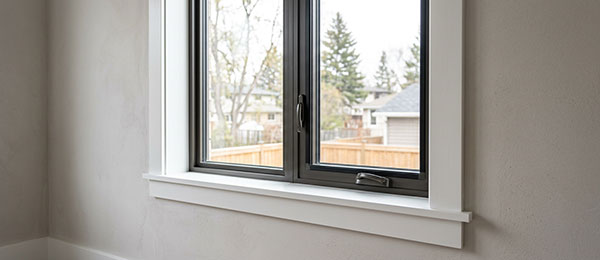
Choosing new windows is more than a design decision — it directly affects a home’s energy efficiency, durability, and long-term maintenance costs. Among the many frame materials available, vinyl and wood windows are two of the most widely compared options for residential homes. Understanding how these materials differ in performance, cost, and upkeep can help homeowners choose the window system that best fits their climate, budget, and long-term expectations.
Key Takeaways
- Vinyl windows are made from PVC (polyvinyl chloride), a durable and energy-efficient material widely used in modern residential construction.
- Wood windows are made from natural timber, valued for their traditional appearance but requiring more maintenance over time.
- Vinyl windows have become the most widely installed residential window type in North America, largely due to affordability, insulation performance, and low maintenance.
- Compared with wood windows, vinyl frames generally offer better moisture resistance, longer maintenance cycles, and lower overall ownership costs.
- Wood windows can provide aesthetic appeal but often involve higher installation costs and ongoing upkeep, such as painting or sealing.
- For homeowners seeking durability, energy efficiency, and minimal maintenance, vinyl window systems are often the more practical long-term solution.
- Vinyl windows are generally more affordable than wood windows, both in purchase price and long-term ownership costs.
- In cold climates like Canada, well-designed vinyl windows with insulated glazing help reduce heat loss and the risk of condensation, improving overall home energy efficiency.
What Are Vinyl Windows and How Do They Compare to Wood Windows?
When homeowners choose new windows, they are not simply selecting glass — they are choosing the frame system that determines insulation, durability, maintenance needs, and long-term cost. Modern systems produced by an experienced windows manufacturer are engineered to balance structural strength, insulation performance, and long-term reliability. The two materials most frequently compared in residential construction are vinyl and wood.
Both types can support double- or triple-pane glazing, energy-efficient coatings, and modern locking systems. The key difference lies in the structural frame material and its performance over decades of weather exposure.
How Vinyl Window Frames Are Made
Vinyl windows are manufactured using polyvinyl chloride (PVC), a rigid thermoplastic widely used in building materials. The process begins with the extrusion of PVC profiles — long frame components created by pushing heated PVC through precision dies.
The manufacturing process typically includes:
- PVC extrusion forming hollow multi-chamber frame profiles
- Reinforcement integration, often with galvanized steel or composite materials
- Corner welding, where frame pieces are fused together for airtight joints
- Sealing and glazing installation, which adds insulated glass units
These multi-chambered frames are not random design elements — they are engineered to improve thermal performance. Air pockets within the frame reduce heat transfer, helping maintain stable indoor temperatures.
Because PVC does not absorb moisture, vinyl frames resist:
- Rot
- Warping
- Swelling
- Corrosion
This characteristic is especially relevant in climates with significant seasonal temperature swings.
What Makes Wooden Window Frames Unique
Wood windows rely on natural timber as the structural frame material. Common species include pine, fir, mahogany, and oak. These frames are typically milled from solid wood and treated with stains, paints, or sealants to improve weather resistance.
Wood has long been valued for its natural appearance and traditional architectural compatibility. In heritage homes or during historical renovations, wooden frames may better align with the original design aesthetics.
However, wood behaves very differently from PVC under environmental conditions. Because wood is porous, it can:
- Absorb moisture
- Expand and contract with humidity
- Require periodic sealing or painting
Without proper maintenance, wood frames may eventually develop issues such as cracking, peeling finishes, or rot.
Another key difference lies in manufacturing consistency. Natural wood grain varies between pieces, so frames require additional finishing and quality-control steps during production.
Common Uses in Modern Homes
In today’s residential construction market, vinyl and wood windows are used in different contexts.
Vinyl windows are most commonly installed in:
- New residential developments
- Energy-efficient home renovations
- Window replacement projects
- Modern suburban housing
Their consistent manufacturing, lower cost, and low maintenance requirements make them particularly attractive for large-scale residential installations.
Wood windows are more frequently used in:
- Heritage property restorations
- Custom architectural projects
- Homes where traditional aesthetics are prioritized
However, many modern homeowners choose vinyl systems even in design-focused homes because contemporary vinyl frames can mimic traditional profiles while offering improved durability.
Vinyl Windows vs. Wood Windows: Core Differences
| Feature | Vinyl Windows | Wood Windows |
| Frame Material | PVC (polyvinyl chloride) | Natural timber |
| Maintenance | Minimal maintenance required | Requires regular sealing or painting |
| Moisture Resistance | Excellent resistance | Susceptible to rot if not maintained |
| Thermal Insulation | Strong due to multi-chamber frames | Good natural insulation |
| Durability | Resistant to warping and corrosion | Can warp or crack over time |
| Cost | Generally more affordable | Higher initial cost |
Because the frame material directly influences long-term performance, many modern homeowners prioritize durability and efficiency, contributing to the rapid growth of vinyl window installations.
Why Are Vinyl Windows One of the Most Popular Window Choices for Homeowners?
Over the past several decades, vinyl windows have evolved from a niche product into the dominant window material used in residential construction across North America.
Their popularity is not driven by a single feature. Instead, it results from the combination of affordability, strong insulation performance, and reduced maintenance requirements.
Growth of Vinyl Window Installations in North America
Market research shows that vinyl windows account for the majority of residential window installations in Canada.
Several factors have contributed to this shift:
- Increased focus on energy-efficient housing
- Rising labour costs for maintenance-heavy materials
- Advancements in PVC extrusion technology
- Greater availability of customizable vinyl frame designs
As building codes began emphasizing thermal performance and airtight construction, window materials capable of delivering consistent insulation performance became increasingly valuable.
Vinyl frames, with their multi-chamber structure and tight-welded joints, help reduce heat loss and improve overall building-envelope efficiency.
According to guidance from Natural Resources Canada, energy-efficient windows can significantly reduce heating costs in colder climates by limiting heat transfer through the building envelope.
Why Homeowners Prefer Vinyl Window Replacements
Homeowners replacing older windows often evaluate three factors:
- Long-term operating costs
- Maintenance requirements
- Installation affordability
Vinyl window systems tend to perform strongly in all three areas.
First, PVC frames require very little maintenance. Unlike wood, they do not need repainting or sealing. Cleaning typically involves mild soap and water.
Second, vinyl frames maintain consistent structural stability in changing temperatures. This stability helps keep window seals intact, improving energy efficiency and preventing drafts.
Third, manufacturing efficiency makes vinyl windows more cost-accessible for homeowners compared with many wood alternatives.
Sergey Essipov, a window manufacturing engineer with more than 20 years of experience in frame design and production, explains the engineering advantage of PVC frames:
“Modern vinyl window systems are designed with multi-chamber profiles that significantly reduce heat transfer. When properly manufactured and installed, they offer reliable thermal performance and long-term durability for residential buildings.”
These characteristics make vinyl windows particularly appealing in climates with harsh winters or fluctuating seasonal temperatures.
Another factor influencing homeowners' preferences is the predictable lifespan. Many vinyl window systems are designed to perform effectively for decades when installed correctly.
As energy efficiency becomes an increasingly important priority in home design and renovation, materials that deliver reliable performance with minimal upkeep continue to gain traction.
What Are the Main Pros and Cons of Vinyl Windows?
Every building material has advantages and limitations, and window frames are no exception. Understanding both helps homeowners make informed decisions when selecting replacement windows or designing a new home.
Benefits of Vinyl Window Frames
Vinyl windows provide several practical advantages that explain their widespread adoption.
1. Strong energy efficiency
Multi-chamber PVC frames help slow heat transfer, improving insulation performance. When combined with modern insulated glass units and low-emissivity coatings, vinyl windows can contribute to improved indoor temperature stability.
2. Low maintenance requirements
Unlike wood frames, vinyl does not require painting, staining, or sealing. The material is inherently resistant to moisture damage and corrosion.
Typical maintenance involves:
- Occasional cleaning
- Inspection of seals
- Lubrication of hardware, if needed
3. Cost efficiency
Vinyl windows typically have a lower initial cost than wood alternatives. This affordability makes them particularly attractive for full-home window replacement projects.
4. Durability in varying climates
PVC frames resist warping and expansion better than many natural materials. This stability helps maintain proper sealing around the window unit.
5. Moisture and pest resistance
Because vinyl is not an organic material, it is not vulnerable to insects or rot.
Potential Drawbacks Homeowners Should Consider
While vinyl windows offer many advantages, some considerations remain.
Limited colour flexibility
Although vinyl frames are available in multiple finishes, they generally cannot be repainted like wood frames.
Structural limits for very large windows
Extremely large window openings sometimes require reinforced vinyl profiles or alternative materials to maintain rigidity.
Appearance preferences
Some homeowners prefer the natural grain and texture of wood frames for historical or architectural reasons.
However, improvements in manufacturing have allowed modern vinyl frames to replicate many traditional design profiles.
Vinyl Windows vs. Wood Windows: Pros and Cons
| Factor | Vinyl Windows | Wood Windows |
| Maintenance | Very low maintenance | Requires regular painting or sealing |
| Moisture Resistance | High resistance | Can absorb moisture |
| Durability | Resistant to warping and rot | Vulnerable to rot without maintenance |
| Cost | Lower average cost | Higher material and maintenance costs |
| Energy Efficiency | Strong with insulated glass | Good insulation, but maintenance dependent |
| Customization | Moderate | High design flexibility |
Many homeowners replacing aging wood windows report choosing vinyl replacements primarily for lower maintenance needs and improved energy performance.
What Is the Average Cost of Vinyl Windows Compared to Wood Windows?
Replacing windows is a major home improvement project, and the frame material plays a major role in the total cost. When homeowners compare vinyl and wood windows, the price difference can be significant — often influencing the final decision.
Typical Vinyl Window Pricing
Vinyl windows are widely considered the most cost-efficient window material for residential installations. Because PVC frames are manufactured using automated extrusion processes, production costs remain relatively stable compared with handcrafted wood frames.
The average installed cost of residential vinyl windows typically falls within the following range:
- $500–$1,200 CAD per window installed, depending on size and glazing options
- Larger or specialty windows may exceed $1,500 CAD installed
Several factors influence the final cost:
- Window size and style (casement, awning, sliding, etc.)
- Type of insulated glazing (double-pane or triple-pane)
- Low-E coatings and gas fills
- Installation complexity
- Removal of existing window frames
Because vinyl frames are produced in standardized profiles, manufacturers can offer consistent quality and pricing across large production volumes. This efficiency is one reason vinyl windows dominate residential replacement markets.
Why Wood Windows Are Usually More Expensive
Wood windows typically involve higher material and labour costs. The frames are milled from solid timber and often require additional finishing steps such as sealing, staining, or painting.
The cost of installing wood windows often falls within the following range:
- $1,200–$2,500 CAD per window installed
- Custom architectural wood windows may exceed $3,000 CAD per unit
Several factors increase the cost of wood windows:
- Natural wood material sourcing
- Precision milling and assembly
- Protective finishing and coatings
- Higher maintenance requirements over time
And there is another important factor — long-term maintenance costs. Wood windows often require periodic repainting or sealing to prevent moisture damage, which adds ongoing expenses over the window's lifespan.
Cost Comparison: Vinyl vs. Wood Windows
| Feature | Vinyl Windows | Wood Windows |
| Average cost per installed window | $500–$1,200 CAD | $1,200–$2,500+ CAD |
| Manufacturing process | Automated PVC extrusion | Milled natural timber |
| Customization | Moderate | High |
| Maintenance costs | Low | Moderate to high |
| Overall lifetime cost | Lower | Higher |
For homeowners planning large window replacement projects, this price difference can represent thousands of dollars in savings.
How Durable Are Wood Windows Compared to Vinyl Window Frames?
Durability is a major factor when choosing new windows. In climates like Canada’s — where windows face freezing winters, humidity, and temperature swings — frame materials must withstand long-term environmental stress.
How Long Wood Windows Typically Last
Wood windows can last for decades when properly maintained. With regular care, including painting, sealing, and protection from moisture, well-maintained wood windows may remain functional for 30 years or even longer. However, their longevity depends heavily on consistent maintenance. Because wood is a natural material, it can:
- Absorb moisture
- Expand and contract with humidity
- Develop rot if protective coatings fail
Protective finishes are therefore essential for maintaining durability.
Protective Coatings and Treatments
Manufacturers apply protective layers such as paints, stains, or sealants to help shield wood frames from moisture and UV exposure. But these finishes deteriorate over time and must be renewed periodically.
Vinyl windows approach durability differently. PVC frames are inherently resistant to moisture and biological decay, meaning they do not require protective coatings to maintain structural integrity.
Sergey Essipov, a window manufacturing engineer with two decades of industry experience, explains the engineering advantage of vinyl frames:
“PVC window frames are designed to resist moisture and environmental stress without relying on surface coatings. This reduces the risk of structural deterioration and helps maintain long-term performance.”
Durability Comparison
| Durability Factor | Vinyl Windows | Wood Windows |
| Moisture resistance | Excellent | Moderate (requires sealing) |
| Rot risk | None | Possible if maintenance lapses |
| Warping risk | Low | Moderate |
| Typical lifespan | 25–40+ years | 20–30+ years with maintenance |
| Resistance to pests | High | Susceptible to insects |
For many homeowners, durability is not just about lifespan — it’s about how much effort is required to preserve that lifespan. In this regard, vinyl windows provide a more predictable long-term performance profile.
Which Window Material Requires More Maintenance Over Time?
Maintenance requirements can significantly influence the total cost and convenience of owning windows. While both vinyl and wood frames require occasional cleaning, their long-term upkeep differs considerably.
Wood windows require regular attention to maintain their structural integrity and appearance. Vinyl windows, by contrast, are designed to operate with minimal intervention.
Maintenance Differences
Wood frames typically require periodic maintenance tasks such as:
- Repainting or staining every several years
- Sealing to prevent moisture penetration
- Repairing peeling finishes
- Inspecting for rot or insect damage
Vinyl frames eliminate most of these steps.
Maintenance for vinyl windows generally includes:
- Cleaning the frame with mild detergent
- Inspecting seals and weatherstripping
- Lubricating moving parts if necessary
Maintenance Comparison
| Maintenance Task | Vinyl Windows | Wood Windows |
| Painting required | No | Yes |
| Sealing required | No | Yes |
| Cleaning frequency | Occasional | Occasional |
| Risk of finish deterioration | Low | High |
| Long-term upkeep cost | Low | Moderate to high |
Many homeowners report that eliminating regular repainting or sealing significantly reduces long-term upkeep effort.
Which Window Type Performs Better in Cold Climates Like Canada?
Canada’s climate presents unique challenges for residential windows. For homeowners comparing windows in Ontario, selecting materials that perform reliably in freezing winters and through large seasonal temperature swings is especially important. Long winters, freezing temperatures, and large seasonal temperature swings require window systems that provide reliable insulation and moisture resistance.
Thermal Performance and Energy Efficiency
Energy efficiency is primarily determined by the entire window system, including the frame and glazing unit.
High-performance windows with insulated frames and multiple glazing layers can significantly reduce heat loss through the building envelope. Vinyl frames contribute to this efficiency because they typically include multi-chamber designs that slow heat transfer.
When combined with double- or triple-pane insulated glass units, vinyl windows can help reduce heating energy consumption during the winter months.
Condensation Resistance and Moisture Control
Cold climates also increase the risk of interior condensation forming on window surfaces.
Frames that conduct heat quickly can create cold interior surfaces where moisture condenses.
Vinyl frames generally perform well in this regard because PVC is less thermally conductive than many traditional materials, helping maintain warmer interior frame surfaces.
Cold Climate Performance Comparison
| Performance Factor | Vinyl Windows | Wood Windows |
| Thermal insulation | High with multi-chamber frames | Good natural insulation |
| Condensation resistance | Strong with modern glazing | Moderate |
| Moisture resistance | Excellent | Requires protective coatings |
| Stability in temperature swings | High | Moderate |
For Canadian homeowners seeking energy efficiency and reliability during harsh winters, vinyl window systems offer strong insulation and minimal maintenance.
And when paired with high-performance glazing and proper installation, modern vinyl windows can help create comfortable, energy-efficient homes that can withstand Canada’s demanding climate.
What Factors Should Homeowners Consider Before Choosing New Window Frames?

Selecting new windows is not simply about appearance. Window frames affect energy performance, long-term durability, maintenance needs, and overall home comfort. Before deciding between vinyl and wood frames, homeowners should evaluate several practical factors.
Step 1: Evaluate Your Budget and Long-Term Costs
Budget is often the first consideration when choosing replacement windows. However, the initial purchase price is only part of the total cost.
Vinyl windows generally offer:
- Lower purchase and installation costs
- Minimal maintenance expenses over time
- Strong long-term value for large window replacement projects
Wood windows, on the other hand, often involve:
- Higher manufacturing costs due to natural materials
- More labour-intensive installation
- Ongoing expenses related to repainting or sealing
Step 2: Consider Home Style and Architectural Requirements
Some homeowners prioritize the aesthetic character of their home when selecting windows. Wood frames are traditionally associated with historic properties and certain architectural styles.
However, modern vinyl windows now come in a variety of profiles and finishes designed to complement many home designs. Many Toronto window installations today combine traditional visual styles with modern vinyl frame technology.
Many manufacturers offer vinyl window styles such as:
- Casement windows
- Sliding windows
- Awning windows
- Fixed picture windows
These options allow homeowners to maintain design flexibility while benefiting from durable and energy-efficient materials.
Step 3: Think About Maintenance Expectations
Maintenance requirements are one of the biggest practical differences between vinyl and wood windows.
Wood windows typically require:
- Periodic painting or staining
- Protective sealing against moisture
- Inspections for rot or deterioration
Vinyl windows are designed to be low-maintenance. Routine upkeep usually includes occasional cleaning and checking window hardware.
For homeowners who want durable windows without regular upkeep, vinyl frames can be a more convenient option.
Step 4: Evaluate Insulation and Energy Efficiency
In Canada, energy efficiency is a major consideration for window replacement projects.
Natural Resources Canada notes that high-performance windows can significantly reduce heat loss in homes by improving the building envelope.
Modern vinyl windows often include:
- Multi-chamber frame designs
- Double or triple-insulated glazing
- Low-emissivity (Low-E) coatings
These features help maintain indoor comfort during winter and reduce heating energy consumption.
Step 5: Consider Long-Term Durability
Window frames must withstand years of exposure to:
- Rain and humidity
- Freezing temperatures
- UV radiation
- Temperature fluctuations
Vinyl frames resist moisture and corrosion without requiring protective coatings.
For many Canadian homeowners, durability combined with low maintenance makes vinyl windows an appealing long-term solution.
What Are the Key Differences Between Vinyl and Wood Windows in a Quick Comparison?
Although vinyl and wood windows may appear similar at first glance, their performance characteristics differ in several important ways. The most significant differences relate to cost, durability, insulation performance, and maintenance requirements.
Core Differences Between Vinyl and Wood Windows
| Feature | Vinyl Windows | Wood Windows |
| Frame Material | PVC (polyvinyl chloride) | Natural timber |
| Average Cost | Lower installation cost | Higher material and labour cost |
| Maintenance | Minimal maintenance required | Requires repainting and sealing |
| Moisture Resistance | Excellent | Vulnerable without protection |
| Insulation Performance | High with multi-chamber frames | Good natural insulation |
| Durability | Resistant to warping and rot | Can warp or rot if not maintained |
| Customization | Moderate | High |
Performance Differences Explained
Vinyl windows achieve strong insulation performance through multi-chamber frame structures that trap air and reduce heat transfer. Combined with insulated glass units, this helps maintain consistent indoor temperatures.
Wood frames also provide natural insulation but require protective coatings to prevent moisture infiltration and deterioration.
In practical terms, the differences often become most noticeable over time.
Vinyl windows typically offer:
- Consistent performance across changing temperatures
- Minimal structural changes from humidity
- Long service life with little maintenance
Wood windows may require more care to maintain similar performance levels.
For homeowners replacing aging windows, these differences often influence which material provides the best long-term value.
What Is the Final Verdict When Comparing Wood vs Vinyl Windows?
Choosing between vinyl and wood windows ultimately depends on the homeowner's priorities. Both materials can function effectively when manufactured and installed correctly, but they offer different advantages.
When Vinyl Windows Are the Better Choice
Vinyl windows are often the preferred option for homeowners who prioritize:
- Lower installation costs
- Minimal maintenance requirements
- Strong energy efficiency performance
- Resistance to moisture and environmental exposure
For most modern residential construction projects, vinyl frames provide a balance of durability, affordability, and reliable insulation.
When Wood Windows May Be Preferred
Wood windows may still be considered in certain situations, particularly when:
- Renovating historical homes
- Matching specific architectural styles
- Seeking traditional aesthetic details
However, homeowners choosing wood frames should be prepared for regular maintenance and higher long-term costs.
Final Recommendation
For most homeowners in Canada, vinyl windows offer a practical combination of energy efficiency, durability, and cost control. Their resistance to moisture, minimal maintenance requirements, and consistent thermal performance make them well-suited to the country’s demanding climate conditions.
When properly manufactured and professionally installed, modern vinyl window systems can deliver reliable performance for decades, helping homeowners improve comfort while reducing maintenance responsibilities.
Frequently Asked Questions
Are vinyl windows more energy-efficient than wood windows?
Both vinyl and wood frames can support energy-efficient glazing such as double- or triple-pane insulated glass units. However, vinyl frames often achieve more consistent thermal performance because their multi-chamber design reduces heat transfer and helps maintain airtight seals over time. When combined with Low-E coatings and gas-filled glazing, modern vinyl windows can significantly improve home energy efficiency.
Do vinyl windows last longer than wood windows?
Vinyl windows typically last 25–40 years or more, depending on manufacturing quality and installation. Wood windows can also last decades, but their longevity depends heavily on regular maintenance, such as painting, sealing, and moisture protection. Without proper upkeep, wood frames may deteriorate faster due to rot, swelling, or insect damage.
Can vinyl windows look similar to traditional wood windows?
Yes. Modern vinyl window manufacturing enables a wide range of frame profiles, colours, and finishes that replicate the appearance of traditional wood windows. Some systems also offer interior laminate finishes that mimic wood grain while maintaining PVC's durability and low maintenance.
Which window type is better for cold climates?
In colder climates such as Canada, vinyl windows often perform particularly well. PVC frames conduct less heat than many traditional materials and often feature multi-chamber structures that enhance insulation. When combined with high-performance glazing, vinyl windows help reduce heat loss, minimize drafts, and lower the risk of condensation in winter.
Are wood windows still a good option for modern homes?
Wood windows remain a strong option for heritage properties, architectural renovations, and homes where traditional aesthetics are a priority. Their natural appearance and design flexibility make them popular in custom projects. However, homeowners should consider the higher installation costs and ongoing maintenance requirements compared with vinyl alternatives.
Is window installation quality more important than frame material?
Yes. Even the best window material will underperform if it is poorly installed. Proper installation ensures airtight sealing, correct insulation around the frame, and long-term durability. Professional installation helps maximize the energy efficiency and lifespan of both vinyl and wood window systems.