LoĒ Coatings
Reduce radiant heat transfer and improve energy performance. Multiple Low-Ē options are available to meet regional climate and efficiency requirements.
Window Force offers a range of glazing configurations designed to meet performance, safety, and energy requirements for residential and commercial applications. Glass options are selected based on project specifications, climate conditions, and applicable building codes.
Low-Ē (low emissivity) coatings are applied to reduce heat transfer while maintaining visible light transmission. Designed to improve thermal performance and overall energy efficiency in insulated glass units.
Insulated glass units are engineered assemblies consisting of multiple glass panes, spacer systems, and insulating gas fills.
Designed to maintain long-term performance under temperature variation, moisture exposure, and structural loads.
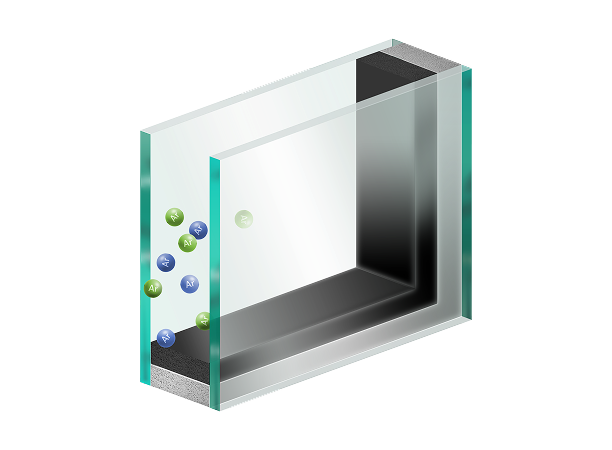
Reduce radiant heat transfer and improve energy performance. Multiple Low-Ē options are available to meet regional climate and efficiency requirements.
Inert, non-toxic insulating gas used between glass panes to reduce heat transfer and improve thermal resistance.
High-performance spacer system designed to reduce edge-of-glass heat loss and improve condensation resistance.
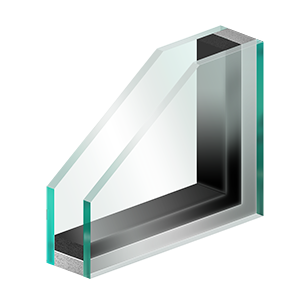
Double pane glass units consist of two panes of glass separated by a sealed air or gas-filled cavity, improving insulation compared to single pane glass. The 13/16” insulated glass unit is a widely used standard that provides a balanced combination of thermal performance, sound reduction, and cost efficiency.
This configuration helps reduce heat transfer through the glass, minimizing heat loss in winter and limiting heat gain in warmer months. The sealed cavity also improves acoustic insulation, reducing everyday exterior noise such as traffic and neighborhood sounds.
13/16” IGUs are commonly used in residential applications where reliable energy performance is required without increasing overall glass thickness or weight.
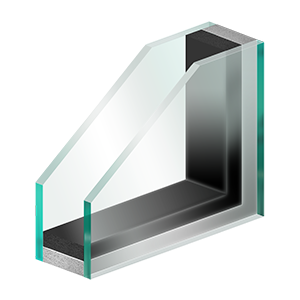
Double pane glass units with
This additional depth also contributes to better sound attenuation, helping reduce the amount of exterior noise entering the home and improving overall indoor comfort. As a result, 1-3/8” double pane glass units are often selected for applications where higher energy efficiency and improved acoustic performance are priorities.
This configuration is well suited for colder climates and projects aiming to exceed standard energy performance requirements.
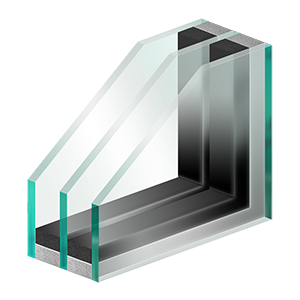
Triple pane glass units incorporate three panes of glass separated by two sealed insulating cavities, providing the highest level of thermal insulation among standard residential glazing options. The additional pane and cavity create multiple barriers against heat loss, significantly improving overall energy efficiency.
This configuration is especially effective in cold climates, where maintaining stable indoor temperatures and reducing heating demand are critical. Triple pane glass also offers enhanced sound reduction, helping to limit exterior noise and improve indoor comfort.
While triple pane units increase glass thickness and weight, they are often chosen for high-performance homes and projects focused on maximum energy savings, comfort, and condensation resistance.
Low-Ē coatings reflect infrared energy while allowing visible light transmission. This helps regulate interior temperatures by reducing heat loss in colder conditions and limiting solar heat gain when required by specification.

The coating works by reflecting the heat back into the room during the winter months and reflecting it back outside during the summer months, reducing the need for heating and cooling.



Optimized for cold-climate performance with improved interior heat retention.

Balanced year-round performance with solar heat control and UV reduction.

High solar control coating with strong UV and infrared blocking.

Interior-applied coating focused on enhanced thermal insulation.
Glass types engineered to meet safety, impact, and retention requirements.
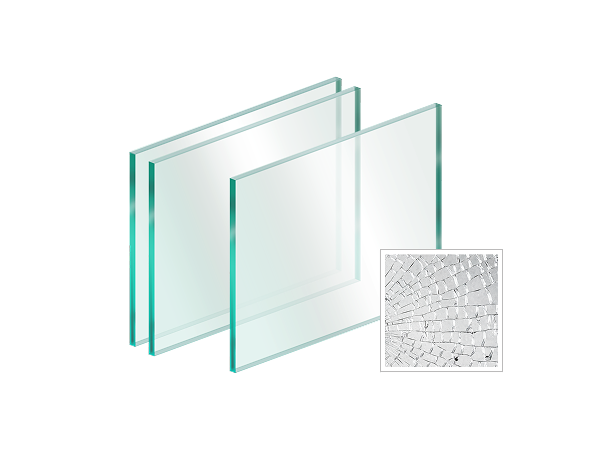
Heat-treated safety glass designed to increase strength and meet impact and safety requirements. Tempered glass offers several benefits over regular annealed glass.
Key characteristics:
Typical use cases:
Windows, doors, and locations where safety glazing is required by code.
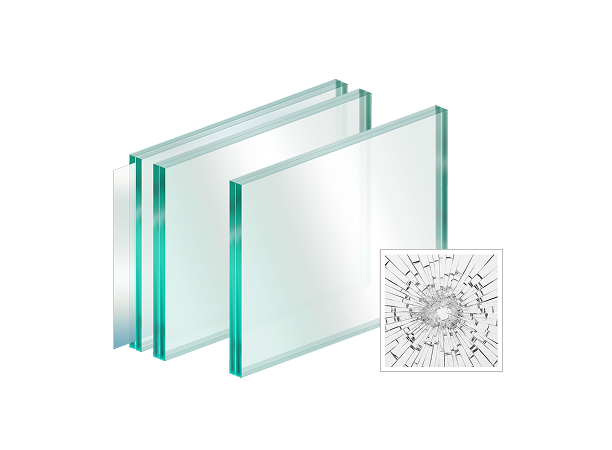
Multi-layer safety glass bonded with an interlayer designed to retain fragments upon breakage and improve security performance.
Key characteristics:
Typical use cases:
Security-sensitive applications, impact-rated openings, and projects requiring sound attenuation.


