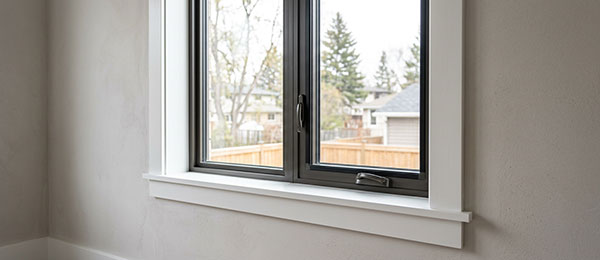
Canadian winters are not mild seasonal inconveniences — they are prolonged stress tests for building performance. When temperatures drop well below freezing and remain there for weeks, windows become one of the most critical components of a home’s thermal envelope. Heat loss, condensation, drafts, and structural movement quickly reveal which systems are engineered for extreme cold — and which are not.
Choosing the best windows for harsh Canadian winters is not about brand recognition or marketing claims. It is about verified insulation values, airtight construction, stable frame materials, and climate-specific design. This guide breaks down the technical criteria that truly determine winter performance, helping homeowners identify insulated window systems that deliver measurable comfort, efficiency, and durability in sub-zero conditions.
Key Takeaways
- Low U-factor is critical — the lower the number, the better the insulation (ENERGY STAR® Canada climate zone requirements apply).
- Triple glazing significantly reduces heat loss, especially in Northern and Prairie regions.
- Vinyl frames outperform most materials in thermal resistance and condensation control.
- Reinforced multi-chamber vinyl frames maintain stability during freeze-thaw cycles.
- Vinyl frames outperform most alternatives in extreme Canadian cold due to low thermal conductivity and strong resistance to expansion and contraction.
- The “best” window is defined by verified performance data, installation quality, and climate suitability, not brand name alone.
What makes a window suitable for harsh Canadian winters?
Cold climates demand measurable performance — not marketing language. In Canada, window performance is verified through standardized laboratory testing that evaluates thermal transmittance, air leakage, water penetration resistance, and structural load capacity under controlled conditions. These metrics allow products to be compared objectively rather than relying on manufacturer claims. Clear, certified performance data ensures homeowners can make decisions based on verified efficiency and durability standards.
U-Factor: The Core Measure of Insulation
The U-factor measures the rate of heat transfer through a window (W/m²·K). Lower numbers indicate better insulation.
According to Natural Resources Canada (NRCan), ENERGY STAR® Canada requirements for cold climate zones require windows to meet strict maximum U-factor thresholds (which vary by zone). In Northern climate zones, triple-pane windows are often necessary to meet compliance requirements.
In real terms? A lower U-factor means:
- Reduced heating demand
- More consistent indoor temperatures
- Improved comfort near window surfaces
- Lower risk of condensation
And here’s what many homeowners don’t realize: centre-of-glass performance alone isn’t enough. The whole-window U-factor — including frame and spacer — matters most.
Air Leakage (AL) Ratings: Stopping Drafts Before They Start
Even the most insulated glass won’t perform if air infiltrates the frame.
Air leakage is measured in L/s·m² under pressure testing. According to CSA A440 standards, lower air leakage values indicate tighter construction. High-performance vinyl windows often achieve very low AL ratings due to welded corners and compression seals.
Draft reduction provides:
- Better thermal stability
- Lower heating costs
- Reduced cold air infiltration
- Improved sound insulation
In extreme winter storms, this difference becomes noticeable immediately.
Triple Glazing and Gas Fills
Triple-pane windows add a third layer of glass and a second sealed airspace. According to ENERGY STAR® Canada guidance, triple glazing significantly reduces heat loss in colder zones.
Gas fills between panes improve performance further:
- Argon gas is widely used because it is cost-effective and reduces heat transfer.
- Krypton gas offers better insulation in narrow cavities but is typically more expensive.
Argon remains the most practical choice for most Canadian residential applications.
Warm-Edge Spacers
Spacers separate glass panes and maintain sealed gas cavities. Traditional aluminum spacers conduct heat readily, increasing the risk of condensation at the edge of the glass.
Warm-edge spacer systems use lower-conductivity materials. Research cited by NRCan indicates that warm-edge technology:
- Reduces edge heat loss
- Improves condensation resistance
- Contributes to better whole-window U-factor performance
The difference may be subtle — but in -30°C weather, edge condensation matters.
Reinforced Vinyl Frames for Freeze-Thaw Stability
Canadian winters aren’t just cold — they fluctuate. Expansion and contraction cycles can weaken poorly constructed frames.
Modern multi-chamber vinyl frames:
- Improve thermal insulation
- Resist warping
- Maintain airtight seals
- Provide structural stability
As seasoned engineer Sergey Essipov, with 20 years of experience in window manufacturing, explains:
“In extreme climates like Canada’s, it’s not just about adding another pane of glass. Frame integrity, spacer technology, and airtight construction determine whether a window truly performs over time.”
And that’s the engineering reality.
What are the best insulated windows for cold weather?

When insulation becomes the priority, the conversation usually narrows to double-pane versus triple-pane configurations — and the type of gas and coating used. The choice ultimately depends on the severity of regional climate, energy performance targets, and long-term comfort expectations.
Double vs Triple-Pan
Double-pane windows remain common across moderate Canadian zones. However, in colder regions, triple-pane windows significantly reduce heat transfer and improve overall thermal performance
According to Canadian climate zone performance requirements and federal efficiency guidelines
- Double-pane windows may meet minimum insulation thresholds in Southern regions.
- Triple-pane windows are typically required in Northern zones to achieve lower U-factor values and improved whole-window performance.
The key difference lies in the additional sealed airspace. Triple-pane units include a third layer of glass and a second insulating cavity, which reduces conductive and convective heat transfer. In extreme cold, this added layer significantly improves interior surface temperatures — meaning less radiant chill near the window and reduced condensation risk.
What’s the practical outcome? Homes in colder provinces benefit from better heat retention, improved comfort, and more stable indoor temperatures throughout the winter.
Argon vs Krypton Gas
| Feature | Argon | Krypton |
| Cost | More affordable | Higher cost |
| Best cavity width | Standard double/triple-pane spacing | Narrow cavities |
| Insulation performance | Very good | Slightly better |
| Common use | Most Canadian residential windows | Premium or specialty windows |
Argon remains the dominant choice because it balances performance and affordability.
Low-E Coatings
Low-emissivity (Low-E) coatings reflect interior heat back into the home while allowing sunlight to pass through.
Modern Low-E coatings:
- Reduce radiant heat loss
- Improve U-factor
- Help control solar heat gain
- Reduce UV damage to interiors
ENERGY STAR®-certified windows rely heavily on optimized Low-E coatings tailored to specific climate zones.
Insulated Vinyl Frames
Vinyl frames outperform many alternatives because they:
- Contain multi-chamber insulation
- Resist moisture penetration
- Do not conduct heat like aluminum
- Require minimal maintenance
Vinyl is not simply a material selection — it is a system-based approach to performance. When engineered with reinforced profiles and paired with high-quality glazing, insulated vinyl frames deliver consistent thermal efficiency, structural stability, and long-term reliability in demanding climate conditions.
Are triple-pane windows the best windows for Canadian winters?
In many Canadian regions, triple-pane windows are often considered the preferred choice for winter performance — but the answer is not universally automatic. They typically offer improved thermal resistance, warmer interior glass surfaces, and greater comfort during extended cold periods. That said, overall performance still depends heavily on frame design, air sealing, and installation quality — not solely on the number of glass panes.
Advantages of Triple-Pane Windows
- Lower U-factor values
- Reduced heat loss
- Better sound insulation
- Improved condensation resistance
- Greater interior comfort near windows
Research shows that improved window insulation directly reduces heating demand in colder climates by minimizing heat loss through glazing and frames. Better thermal performance helps stabilize indoor temperatures, reduce cold drafts, and lower overall energy consumption during extended heating seasons.
Potential Trade-Offs
- Higher upfront cost
- Increased weight
- Slightly reduced solar heat gain (depending on coating selection)
However, in regions with prolonged sub-zero temperatures, energy savings and comfort improvements often justify the investment.
Cost vs Savings Considerations
The return on investment depends on:
- Climate zone
- Existing window performance
- Heating system efficiency
- Energy rates
Upgrading from older double-pane or single-pane windows to modern high-performance units has been shown in Canadian energy efficiency guidance to significantly reduce heating demand, particularly in colder climate zones where heat loss through glazing is more pronounced. Improved insulation performance lowers the overall heat transfer rate, which directly supports reduced furnace runtime and more stable ind
The key question isn’t whether triple-pane is “best.” It’s whether the window meets climate-zone performance requirements efficiently and delivers measurable whole-window performance
What frame materials perform best in cold climates?
Frame material affects insulation, durability, and long-term stability. In colder environments, materials with low thermal conductivity help reduce heat loss and improve interior comfort near the glass surface. Structural rigidity and resistance to moisture are also critical, as temperature extremes and seasonal exposure can gradually stress weaker frame systems.
Performance Comparison Table
| Frame Material | Thermal Insulation | Expansion/Contraction | Maintenance | Suitability for Cold Climate |
| Vinyl | Excellent | Stable with reinforcement | Low | Highly suitable |
| Fiberglass | Very good | Very stable | Low | Suitable |
| Wood | Good | Can expand/contract with moisture | Moderate to high | Conditionally suitable |
| Aluminum (thermal break) | Moderate | Stable | Low | Less ideal without advanced thermal breaks |
Why Vinyl Dominates in Canadian Manufacturing
Vinyl offers:
- Low thermal conductivity
- Resistance to moisture damage
- Welded construction for airtight seals
- Compatibility with triple glazing
Aluminum conducts heat more readily, even with thermal breaks. Wood requires maintenance and can absorb moisture. Vinyl provides consistent performance across temperature extremes — especially when reinforced internally.
In cold Canadian winters, consistency matters.
Who makes the best windows in Canada for winter performance?

The better question is not “who is best?” but “what criteria define winter performance?”
In Canada, winter-ready windows are identified through measurable standards:
- ENERGY STAR® Canada certification
- Verified U-factor performance
- Air leakage ratings
- Structural performance testing
- Warranty coverage in cold climates
What to Look for in a Canadian Manufacturer
Leading manufacturers typically demonstrate:
- Compliance with ENERGY STAR® Canada climate zone requirements
- Testing through accredited bodies like the Canadian Standards Association (CSA Group)
- Long-term warranties covering seals, frames, and hardware
- Production tailored to regional climate demands
Local production can also reduce transportation-related stress on products and enable customization tailored to Canada’s cold, variable climate.
Performance Criteria Comparison
| Criteria | Why It Matters in Winter |
| U-Factor | Measures heat loss; lower is better |
| Air Leakage Rating | Reduces drafts and heat loss |
| Triple Glazing Options | Improves insulation in Zone 6–8 |
| Warm Edge Spacers | Reduces condensation risk |
| Warranty (10–25 years typical) | Indicates manufacturer confidence |
As seasoned engineer Sergey Essipov, with over 20 years in window manufacturing, explains:
“In extreme cold, consistency in frame construction and sealed unit integrity matters more than brand reputation. A properly engineered vinyl system maintains its performance year after year.”
The takeaway? The best winter window in Canada is one that proves its performance through certified data, not marketing claims.
What installation factors affect winter window performance?
Even the most efficient window can fail if installed incorrectly. Winter performance is heavily influenced by the integration of air sealing and moisture control.
Step-by-Step Winter-Optimized Installation
- Proper Rough Opening Preparation
Ensure level and square framing. - Flashing Installation
Apply sill pan flashing to direct water outward. - Foam Insulation Application
Use low-expansion polyurethane foam to prevent frame distortion. - Air Barrier Continuity
Seal the interior perimeter to prevent air leakage. - Vapour Barrier Integration
Tie the window membrane to the wall vapour barrier. - Exterior Sealing
Apply weather-resistant sealants appropriate for sub-zero conditions.
Certified Canadian installers emphasize that improper foam expansion or skipped vapour barrier integration often leads to condensation and heat loss.
A properly installed vinyl window maintains:
- Low air infiltration
- Reduced thermal bridging
- Long-term seal integrity
And here’s the reality — installation can account for as much performance difference as the window specification itself.
Final Assessment: Which windows are truly the best choice for Canadian winters?
Stand outside on a February evening in provinces like Alberta, Manitoba, or Saskatchewan — or even Ontario— and the answer becomes practical, not theoretical. The best window for Canadian winters isn’t the most expensive one on a showroom floor. It’s the one that consistently delivers verified thermal performance, structural stability in extreme cold, low air leakage, and proper integration with the installation.
After reviewing frame materials, ENERGY STAR® requirements, performance tiers, and installation factors, the conclusion becomes clearer — and it’s grounded in measurable standards, not branding.
Practical Checklist: How to Identify the Right Window
Before making a final decision, verify the following:
- ENERGY STAR® certification for your specific Canadian climate zone
- U-factor meeting or exceeding NRCan cold-climate thresholds
- Triple-pane glazing where winters are severe
- Warm-edge spacer technology
- CSA or equivalent Canadian standards testing
- Comprehensive warranty coverage (frame, sealed unit, hardware)
- Professional installation, including foam insulation and vapour barrier integration
If one of these elements is missing, winter performance may be compromised.
Are Premium Windows Worth It?
Higher cost often reflects enhanced glazing, reinforced frames, or advanced coatings. However, research from Natural Resources Canada and energy performance data consistently show that well-built triple-pane vinyl windows already deliver optimal performance for most Canadian climates.
Beyond that level, gains tend to be incremental. In other words, there is a point at which cost increases faster than measurable thermal improvements. The best choice balances performance and practicality.
Final Determination
For harsh Canadian winters, the strongest overall solution combines:
- Engineered vinyl frame construction
- ENERGY STAR® certified performance tailored to climate zone
- Low U-factor ratings verified by accredited testing
- Professional, airtight installation
When those four components work together, homeowners achieve:
- Reduced heat loss
- Lower energy consumption
- Improved indoor comfort
- Long-term durability
The conclusion isn’t dramatic — it’s technical. The best windows for Canadian winters are those that meet certified performance standards, resist thermal stress, and are installed with precision. Everything else is secondary.
Frequently Asked Questions
How cold is “too cold” for standard double-pane windows?
In regions where winter temperatures regularly drop below −20°C, standard double-pane units may struggle to maintain warm interior glass surfaces. While they can meet minimum code in milder zones, prolonged sub-zero exposure often reveals comfort limitations, especially near seating areas or large window openings.
Do larger windows lose significantly more heat in winter?
Yes — surface area matters. Even high-performance glazing will transfer more total heat if the window size increases. That’s why large picture windows in cold climates require particularly strong whole-window performance ratings and high-quality air sealing.
Why does condensation still occur on high-performance windows?
Condensation is influenced by interior humidity as much as window performance. Even triple-pane units can show condensation if indoor moisture levels are excessive during extreme cold. Proper ventilation and humidity control remain essential.
Does window orientation affect winter efficiency?
Absolutely. South-facing windows may benefit from passive solar gain during sunny winter days, while north-facing windows typically receive no direct solar heat. In colder provinces, balancing insulation with a solar gain strategy can improve overall efficiency.
How long should a winter-rated window last?
A properly engineered and professionally installed high-performance vinyl window should deliver consistent winter performance for decades. However, the integrity of the sealed glass unit and the quality of installation ultimately determine how long thermal efficiency is maintained.
Can replacing windows reduce furnace workload?
Yes. Improved insulation and reduced air leakage reduce heat loss, lowering heating demand and stabilizing indoor temperatures. The result is often more consistent comfort and fewer fluctuations in furnace cycling during cold spells.
Is heavier glass always better for cold climates?
Not necessarily. Performance depends on system design — spacer technology, gas fill, coatings, frame stability, and airtight installation. Weight alone does not determine winter efficiency.
What is the most overlooked factor in winter window performance?
Installation integration. Even the highest-rated window can underperform if vapour barriers, flashing, and air sealing are not properly executed. In extreme cold, small air gaps quickly become noticeable comfort issues.