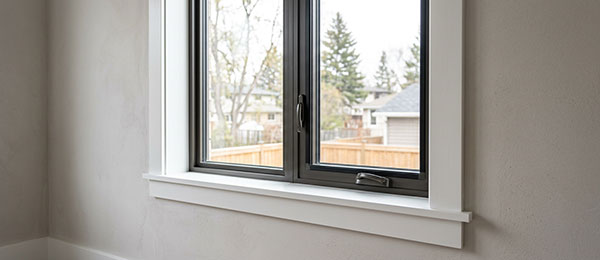
Energy-efficient windows have become a critical component of modern homes, not just for reducing energy bills but for improving overall living conditions. They address one of the most overlooked sources of energy loss, namely heat transfer through glass and frames, while enhancing comfort, durability, and environmental performance. Understanding how these systems work is the first step toward making smarter, long-term decisions for your home. These systems are typically developed by a specialized window manufacturer, where engineering, material selection, and testing are combined to achieve long-term performance.
Key Takeaways
- Energy-efficient windows are designed to reduce heat loss and gain, helping maintain stable indoor temperatures year-round.
- They lower energy bills by reducing the demand on heating and cooling systems.
- Modern designs use advanced glazing, gas fills, and insulated frames to improve performance.
- These windows contribute to better indoor comfort, reducing drafts and cold spots.
- They also support environmental sustainability by lowering greenhouse gas emissions.
- Choosing the right window depends on climate zone, home design, and installation quality.
- Even the most advanced window will underperform if installed incorrectly.
What are energy-efficient windows, and why are they important for modern homes?
You notice it first in winter, when cold air begins to creep in near the glass, even when the heating is running. Or in summer, rooms overheating despite the AC working overtime. That’s often not an HVAC issue. It’s the windows.
Energy-efficient windows are engineered systems designed to minimize heat transfer between indoor and outdoor environments. Unlike traditional windows, they are designed not only to close an opening but also to improve thermal performance.
What makes a window energy-efficient?
At a technical level, energy-efficient windows combine several components:
- Double or triple glazing (multiple panes of glass)
- Low-emissivity (Low-E) coatings that reflect heat
- Gas fills (argon or krypton) between panes for insulation
- Insulated frames made of vinyl, fibreglass, or composite materials
- Advanced sealing systems to reduce air leakage
Each element plays a role, but the real performance comes from how they work together as a system.
Insulation and energy savings
Windows are one of the largest sources of energy loss in a home. According to Natural Resources Canada (NRCan), inefficient windows can account for up to 25% of total heat loss in residential buildings.
What’s the result when you upgrade?
- Reduced heating demand in winter
- Lower cooling costs in summer
- More consistent and stable indoor temperatures
The impact is significant and measurable over time. Over time, homeowners often notice:
- Fewer temperature fluctuations between rooms
- Less reliance on thermostats
- Reduced strain on HVAC systems
The actual performance of these systems also depends on sourcing, as a reliable window supplier ensures that products meet verified efficiency standards and are suitable for specific climate conditions.
Comfort improvements you actually feel
Energy efficiency is not only about numerical performance, but also about how a home feels.
With high-performance windows:
- Cold drafts are minimized, especially near window edges
- Interior glass surfaces stay warmer in winter, reducing condensation
- Noise reduction improves, thanks to multiple panes and tighter seals
An additional benefit often overlooked is that sunlight still enters the space while heat gain remains controlled. That balance matters.
Environmental impact
Now, an important point. Homes consume a significant portion of Canada's energy, especially for heating. By reducing energy demand, energy-efficient windows directly contribute to:
- Lower greenhouse gas emissions
- Reduced fossil fuel consumption
- Improved overall building sustainability
In practical terms, installing energy-efficient windows is one of the most accessible upgrades for reducing a home’s carbon footprint.
As seasoned engineer Sergey Essipov, with over 20 years of experience in window manufacturing, explains:
“Energy-efficient windows are not just about insulation — they are about controlling how energy moves through your home. The difference between standard and high-performance glazing can be felt immediately in comfort and seen over time in energy savings.”
This reflects a broader industry shift — from basic construction materials to performance-driven building components.
How do high-efficiency windows reduce energy loss in your home?
Let’s break it down step by step, because energy loss through windows isn’t caused by a single factor. It’s a combination of heat transfer, air leakage, and material limitations.
Step 1: Understanding heat transfer
There are three main ways heat moves through windows:
- Conduction – heat passes through the glass and frame
- Convection – air movement between panes or around the window
- Radiation – heat transfer via infrared energy (sunlight or indoor heat escaping)
Energy-efficient windows are designed to interrupt all three processes.
Step 2: Multi-pane glazing reduces conduction
Single-pane windows offer almost no insulation. Double or triple glazing creates barriers that slow heat movement.
- Double-pane windows: one insulating air or gas layer
- Triple-pane windows: two insulating layers, significantly improving performance
The more layers, the harder it is for heat to pass through.
Step 3: Gas fills improve insulation
Between panes, manufacturers often use:
- Argon gas – cost-effective and widely used
- Krypton gas – higher performance in thinner spaces
These gases are denser than air, which reduces heat transfer and improves overall insulation.
Step 4: Low-E coatings control radiation
Low-emissivity coatings are microscopically thin layers applied to glass. They:
- Reflect heat back inside during winter
- Block excessive solar heat in summer
- Allow visible light to pass through
This means your home stays bright — but not overheated.
Step 5: Air sealing prevents leakage
Even the best glass won’t help if air leaks around the frame.
High-efficiency windows use:
- Precision-engineered seals
- Multi-point locking systems
- Tight installation tolerances
This reduces drafts and prevents uncontrolled air exchange.
Step 6: Performance metrics — U-factor and R-value
To measure efficiency, two key metrics are used:
- U-factor: measures how much heat passes through a window
Lower values = better insulation - R-value: measures resistance to heat flow
Higher values = better performance
According to ENERGY STAR Canada guidelines:
- High-performance windows typically have low U-factors (around 1.0 W/m²·K or lower)
- Triple-pane systems can significantly outperform standard double-pane units
Why this matters in real homes
This translates directly into a more predictable, comfortable, and energy-efficient living environment throughout the year.
When all these elements are combined:
- Heat stays inside during winter
- Heat stays outside during the summer
- Indoor climate becomes more stable
And importantly, the system operates passively and requires no additional energy, so comfort is maintained without constant adjustments or increased energy consumption.
What is the difference between standard windows and energy-saving windows?

At first glance, most windows look similar. Glass, frame, opening mechanism — nothing unusual. But performance-wise, the difference is significant.
Core differences explained
Standard windows, particularly older models, typically include:
- Single or basic double-pane glass
- Aluminum or poorly insulated frames
- Minimal sealing technology
Energy-saving windows, on the other hand, are engineered systems built for performance.
Comparison table
| Feature | Standard Windows | Energy-Efficient Windows |
| Glazing | Single or basic double-pane | Double or triple-pane with gas fills |
| Coatings | None | Low-E coatings for heat control |
| Insulation | Low | High thermal resistance |
| Air Leakage | Higher | Minimal due to advanced sealing |
| U-factor | Higher (worse performance) | Lower (better insulation) |
| Comfort | Drafts, cold spots | Stable temperatures |
| Energy Costs | Higher over time | Reduced heating/cooling costs |
| Environmental Impact | Higher emissions | Lower carbon footprint |
Long-term cost perspective
From a long-term cost perspective, the difference becomes more apparent. Standard windows may cost less upfront, but:
- They increase heating and cooling expenses
- They can lead to condensation and moisture issues
- They often require replacement sooner
Energy-efficient windows:
- Have a higher initial investment
- But deliver long-term savings through reduced energy use
- Increase property value and resale appeal
In the long run, the higher upfront cost is offset by consistent savings, improved durability, and greater overall value for the homeowner.
Different angles to consider
From a homeowner’s perspective:
You gain comfort, lower bills, and fewer maintenance issues.
From a builder’s perspective:
Energy-efficient windows help meet modern building codes and efficiency standards.
From an environmental standpoint:
They reduce overall energy demand — a critical factor in sustainable construction.
From a manufacturing standpoint:
The focus shifts toward precision engineering, material quality, and performance testing rather than just basic production.
How can you identify high-efficiency windows before buying?
Selecting energy-efficient windows is not based on appearance. Performance is verified through standardized labels, certifications, and measurable data.
Understanding ENERGY STAR® certification in Canada
In Canada, the most recognized benchmark is ENERGY STAR®, administered by Natural Resources Canada (NRCan). Windows that meet this standard are tested for thermal performance and must comply with specific climate zone requirements.
ENERGY STAR-certified windows:
- Are tested under standardized conditions
- Meet strict thresholds for insulation and solar control
- Are adapted to Canadian climate zones (from mild to very cold)
This matters because a window suitable for British Columbia, especially in cities like Vancouver, may not perform adequately in colder regions such as Alberta or Calgary, where winter conditions are significantly more demanding.
Key labels and what they mean
When evaluating windows, you will typically see a label from the National Fenestration Rating Council (NFRC) or equivalent Canadian standards.
Important metrics include:
- U-factor
Measures heat transfer. Lower values indicate better insulation. - Solar Heat Gain Coefficient (SHGC)
Indicates how much solar radiation enters the home. Lower values reduce overheating; higher values can help with passive heating. - Air leakage (AL rating)
Reflects how much air passes through the window assembly. Lower is better. - Visible transmittance (VT)
Measures how much natural light enters through the glass.
These values allow direct comparison between products, regardless of brand.
Step-by-step: how to verify a window’s efficiency
Before purchasing, follow a structured evaluation:
- Check for ENERGY STAR® certification
Ensure the product is approved for your specific Canadian climate zone. - Review the U-factor
In Ontario, high-performance windows typically have a U-value of around 1.0 W/m²·K or lower. - Assess glazing type
Look for double or triple-pane glass with argon or krypton gas fills. - Confirm the presence of Low-E coating
This is essential for controlling heat transfer and solar gain. - Evaluate frame materials
Vinyl, fibreglass, or composite frames offer better insulation than aluminum. - Ask for performance documentation
Reputable manufacturers provide detailed specifications and test data.
Why certification matters
Without standardized testing, performance claims are difficult to verify. ENERGY STAR® and NFRC labels ensure that:
- Data is independently tested
- Products meet minimum efficiency thresholds
- Consumers can compare options objectively
This transforms window selection from guesswork into a measurable decision.
What factors should you consider when choosing energy-saving windows?
Window performance is not universal. The right solution depends on multiple variables, and overlooking even one can reduce overall efficiency.
Climate and regional conditions
Canada’s climate varies significantly, and window selection must reflect that.
In colder regions like Ontario:
- A lower U-factor is critical for insulation
- Triple-pane glazing is often recommended
- Heat retention becomes the primary objective
In contrast, regions with higher summer temperatures may require better solar control.
Budget versus long-term performance
Initial cost is often a deciding factor, but it should be evaluated alongside lifecycle performance.
Consider the following:
- Lower-cost windows may have higher U-factors and shorter lifespans
- High-efficiency windows reduce energy bills over time
- Better materials typically require less maintenance
A balanced approach includes:
- Upfront investment
- Expected energy savings
- Durability and warranty coverage
Glass technology and configuration
Not all glazing systems perform equally. The configuration should match the home’s orientation and usage.
Key considerations include:
- Double vs triple glazing
Triple-pane offers superior insulation, especially in colder climates - Gas fills
Argon is standard; krypton provides higher performance in compact spaces - Low-E coatings
Different coatings are optimized for heating or cooling performance
Frame selection also plays a role, and vinyl windows are often preferred in colder climates for their insulating properties and resistance to heat transfer.
Home design and orientation
Window placement affects energy performance significantly.
- South-facing windows can contribute to passive solar heating
- North-facing windows benefit from higher insulation values
- Large glass areas require careful SHGC balancing
This is particularly relevant in modern homes with expansive glazing.
Installation quality and manufacturer support
Even high-performance windows will not deliver expected results without proper installation.
Working with a reliable manufacturer or supplier ensures:
- Access to custom-sized, performance-tested windows
- Compatibility between product design and installation methods
- Technical guidance throughout the selection process
A window is not an isolated product. It is part of a complete building system.
How important is proper installation for window efficiency?

Window performance does not end at manufacturing. Installation directly determines whether the product achieves its rated efficiency.
The impact of installation on energy performance
Even minor gaps or misalignments can lead to:
- Air leakage
- Moisture infiltration
- Reduced insulation performance
According to building science research from sources such as the Canada Mortgage and Housing Corporation (CMHC), poor installation can significantly reduce the effectiveness of high-performance windows, sometimes negating their efficiency benefits entirely.
Where problems typically occur
Installation issues are often not visible immediately. Common problem areas include:
- Improper sealing around the frame
- Gaps between the window and wall assembly
- Incorrect flashing, leading to water intrusion
- Structural misalignment affects long-term durability
These issues may develop into:
- Drafts
- Condensation
- Increased heating costs
Professional installation vs DIY
While DIY installation may seem cost-effective, it introduces risk, particularly with modern high-efficiency systems.
Professional installers:
- Follow manufacturer specifications precisely
- Use appropriate insulation materials (foam, membranes, sealants)
- Ensure airtight and watertight integration with the building envelope
DIY approaches often lack:
- Specialized tools
- Knowledge of building codes
- Experience with sealing systems
A broader perspective
From different angles, installation plays distinct roles:
- For homeowners: ensures comfort and prevents long-term issues
- For manufacturers: protects product integrity and warranty validity
- For energy efficiency goals: ensures actual, not theoretical, performance
In practice, investing in professional installation is not an added cost — it is a necessary component of achieving the expected energy savings.
How long do high-efficiency windows last, and are they worth the investment?
Durability in window systems is not defined solely by how long the unit remains intact. It is defined by how long it maintains thermal performance, airtightness, and structural stability under real operating conditions.
Expected lifespan and performance stability
Modern high-efficiency windows typically have a service life of 20 to 30 years, depending on materials, build quality, and environmental exposure. This range reflects not only physical durability but also the expected lifespan of sealed glazing units.
The longevity of these systems depends on several technical factors:
- Quality of the insulated glass unit (IGU) seals, which retain insulating gases such as argon
- Resistance of frame materials to thermal expansion, UV exposure, and moisture
- Precision of manufacturing, particularly in multi-pane configurations
When seals remain intact, the window continues to perform as designed. If a seal fails, insulating gas can escape, and thermal efficiency declines gradually rather than suddenly.
Maintenance and durability considerations
Although high-efficiency windows are engineered for low maintenance, their performance benefits from periodic inspection. This is particularly relevant in climates with significant seasonal variation, such as Ontario.
Recommended practices include:
- Inspecting weatherstripping and seals for signs of wear
- Ensuring drainage systems remain unobstructed to prevent moisture accumulation
- Verifying that hardware maintains proper compression when closed
These measures do not require intensive effort, but they contribute directly to preserving airtightness and insulation performance over time.
Return on investment from an energy perspective
Space heating is one of the largest energy demands in Canadian households. Windows, as part of the building envelope, play a measurable role in this overall energy consumption.
High-efficiency windows reduce energy demand by:
- Limiting heat loss during the winter months
- Controlling solar heat gain during summer
- Stabilizing indoor temperatures, reducing HVAC cycling
The financial return is therefore cumulative. Rather than immediate payback, the benefit is realized through consistent reductions in energy use over the product's lifespan.
In colder regions, where heating loads are significant, the return tends to be more pronounced. Over time, reduced operational costs can offset the initial investment, particularly when replacing outdated or single-pane systems.
Manufacturing perspective on long-term value
From a production standpoint, durability is inseparable from performance. Manufacturers typically emphasize system integrity, where each component contributes to long-term efficiency.
As engineer Sergey Essipov, with two decades of experience in window manufacturing, notes:
“A high-efficiency window must maintain its performance for decades, not just meet specifications at installation. Durability of seals, frame stability, and glass integrity are what define real value over time.”
This aligns with current industry standards, in which lifecycle performance is considered a fundamental metric rather than an added benefit.
Are they worth the investment?
When evaluated across technical, financial, and environmental dimensions, high-efficiency windows represent a performance-driven investment. Their value lies in:
- Sustained energy savings
- Improved indoor environmental quality
- Reduced long-term maintenance and replacement frequency
The conclusion is supported not by assumptions, but by measurable outcomes over the operational lifespan of modern window systems.
What are the most common myths about energy-efficient windows?
Misconceptions surrounding energy-efficient windows often stem from earlier product generations or simplified interpretations of performance data. Addressing these myths requires examining both technical evidence and practical outcomes.
Misconception 1: Energy-efficient windows are primarily about cost savings
While reduced energy bills are a measurable benefit, they do not fully capture the impact of high-performance windows. Thermal comfort and indoor climate stability are equally important outcomes.
Energy-efficient windows contribute to:
- Reduced temperature gradients near window surfaces
- Lower incidence of condensation
- Improved acoustic insulation in urban environments
These factors affect daily living conditions in ways that extend beyond financial considerations.
Misconception 2: Any double-pane window qualifies as energy-efficient
This assumption overlooks critical differences in glazing technology. A standard double-pane unit without Low-E coatings or gas fills does not achieve the same level of performance as a modern insulated system.
Key distinctions include:
- Presence of Low-emissivity coatings, which regulate radiant heat transfer
- Use of argon or krypton gas, which enhances insulation
- Quality of sealing, which determines long-term performance stability
Without these elements, the improvement over older windows is limited.
Misconception 3: Energy-efficient windows eliminate heat transfer entirely
From a building science perspective, complete elimination of heat transfer is not possible. All materials allow some degree of thermal exchange.
However, high-efficiency windows are designed to reduce heat transfer to controlled and minimal levels, which significantly improves overall building performance. The objective is optimization, not elimination.
Misconception 4: Installation has minimal impact on efficiency
This belief is not supported by building science research. Improper installation can compromise even the most advanced window systems.
Typical consequences include:
- Air leakage around the frame
- Thermal bridging between materials
- Moisture infiltration leading to long-term damage
In such cases, the window's theoretical performance is not achieved in practice.
Misconception 5: Modern homes do not require high-efficiency windows
Although building codes have improved insulation standards, windows remain one of the most sensitive components of the building envelope.
Upgrading to high-efficiency windows ensures that:
- The building envelope performs consistently
- Energy losses are minimized at critical points, such as openings
- Indoor conditions remain stable across seasons
Conclusion: How do you choose the most energy-efficient windows for your home?
Choosing the most energy-efficient windows is not about selecting a single feature, but about evaluating the entire system — glazing, gas fills, coatings, frame materials, and verified performance metrics. The right decision comes from aligning these technical factors with your climate, home design, and long-term performance expectations, rather than focusing only on upfront cost.
Equally important, even the most advanced window will only perform as intended when properly installed and matched to your building envelope. When all elements work together, energy-efficient windows deliver measurable benefits: stable indoor comfort, reduced energy consumption, and lasting value over decades.
Frequently Asked Questions
What are energy-efficient windows in simple terms?
Energy-efficient windows are specially designed window systems that reduce heat transfer between the inside and outside of a home. They help keep heat inside during winter and outside during summer, improving comfort and lowering energy use.
Do energy-efficient windows really reduce energy bills?
Yes. By minimizing heat loss and heat gain, these windows reduce the workload on heating and cooling systems. Over time, this leads to noticeable savings on energy bills, especially in climates with extreme temperatures.
How much heat can be lost through inefficient windows?
Inefficient windows can account for up to 25% of a home's total heat loss. This makes them among the most critical areas to upgrade to improve overall energy efficiency.
What is the difference between double-pane and triple-pane windows?
- Double-pane windows have two layers of glass with an insulating space between them.
- Triple-pane windows include three layers and two insulating spaces.
Triple-pane windows provide better insulation and are more effective in colder climates, but they typically cost more.
How do I know if a window is energy-efficient before buying?
Look for:
- ENERGY STAR® certification
- Low U-factor
- Low air leakage rating
- Double or triple glazing with gas fills
- Presence of Low-E coatings
These indicators confirm that the window meets performance standards.
Are energy-efficient windows worth the investment?
Yes. While they cost more upfront, they provide long-term value through:
- Lower energy bills
- Improved comfort
- Increased property value
- Reduced maintenance
The return on investment becomes more evident over time.
How long do energy-efficient windows last?
High-quality energy-efficient windows typically last 20 to 30 years, depending on materials, installation quality, and environmental conditions.