A Canadian windows manufacturer with the production capability to deliver custom configurations is not just a technical decision but a key factor in shaping a home’s overall character. Cottage windows offer a way to introduce architectural distinction and visual interest, but selecting the right option requires a balanced approach that considers both design intent and long-term performance.
Key Takeaways
- Cottage windows are defined by their asymmetrical design, combining a multi-pane upper sash with a single-pane lower sash to create a distinct architectural look.
- They offer a balance between traditional aesthetics and modern performance, integrating advanced glazing, insulation, and durable materials.
- Multiple window types, including single-hung, double-hung, casement, and bay or bow, can be adapted to cottage styling depending on ventilation and design needs.
- Material selection, particularly vinyl, plays a key role in energy efficiency, durability, and suitability for Canada's climate.
- Energy performance depends on glazing technology, frame construction, and installation quality rather than the window style itself.
- A structured approach to proportions, materials, and installation ensures long-term value, improved efficiency, and stronger curb appeal.
What Are Cottage Windows and How Do They Differ from Standard Windows?
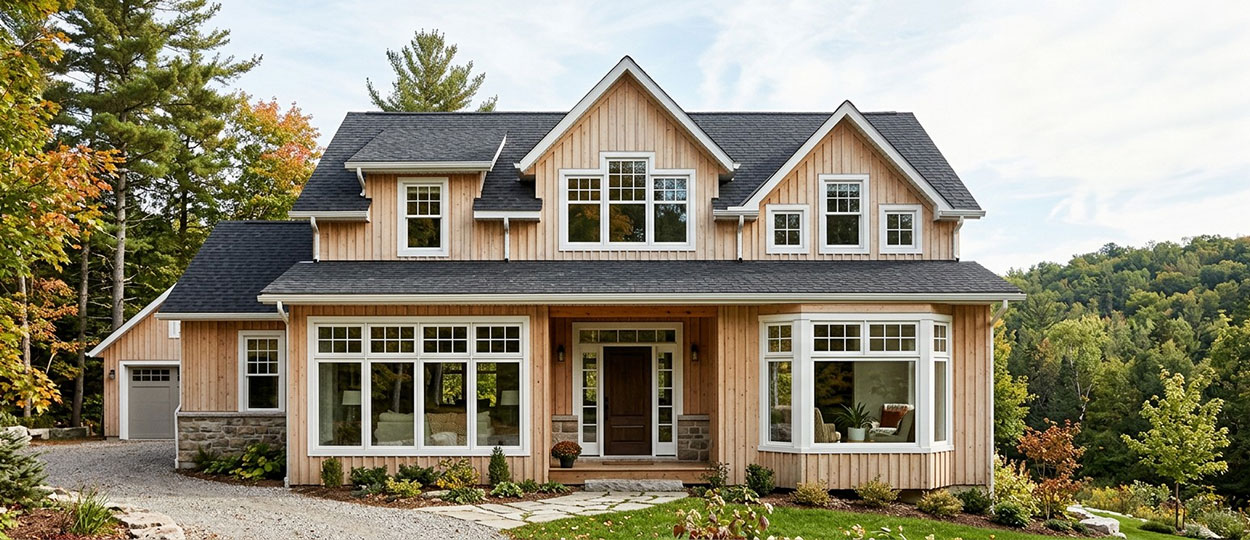
Cottage windows are not defined by a completely different construction method but rather by a distinct visual configuration. The most recognizable feature is the asymmetrical pane design, in which the upper sash is divided into smaller panes, while the lower sash remains a single, unobstructed glass panel. This creates a visually weighted upper section that contrasts with the balanced symmetry of standard window designs.
From a manufacturing perspective, companies approach cottage windows as a variation of traditional window systems rather than a separate product category. The structural components, frames, glazing units, and hardware remain consistent with modern standards, but the grille patterns and sash proportions are customized to achieve the cottage aesthetic.

Asymmetrical Pane Design Explained
The defining feature of cottage windows lies in how the glazing is divided:
- Upper sash: Typically split into multiple small panes using muntins or simulated divided lites
- Lower sash: A single large pane to maximize visibility and daylight
- Visual effect: A combination of traditional craftsmanship with improved outward views
This configuration serves both aesthetic and practical purposes. The smaller panes historically made it easier to replace glass when large sheets were not available. Today, they are mostly decorative but continue to influence architectural identity.
Historical Background and Evolution
Cottage windows trace back to rural homes in the United Kingdom and early North American settlements. Limited glass manufacturing capabilities meant that windows were assembled from smaller pieces, resulting in the multi-pane upper sash design.
Early window designs were directly influenced by material constraints and local craftsmanship. Over time, this necessity became a stylistic hallmark, particularly in cottage, farmhouse, and colonial-style homes.
Modern manufacturing has removed those limitations, yet the design persists due to its cultural and architectural value. Contemporary versions now integrate:
- Double or triple glazing for insulation
- Low-emissivity (Low-E) coatings for energy efficiency
- Durable frame materials such as vinyl, fibreglass, or aluminum
Comparison with Standard Windows
Standard windows typically follow a symmetrical design, where both sashes mirror each other in size and pane division. This creates a uniform, modern appearance suited for contemporary architecture.
Key differences include:
| Feature | Cottage Windows | Standard Windows |
| Pane Layout | Asymmetrical (multi-pane top, single bottom) | Symmetrical (matching panes) |
| Visual Style | Traditional, decorative | Modern, minimalistic |
| Historical Influence | Strong | Limited |
| Light Distribution | May appear slightly segmented due to upper grille patterns | Even and unobstructed |
| Architectural Fit | Heritage, cottage, farmhouse | Contemporary, urban |
From a performance standpoint, both window types can achieve similar energy efficiency when manufactured using modern technologies. The distinction lies primarily in design intent rather than functionality.
As Sergey Essipov, a seasoned engineer with over 20 years in window manufacturing, explains:
On our production line, a cottage window goes through the same fusion-welding, glazing, and quality control process as any other unit. The difference is not in how it performs, but in how it interacts with the architecture. Cottage windows are chosen to complement a design language, not to solve a technical limitation — and our job as manufacturers is to make sure the aesthetic customization doesn't compromise the thermal performance.
Why Are Cottage Style Windows Popular in Modern Home Design?
The resurgence of cottage-style windows in modern architecture reflects a broader shift toward personalized and character-driven design. While minimalism dominated for years, current trends emphasize texture, contrast, and historical references.
Aesthetic Value and Architectural Identity
Cottage windows introduce a level of visual complexity that standard designs often lack. The asymmetry creates:
- A focal point on the façade
- A sense of craftsmanship and detail
- Compatibility with mixed-material exteriors such as wood, stone, and brick
Architectural trend analyses highlight a growing preference for “modern heritage” design, in which traditional elements are reinterpreted with contemporary materials.
Natural Light and Interior Atmosphere
Although the upper sash contains multiple panes, the large lower sash ensures that natural light penetration remains high. The divided upper section creates a visual diffusion effect without significantly reducing light levels, reducing glare without significantly impacting brightness.
This balance is particularly valued in:
- Living rooms and kitchens
- Spaces with direct sunlight exposure
- Homes aiming for a warm, diffused lighting effect
Urban vs Rural Appeal
Interestingly, cottage windows are no longer limited to rural settings. Their application varies depending on the environment:
- Rural homes: Reinforce traditional aesthetics and blend with natural surroundings
- Urban homes: Provide contrast against modern structures, adding character to otherwise uniform streetscapes
In cities, developers increasingly incorporate cottage-style elements to differentiate properties in competitive markets, especially in coastal regions like British Columbia, where homeowners often turn to an experienced window company in British Columbia for design-focused solutions.
Compatibility with Modern Window Technology
A critical factor behind their popularity is the ability to combine traditional design with advanced performance. Modern cottage windows can include:
- Energy-efficient glazing systems compliant with Canadian standards
- Weather-resistant sealing for harsh climates
- Sound insulation for urban environments
This ensures that cottage windows remain both a practical and stylistically relevant choice.
At Window Force, cottage-style grille configurations are available across both our Ultraslim and Classic Series product lines. Each unit is custom-manufactured at our 80,000 sq ft Toronto facility, with the same CSA-certified frame construction and ENERGY STAR-rated glazing used in our standard window systems.

What Types of Cottage Windows Are Available for Homeowners?
Cottage-style design can be applied to several window types, each offering different operational benefits. The choice depends on ventilation needs, space constraints, and architectural goals.
Single-Hung Cottage Windows
Single-hung windows are one of the most common formats for cottage styling. In this configuration, the upper sash is fixed, while the lower sash is operable.
Advantages include:
- Simpler mechanism, which reduces maintenance
- Lower cost compared to more complex systems
- Good energy efficiency due to fewer moving parts
However, ventilation is limited to the lower portion, which may not be ideal for all rooms.
Double-Hung Cottage Windows
Double-hung windows allow both sashes to move, making them more versatile.
Key benefits:
- Improved airflow through top and bottom openings
- Easier cleaning, especially with tilt-in sashes
- Better suitability for multi-storey homes
The cottage design is applied by modifying the grille pattern in the upper sash while maintaining operational flexibility.
Casement Cottage Windows
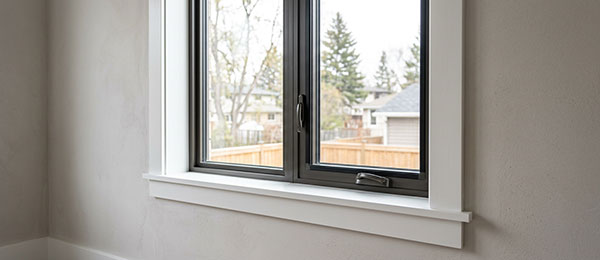
Casement windows open outward using a crank mechanism and can also incorporate cottage-style grille patterns.
Characteristics:
- Excellent ventilation due to full opening
- Tight sealing when closed, enhancing energy efficiency
- Clear outward views when the window is open
These are often used in areas where airflow is a priority, such as kitchens or bathrooms.
Bay and Bow Cottage Windows
For homeowners seeking a more pronounced architectural feature, bay or bow windows can be adapted to cottage styling.
They provide:
- Expanded interior space
- Panoramic views
- Increased natural light from multiple angles
However, installation is more complex and requires careful structural planning.
Comparison Table: Cottage Window Types
| Window Type | Ventilation | Maintenance | Cost Level | Best Use Case |
| Single-Hung | Moderate | Low | Lower | Bedrooms, budget-conscious projects |
| Double-Hung | High | Moderate | Medium | Living areas, multi-storey homes |
| Casement | Very High | Moderate | Medium | Kitchens, bathrooms |
| Bay/Bow | High | Higher | Higher | Feature walls, living rooms |
Choosing the Right Option
Selecting the appropriate type involves balancing design and functionality. Factors to consider include:
- Climate conditions in Canada, particularly the insulation requirements
- Room purpose and ventilation needs
- Architectural style of the home
Cottage styling can be adapted across multiple window systems without compromising performance, allowing homeowners to maintain both design consistency and technical efficiency.
Which Materials Are Best for Cottage Windows and Why?
Material selection directly affects how cottage windows perform in Canada’s climate, particularly for homeowners considering replacement windows in Alberta, where temperature extremes require stable materials that offer reliable insulation and durability. While several options are available, vinyl stands out as the most practical and widely used solution for modern homes.

Vinyl Windows: The Most Efficient and Low-Maintenance Option
Vinyl is the dominant choice because it delivers strong performance without added complexity or cost. Its non-conductive structure helps reduce heat loss, while multi-chambered frames improve insulation and energy efficiency.
Key advantages of vinyl windows include:
- Excellent thermal performance for cold climates
- Resistance to moisture, rot, and corrosion
- No need for painting or ongoing maintenance
- More affordable compared to wood or fibreglass
For cottage-style windows, vinyl works especially well since typical sizes do not require extreme structural strength, allowing homeowners to maximize efficiency without trade-offs.
Window Force's vinyl cottage windows are built using lead-free uPVC with multi-chamber profiles and fusion-welded corners for structural integrity. Combined with our dual-seal warm-edge spacer system, these units deliver the same thermal performance as our standard product lines while accommodating the distinctive grille patterns that define cottage styling.
Other Materials (Brief Overview)
Other materials may be suitable in specific cases, but come with compromises:
- Wood: Strong visual appeal and traditional look, but requires regular maintenance and is sensitive to moisture
- Aluminum: Durable and modern, but less energy efficient due to heat conductivity
- Fibreglass: High performance and stability, but at a significantly higher cost
Overall, vinyl offers the best balance of performance, durability, and cost, making it the most practical choice for most cottage window applications.
From an engineering standpoint, Sergey Essipov notes:
Material selection should always reflect climate conditions and expected lifespan. At our facility, we've manufactured vinyl windows for Canadian homes since 2007, and the consistency of performance we see across thousands of units confirms that in colder regions, thermal performance and dimensional stability are not optional — they are essential.
How Do You Choose the Right Cottage Windows for Your Home Style?
Selecting cottage windows involves more than choosing a product category. It requires aligning the design proportions, materials, and finishing details with the home's architectural identity. The process is both technical and visual, and it benefits from a structured approach.
Step-by-Step Selection Process
A systematic method ensures that no critical factor is overlooked.
1. Evaluate the architectural style
Begin by identifying the dominant style of the home. Cottage windows work best in:
- Traditional and farmhouse designs
- Craftsman-style homes
- Transitional architecture combining classic and modern elements
2. Define the correct proportions
The asymmetry of cottage windows must be carefully balanced. The ratio between upper and lower sashes affects the visual outcome. A poorly proportioned window can disrupt the façade rather than enhance it.
3. Select appropriate materials
Material choice should reflect both aesthetics and environmental conditions. For example:
- Wood complements historic homes
- Vinyl suits modern efficiency-focused builds
- Fibreglass supports long-term durability
4. Choose grille patterns and configurations
Grille design is central to cottage windows. Common configurations include:
- 4-over-1
- 6-over-1
- Custom patterns based on architectural detailing
The selection should align with other exterior elements, such as doors and trim.
5. Coordinate colours and finishes
Colour selection must integrate with siding, roofing, and surrounding materials. Neutral tones are often used for consistency, while darker frames can create contrast in modern interpretations.
Design Considerations for Cohesive Results
Achieving a cohesive look requires attention to detail beyond the window unit itself. Several factors influence the final appearance:
- Frame thickness and profile: Thicker frames emphasize traditional design, while slimmer profiles lean modern
- Glass type: Clear glass maximizes light, while textured or tinted glass can add privacy
- Hardware finishes: Subtle but important for overall consistency
Professional manufacturers typically offer customization options that allow these variables to be adjusted without compromising performance.
A well-selected cottage window should not appear as an added feature. Instead, it should integrate seamlessly into the structure, reinforcing the architectural language.
Are Cottage Windows Energy Efficient and How Can You Improve Performance?
Energy efficiency is often misunderstood in the context of cottage windows. The asymmetrical design does not inherently reduce performance. Efficiency depends on glazing technology, frame construction, and installation quality.

Energy Performance and Ratings
In Canada, window efficiency is commonly evaluated using metrics such as:
- U-factor, which measures heat transfer
- Solar Heat Gain Coefficient (SHGC), indicating how much solar radiation passes through
- ENERGY STAR® certification, which sets performance benchmarks
According to Natural Resources Canada, ENERGY STAR-certified windows can significantly reduce heating and cooling costs when properly installed.
Modern cottage windows can meet these standards through advanced manufacturing techniques, including:
- Double or triple glazing
- Argon or krypton gas fills the spaces between panes
- Low-emissivity (Low-E) coatings
Step-by-Step Ways to Improve Performance
Improving energy efficiency involves both product selection and installation practices.
1. Choose high-performance glazing
Double glazing is standard, but triple glazing provides better insulation in colder climates.
2. Ensure proper sealing and installation
Even the best window will underperform if poorly installed. Air leakage around the frame can significantly reduce efficiency.
3. Use insulated frames
Multi-chamber vinyl or fibreglass frames enhance thermal resistance.
4. Add weatherproofing elements
Weatherstripping and high-quality seals prevent drafts and moisture infiltration.
5. Consider window placement
Strategic placement can optimize solar gain in winter while minimizing overheating in summer.
Long-Term Performance Considerations
Energy efficiency is not static. Over time, factors such as seal degradation and material expansion can affect performance. This is why material stability and manufacturing quality are critical.
Cottage windows produced with modern technologies can achieve the same efficiency levels as standard windows, provided they meet current regulatory standards and are installed correctly.
Window Force backs this performance commitment with a structured warranty — 100% coverage for the first 25 years — and our CSA certification confirms that every cottage-style unit meets the same quality and safety standards as our entire product line.
What Are the Standard Sizes and Customization Options for Cottage Windows?
Window sizing is often underestimated during planning, yet it directly affects installation quality, insulation performance, and overall aesthetics. Cottage windows, with their asymmetrical layout, require precise proportions to maintain both structural integrity and visual balance.
Standard Sizes vs Custom Dimensions
Standard window sizes are designed to align with common structural openings in residential construction. These dimensions enable faster production and lower costs by improving manufacturing efficiency.
Typical standard widths and heights for cottage-style windows follow conventional North American sizing ranges:
- Widths: approximately 24 to 48 inches
- Heights: approximately 36 to 72 inches
These dimensions are compatible with most new builds. However, cottage windows introduce an additional variable, the ratio between upper and lower sashes, which must be carefully maintained even within standard sizes.
Custom windows become necessary in several scenarios. Renovation projects often involve irregular openings, especially in older homes where structural settling or historical construction methods create inconsistencies. In such cases, forcing a standard size can lead to gaps, air leakage, or excessive use of fillers.
When Customization Is the Better Option
Custom sizing is not limited to non-standard openings. It is also used to achieve architectural precision, particularly when the façade requires symmetry across multiple window units.
Situations where custom windows are recommended include:
- Heritage restorations where original proportions must be preserved
- Large feature windows, such as bay or bow configurations
- Homes with unique architectural detailing
From a technical perspective, custom windows allow better control over thermal bridging and sealing, reducing the risk of energy loss.
Measurement Considerations
Accurate measurement is essential before ordering any window. Even small deviations can compromise installation quality.
Professional measurement typically involves:
- Measuring width at three points (top, middle, bottom)
- Measuring height at multiple vertical points
- Accounting for installation clearance to allow proper insulation
Improper sizing is one of the leading causes of air leakage and moisture intrusion in residential windows.
Specification Table: Standard vs Custom Cottage Windows
| Parameter | Standard Windows | Custom Windows |
| Size Availability | Fixed ranges | Fully adjustable |
| Cost | Lower | Higher |
| Production Time | Shorter | Longer |
| Fit Accuracy | Moderate | High |
| Design Flexibility | Limited | Extensive |
| Best Use Case | New builds | Renovations, unique designs |
The choice between standard and custom windows should prioritize structural fit and architectural intent over initial cost considerations.
How Much Do Cottage Windows Cost and What Affects Pricing?
Cottage window pricing is influenced by multiple variables, and focusing on a single factor such as size or material can lead to inaccurate estimates. A comprehensive evaluation includes both product cost and installation complexity, which together determine the total investment.
Cost Breakdown by Key Factors
The cost structure of cottage windows can be divided into several primary components.
Material
Material choice has a significant impact on pricing:
- Vinyl: generally the most cost-effective option
- Wood: higher cost due to material and finishing requirements
- Fibreglass: premium pricing reflecting durability and performance
Size and Configuration
Larger windows require more materials and structural reinforcement. Cottage designs with custom grille patterns may also increase manufacturing complexity.
Glazing Technology
Advanced glazing systems, including triple-pane units with Low-E coatings and gas fills, increase costs but improve energy efficiency.
Installation Requirements
Installation costs vary depending on:
- Accessibility of the opening
- Structural modifications required
- Labour complexity
Additional factors such as regional labour rates and project timelines can also influence the overall installation cost.
Price Range Overview
While exact costs vary by region and specifications, typical ranges in Canada can be summarized as follows:
| Window Type / Material | Average Unit Cost (CAD) | Installed Cost Range (CAD) | Notes |
| Vinyl Cottage Window | 300 – 700 | 600 – 1,200 | Most common, cost-effective |
| Wood Cottage Window | 800 – 1,500 | 1,200 – 2,500 | Premium aesthetic |
| Fibreglass Window | 900 – 1,800 | 1,500 – 3,000 | High durability and efficiency |
| Bay/Bow Cottage Style | 2,500 – 5,000+ | 4,000 – 8,000+ | Complex installation |
These figures reflect current industry averages and may vary depending on customization and project scope.
Sergey Essipov notes:
The initial price is only part of the equation. In our experience manufacturing windows for projects across Ontario, Alberta, and British Columbia, the orders that deliver the best long-term value are the ones where homeowners evaluate performance, maintenance, and energy savings alongside the upfront cost — not after the installation is complete.
Long-Term Value and ROI
Cost should always be evaluated alongside long-term benefits. Higher-quality windows can reduce heating and cooling expenses, particularly in climates with significant seasonal variation.
In addition, durable materials reduce maintenance costs, while proper installation minimizes the risk of repairs. Over time, these factors contribute to a more favourable total cost of ownership.

How Do Cottage Windows Impact Home Value and Curb Appeal?
Cottage windows influence property value through both functional improvements and visual transformation. Their impact extends beyond immediate aesthetics, affecting how a property is perceived in the real estate market.
Visual Impact and Architectural Character
The asymmetrical design of cottage windows introduces a distinctive architectural element that can significantly enhance curb appeal. This is particularly relevant in neighbourhoods where homes follow similar structural patterns.
Key visual benefits include:
- Increased faсade depth and detail
- Stronger alignment with traditional or transitional styles
- Improved balance between solid walls and glazed areas
Real estate studies indicate that exterior improvements are among the most influential factors in shaping buyer perception.
Buyer Perception and Marketability
From a buyer’s perspective, windows serve as both a functional and aesthetic feature. High-quality windows signal:
- Proper maintenance of the property
- Reduced need for immediate upgrades
- Better energy efficiency
Cottage windows, when well-integrated, can differentiate a property in competitive markets by adding character without compromising modern performance.
What Is the Best Final Recommendation for Choosing Cottage Windows?
The most effective strategy is to treat cottage windows as part of a complete building system, where materials, glazing, and installation work together. When these elements are aligned, the result is a solution that delivers:
- Consistent energy performance
- Long-term durability with minimal maintenance
- Architectural coherence that enhances property value
This approach ensures that cottage windows deliver both visual distinction and measurable long-term performance.
Frequently Asked Questions
What are cottage windows, and what makes them different?
Cottage windows are defined by their asymmetrical design, with a multi-pane upper sash and a single-pane lower sash. Unlike standard windows, which are typically symmetrical, they are chosen primarily for their architectural character rather than structural differences.
Are cottage windows energy efficient?
Yes, modern cottage windows can be highly energy efficient. Performance depends on glazing, frame material, and installation quality, not the asymmetrical design. Features like double- or triple-glazing, Low-E coatings, and insulated vinyl frames help meet Canadian energy standards.
Which type of cottage window is best for ventilation?
Casement and double-hung windows provide the best airflow. Casement windows open fully for maximum ventilation, while double-hung windows allow airflow from both the top and bottom.
Do cottage windows cost more than standard windows?
Not necessarily. The cost depends on material, size, glazing, and installation complexity. Vinyl cottage windows are generally the most cost-effective, while wood and fibreglass options are more expensive.
Can cottage windows increase home value?
Yes, they can improve curb appeal and make a property more attractive to buyers. Their distinctive design adds character, helping differentiate a home in competitive real estate markets.