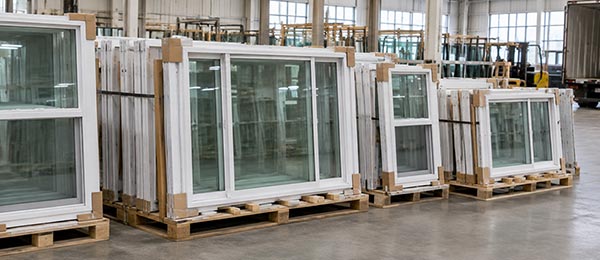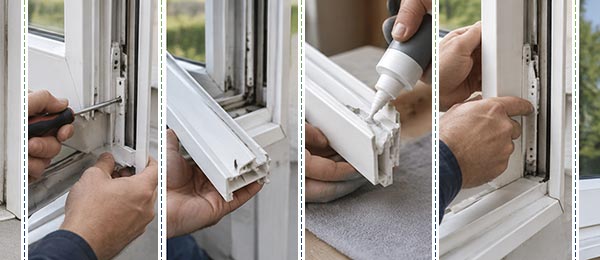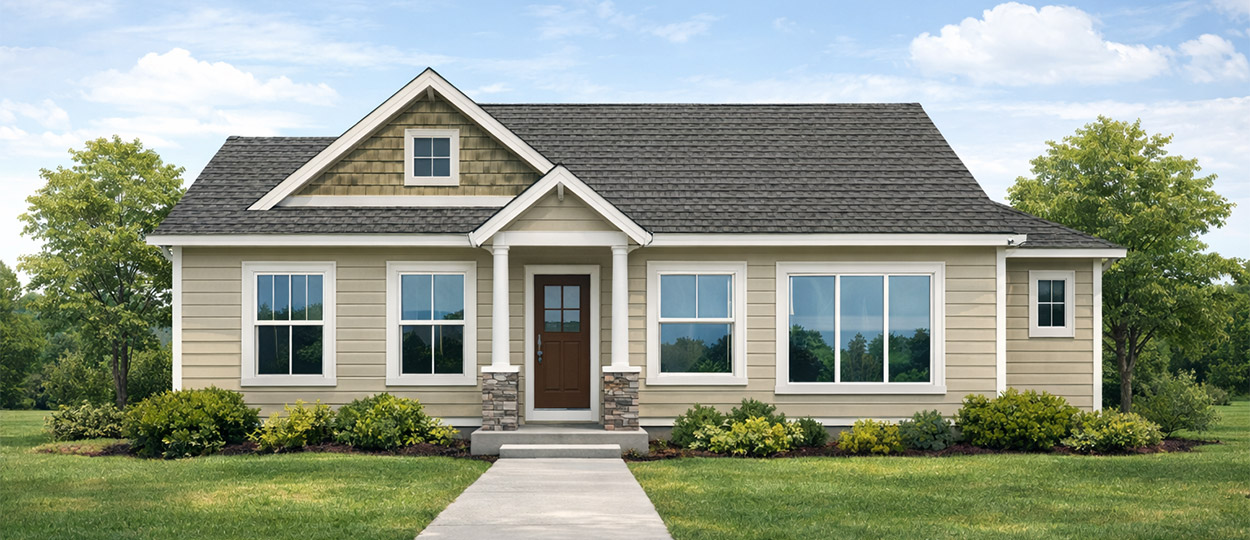


Selecting the right window size is an important part of residential design and construction. Window dimensions influence natural lighting, ventilation, energy efficiency, and the overall architectural balance of a home.
Standard window sizes are widely used in residential construction because they simplify manufacturing, reduce installation complexity, and make future replacements easier. Understanding these common dimensions helps homeowners choose appropriate window sizes for different rooms while maintaining consistent performance and design.
Key Takeaways
- Standard window sizes refer to commonly manufactured dimensions designed to fit typical residential wall openings.
- Most residential double-hung windows range from 24 — 48 inches wide and 36 — 72 inches high, depending on the design and installation requirements.
- Using standardized sizes reduces construction costs, simplifies installation, and improves replacement availability.
- Casement windows in residential homes typically range from 14 — 35 inches wide and 29 — 77 inches high, making them suitable for areas that require strong ventilation, such as kitchens and bathrooms.
- Sliding windows are often larger, commonly ranging from 36 to 84 inches wide and 24 — 60 inches high, which makes them ideal for wide wall openings and modern living spaces.
- Bedroom windows must meet egress requirements, meaning they must provide a minimum opening size for emergency escape, as specified by building codes.
- Living room windows in modern homes are typically larger, such as picture windows, multi-panel windows, or wide sliding units, designed to maximize daylight and outdoor views.
- Bathroom windows are usually smaller and placed higher on the wall to maintain privacy while allowing airflow.
What are the most common standard window sizes used in residential homes?
In residential construction, few components are as carefully standardized as windows. Walk through a modern neighbourhood, and you’ll notice that many homes share similar proportions — windows appear balanced, consistent, and aligned with the structure. That uniformity isn’t accidental. It results from standard window sizing, a practice that simplifies both manufacturing and installation.
When professionals talk about “standard window sizes,” they refer to pre-defined dimensions widely produced by window manufacturers. These dimensions correspond to common wall-opening sizes used in residential construction. Rather than fabricating every window individually, manufacturers create windows that fit these widely accepted measurements, allowing builders to install them efficiently.
Standard window sizes in modern construction
Standard windows are produced according to dimensional frameworks used across North American building practices. These frameworks align with modular building systems, which use consistent measurements when designing structural openings.
The idea is simple: instead of designing each window opening from scratch, architects and builders rely on predictable measurement increments. That approach allows manufacturers to produce windows in batches without sacrificing compatibility.
Standard sizes typically appear as four-digit codes in construction documentation. For example:
- 2436 = 2 feet 4 inches wide × 3 feet 6 inches tall
- 3040 = 3 feet 0 inches wide × 4 feet 0 inches tall
These codes represent the rough opening size — the framed space in the wall where the window will be installed. The actual window unit is slightly smaller to allow for insulation and adjustment during installation.
Seasoned engineer Sergey Essipov, who has 20 years of experience in window manufacturing at Window Force Inc., explains why standard sizing remains essential in modern production:
“Standard window dimensions are not just a manufacturing convenience. They allow engineers to design frames, seals, and glazing systems that perform consistently across thousands of installations while still fitting typical structural openings used in residential construction.”
This standardized system benefits both builders and homeowners:
- Faster manufacturing timelines
- Reduced installation complexity
- Easier replacement years later
And importantly, it maintains consistency in residential architecture.
Standard width ranges
Most residential windows fall within predictable width ranges because wall framing systems are designed around common stud spacing and structural loads.
According to multiple industry guides, typical window widths used in homes include:
- 24 inches
- 28 inches
- 32 inches
- 36 inches
- 40 inches
- 48 inches
These widths work well with structural framing layouts and allow windows to fit easily between wall studs without requiring major modifications.
For example:
- Windows measuring 24 — 28 inches are often used in bathrooms or small bedrooms.
- Windows measuring 32 — 36 inches are common in bedrooms and offices.
- 40 — 48 inch windows are common in living rooms or open living spaces where more natural light is desired.
The wider the window, the greater the potential for daylight and ventilation. However, wider openings must also meet structural requirements, which is why builders rely on predictable width increments.
Standard height ranges
Window height is equally important because it influences daylight, ventilation, and interior design proportions.
Most residential windows typically fall within the following height ranges:
- 36 inches
- 44 inches
- 48 inches
- 52 inches
- 54 inches
- 60 inches
- 62 inches
- 72 inches
These dimensions provide flexibility across different rooms.
For example:
- Heights of 36 — 44 inches are often found in bathrooms or utility areas.
- 48 — 54-inch heights are common in bedrooms and kitchens.
- 60 — 72 inch heights provide expansive views in living rooms.
Height also interacts with building code requirements, particularly for egress windows in bedrooms. Many building codes require windows to provide a minimum clear opening for emergency escape.

Measurement systems used in window manufacturing
In Canada and the United States, window sizes are usually expressed in inches or feet-and-inches, though metric equivalents are sometimes used in manufacturing specifications.
The common representation methods include:
1. Rough opening measurements
The framed space in the wall before the window is installed.
2. Nominal window size
A standardized size used by manufacturers for labeling.
3. Actual frame dimensions
The precise measurement of the window unit itself.
Because the installed window must fit within the rough opening, manufacturers typically make the unit about ½ inch smaller than the opening to allow for adjustments during installation.
Typical residential standard window size table
| Window Type | Typical Width Range | Typical Height Range | Common Applications |
| Double-hung | 24 — 48 in | 36 — 72 in | Bedrooms, living rooms |
| Casement | 14 — 35 in | 29 — 77 in | Kitchens, bathrooms |
| Sliding | 36 — 84 in | 24 — 60 in | Living rooms, patios |
| Picture | 24 — 96 in | 24 — 62 in | Living rooms feature walls |
Data based on residential window sizing guidelines used in North American housing construction.
Why standard sizing still matters today
Even with the availability of custom manufacturing, standard window sizes remain dominant in residential projects.
Why? Because they balance several critical factors:
- manufacturing efficiency
- structural compatibility
- installation simplicity
- long-term replacement availability
As window technology continues to evolve — particularly in areas such as energy-efficient glazing, insulated frames, and airtight construction — standardized dimensions remain the foundation for consistent manufacturing.
These sizing standards are used across many Canadian provinces because they simplify manufacturing and installation regardless of the region. For example, homes in Ontario often follow the same framing conventions used throughout North American residential construction. In practice, this means that standard window dimensions work equally well in Mississauga or Hamilton, as well as in smaller communities like Ajax, Bolton, or Innisfil.
Windows Near Me
What are the typical double hung window sizes used in modern homes?
Among all residential window styles, double-hung windows remain one of the most widely used. Their design is simple yet highly functional: two vertically sliding sashes allow homeowners to open either the top, the bottom, or both.
This configuration provides flexible ventilation, improved airflow control, and easier cleaning compared with many other window styles.
But one reason double-hung windows remain so popular is their compatibility with standard residential window dimensions.
Common dimensions for double-hung windows
Industry data consistently shows that double-hung windows follow predictable measurement ranges.
Most standard double-hung windows fall within the following dimensions:
- Width: 24 — 48 inches
- Height: 36 — 72 inches
Within those ranges, several specific sizes are most frequently found in residential homes.
Examples include:
- 24 × 36 inches
- 24 × 46 inches
- 28 × 54 inches
- 32 × 54 inches
- 32 × 66 inches
These dimensions correspond closely with common rough openings used in home construction.
Typical double-hung window size chart
| Window Size (inches) | Typical Use | Room Examples |
| 24 × 36 | Compact window | Bathrooms, small bedrooms |
| 28 × 44 | Medium window | Bedrooms, hallways |
| 32 × 54 | Tall window | Living rooms, offices |
| 36 × 48 | Very common size | Bedrooms, kitchens |
| 32 × 66 | Large window | Living areas |
These sizes provide flexibility for both traditional and modern home designs.
Why are double-hung windows common in bedrooms
Bedrooms require windows that meet both ventilation needs and building code requirements. In many jurisdictions, bedrooms must include an egress window that allows occupants to exit during an emergency.
Because double-hung windows provide a vertical opening that can meet minimum clearance requirements, they are frequently used in bedroom installations.
In addition, they offer practical advantages:
- controlled airflow through top or bottom openings
- safer ventilation for homes with children
- easier interior cleaning
Their vertical design also complements many architectural styles — from traditional colonial homes to modern residential developments.
Double-hung windows in living spaces
Living rooms and family areas often use larger versions of standard double-hung windows to maximize daylight.
Homeowners frequently combine several double-hung windows side-by-side to create larger glass surfaces while maintaining structural integrity.
This approach offers several benefits:
- improved natural lighting
- enhanced ventilation flexibility
- balanced architectural appearance
It also allows manufacturers to produce larger window assemblies without creating oversized custom frames.
Manufacturing considerations for double-hung windows
For window manufacturers, double-hung windows present unique engineering challenges. The sliding sash system must remain durable, airtight, and easy to operate even after years of use.
Standard dimensions help manufacturers refine key performance features:
- sash balance systems
- weather-sealing components
- frame insulation
- glazing performance
As seasoned engineer Sergey Essipov, with 20 years of experience in window manufacturing at Window Force Inc., notes:
“When window dimensions remain consistent across projects, manufacturers can focus on improving internal components such as balance systems, insulation, and weather sealing instead of redesigning the entire frame for every installation.”
Because the sizes remain consistent across many installations, manufacturers can continuously improve engineering details within those dimensions.
That’s why companies specializing in residential windows focus heavily on optimizing standard double-hung window systems rather than relying solely on custom designs.
And for homeowners, that focus translates into reliable windows that combine durability, energy efficiency, and timeless functionality.
Which casement window sizes are most frequently used in residential design?
Casement windows have become increasingly common in modern residential construction because they provide strong airflow and unobstructed views. Unlike sliding or double-hung windows, casement windows are hinged on one side and open outward using a crank mechanism. This design allows the entire window opening to function as a ventilation area.
Homeowners and builders often choose casement windows for rooms where airflow is essential. Kitchens, bathrooms, and basements often use this style because it captures passing breezes more effectively than other window types. From a manufacturing perspective, casement windows also allow for tight seals and improved energy performance, which is why many modern homes incorporate them alongside other window styles.
For window manufacturers, standardized casement window sizes ensure compatibility with typical wall framing systems while maintaining performance standards.
Typical casement window width ranges
Casement windows are generally narrower than many other residential window types. Their hinged design requires balanced proportions to ensure the sash opens smoothly and remains structurally stable.
Industry references indicate that most residential casement windows range from approximately 14 to 35 inches wide, depending on the configuration. These widths allow casement windows to fit easily within standard framing systems and wall openings.
Common width ranges include:
- 14 — 20 inches — narrow casement windows are often used in bathrooms or tight wall spaces
- 20 — 30 inches — standard single-panel casement windows commonly installed in kitchens
- 30 — 35 inches — wider casement windows typically used in living spaces or paired installations
Wider openings often use multiple casement windows installed side by side. This approach allows homeowners to achieve larger glass areas without compromising the hinge mechanism or the frame's structural integrity.
Typical casement window height ranges
Casement windows also vary in height depending on the location in the home and the desired amount of daylight.
Building product guides indicate that casement windows typically range from about 29 to 77 inches in height. Lower heights are often used for small functional areas, while taller casement windows can provide expansive views.
Typical height categories include:
- 29 — 40 inches — common for bathrooms or basements
- 40 — 60 inches — widely used in kitchens and standard living spaces
- 60 — 77 inches — taller casement windows are used in modern homes to maximize natural light
Because casement windows open outward, the sash height also determines how far the window projects when open. Designers often consider exterior space and exposure to weather when selecting taller casement windows.
Why are casement windows effective for ventilation
One of the defining advantages of casement windows is their ventilation performance. When opened, the window sash acts almost like a small windcatcher, directing outdoor air into the room.
This makes casement windows particularly useful in rooms where ventilation is important.
They are frequently installed in:
- kitchens above sinks
- bathrooms where moisture removal is essential
- Basements requiring improved airflow
- stairwells or hallways needing additional ventilation
The crank operation also makes casement windows easy to open in hard-to-reach locations, such as above countertops.
Casement window specification table
| Casement Window Dimension | Typical Range | Common Installation Areas |
| Width | 14 — 35 inches | Kitchens, bathrooms, basements |
| Height | 29 — 77 inches | Living rooms, stairwells, bedrooms |
| Frame depth | varies by manufacturer | Depends on the wall structure |
| Operation | side-hinged crank system | Suitable for hard-to-reach locations |
These dimensions are commonly used in residential construction across North America.
What sliding window sizes are commonly installed in contemporary houses?
Sliding windows have become a defining feature of many contemporary homes. Their horizontal operation makes them particularly well-suited for wide openings where homeowners want expansive views and increased natural light.
Unlike casement or double-hung windows, sliding windows move along a horizontal track. One sash remains fixed while the other slides sideways, creating a wide ventilation opening.
This design offers several advantages:
- large glass areas with minimal framing
- simple operation with fewer mechanical parts
- compatibility with modern architectural designs
For homes with open-concept layouts or large exterior walls, sliding windows are often the most practical solution.
Common sliding window dimensions
Sliding windows are generally wider than most other window styles because their horizontal movement requires adequate track space.
| Sliding Window Size | Typical Width | Typical Height |
| Small sliding window | 36 — 48 inches | 24 — 36 inches |
| Medium sliding window | 48 — 60 inches | 36 — 48 inches |
| Large sliding window | 60 — 84 inches | 48 — 60 inches |
These dimensions allow sliding windows to cover wider wall openings while maintaining smooth operation.
Many modern homes use sliding windows in pairs or larger assemblies, especially in living areas where maximizing daylight and exterior views is important.

Benefits of sliding windows
Sliding windows remain popular because of their straightforward design and practical performance.
Key advantages include:
- wide viewing area due to large glass panels
- easy operation with horizontal sliding motion
- low maintenance since the mechanism contains fewer moving parts
- excellent daylight access in living spaces
Because sliding windows do not open outward, they are also useful in areas with limited exterior clearance, such as patios or walkways. This feature makes them a common choice for homes with compact outdoor spaces.
When to choose sliding windows
Builders and homeowners often select sliding windows when a design requires wide glass openings without the complexity of multiple hinged sashes.
Sliding windows are particularly effective for:
- living rooms facing outdoor landscapes
- basements where horizontal openings are easier to install
- patios and backyard walls
- modern architectural designs emphasizing panoramic views
They also work well in rooms with moderate ventilation needs but where daylight is important. For manufacturers, standardized sliding window sizes allow producers to engineer strong track systems, durable frames, and reliable glazing performance.
What is the recommended bedroom window size for comfort and safety?
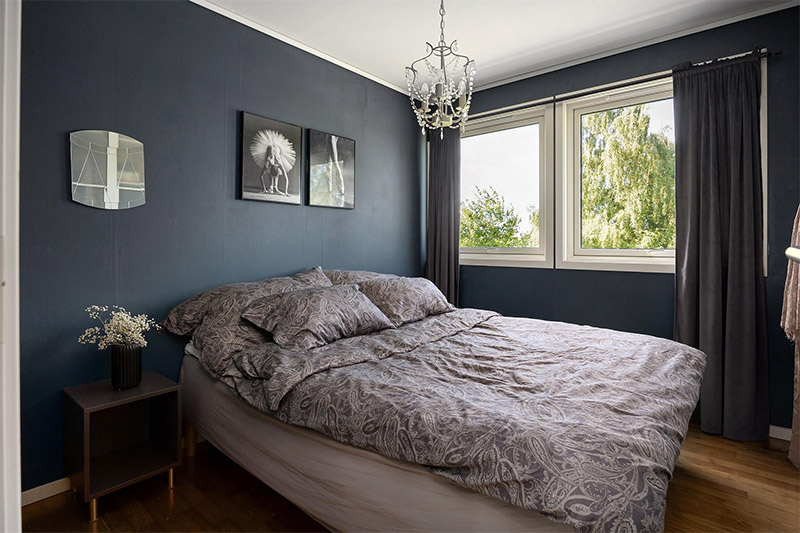
Bedroom windows play a unique role in residential construction. Unlike windows in many other rooms, bedroom windows must meet both comfort requirements and safety regulations.
Most importantly, bedroom windows must satisfy egress standards. Egress windows are designed to provide an emergency exit in case of fire or other emergencies. Because of this requirement, the window must open wide enough for occupants to escape and for emergency responders to enter if necessary.
In Canada and the United States, building codes generally specify minimum clear opening sizes for bedroom windows.
According to the National Building Code of Canada, bedroom egress windows must provide an unobstructed opening of at least 0.35 m², with no dimension smaller than 380 mm (15 inches) to allow safe emergency escape. These requirements ensure that bedroom windows function as both ventilation sources and life-safety features.
Egress size considerations
The required clear opening area determines the minimum acceptable window size for bedrooms.
Several factors influence whether a window meets egress standards:
- total openable area
- window height and width
- window operation type (casement, sliding, or double-hung)
Casement windows often meet egress requirements more easily because the entire window opening becomes available when the sash swings outward.
Sliding or double-hung windows may require larger overall frame sizes because only part of the window opens.
Ventilation and daylight needs in bedrooms
While safety requirements are essential, bedroom windows must also support healthy indoor environments.
Adequate window sizing improves:
- natural daylight levels
- air circulation during warmer months
- overall indoor comfort
Modern residential design guidelines recommend windows that allow balanced daylight while maintaining privacy and energy efficiency.
Bedrooms commonly include one primary window and sometimes additional smaller windows to enhance ventilation.
Recommended bedroom window size table
| Bedroom Window Type | Typical Size Range | Purpose |
| Minimum egress window | Meets 0.35 m² opening requirement | Emergency exit |
| Standard bedroom window | 24 — 36 in wide, 44 — 54 in high | Daylight and ventilation |
| Large bedroom window | 36 — 48 in wide, 54 — 66 in high | Enhanced natural light |
These dimensions represent common residential practices while ensuring compliance with safety standards.
Balancing comfort, safety, and design
Selecting the right bedroom window size requires balancing several factors: building codes, architectural design, and energy performance.
Manufacturers must ensure that windows meet structural and safety requirements while also providing effective insulation and weather resistance.
For homeowners planning renovations or new construction, choosing standard window sizes can simplify installation and improve long-term maintenance.
Ultimately, bedroom windows are more than design elements. They are critical safety components that also influence comfort, ventilation, and daylight within the home.
What are the typical living room windows used in modern houses?
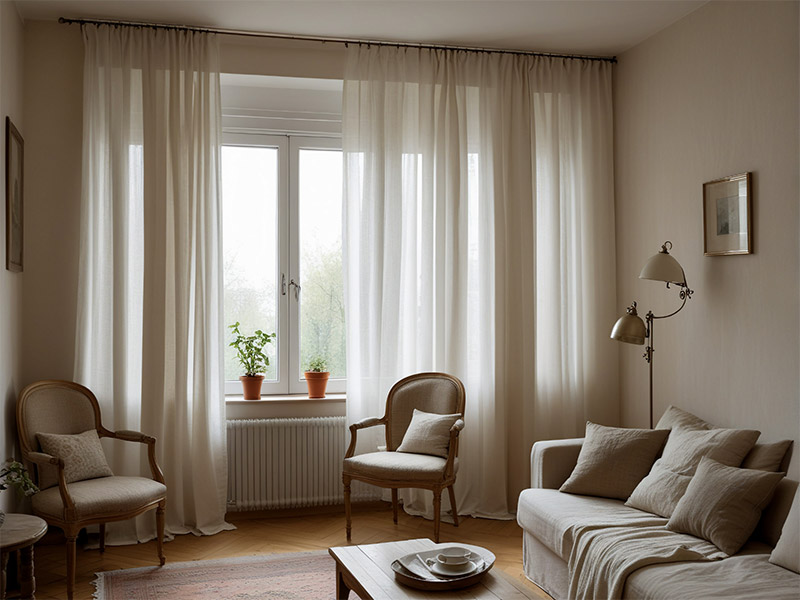
In many homes, the living room serves as the visual centre of the interior. It’s the space where natural light, outdoor views, and architectural design converge. For this reason, living room windows are typically larger than those installed in bedrooms, bathrooms, or kitchens.
Modern residential design often prioritizes large expanses of glass and unobstructed views, which has led to the popularity of picture windows, multi-panel systems, and large sliding windows. These window formats allow daylight to reach deeper into the interior while creating a stronger connection between indoor living spaces and the surrounding landscape.
From a manufacturing standpoint, large living room windows must maintain structural stability, airtight sealing, and energy efficiency. Window manufacturers, therefore, rely heavily on standardized size ranges combined with reinforced frame systems to support larger glass areas.
Design trends in modern living room windows
Contemporary architectural trends emphasize openness and natural light. As a result, living room windows are often designed to maximize the visual impact of glass rather than the frame itself.
Some of the most common living room window styles include:
- Picture windows — fixed windows designed to provide expansive views
- Sliding windows — large horizontal openings with movable panels
- Casement combinations — multiple windows grouped together
- Multi-panel window systems — wide installations spanning entire walls
Large windows not only improve daylight levels but also influence the perceived size of a room. Natural light reduces reliance on artificial lighting and can enhance interior comfort.
Many homeowners also combine different window types to create balanced designs. For example, a large picture window may be paired with smaller operable windows to allow ventilation.
Panoramic window formats
Panoramic windows are becoming increasingly common in modern residential construction. These windows often span 6 to 12 feet wide, creating a large viewing area that frames the outdoor environment.
Instead of a single oversized pane, manufacturers frequently design panoramic installations using multiple window units joined together. This approach improves structural reliability while maintaining large glass surfaces.
Common panoramic window configurations include:
- picture window flanked by casement windows
- multiple sliding panels across a wide wall
- fixed window assemblies combined with operable side panels
Light optimization in living spaces
Living rooms benefit from larger windows because they are typically used during daytime hours for social activities, reading, or relaxation.
Properly sized windows can help:
- increase natural daylight penetration
- reduce reliance on artificial lighting
- improve indoor comfort and ambiance
Designers often place living room windows along south- or west-facing walls to maximize exposure to sunlight.
However, larger glass areas also require careful attention to glazing technology. Modern window systems frequently include:
- Low-E coatings to reduce heat loss
- insulated double or triple glazing
- thermally efficient frame materials
These technologies are widely recommended in Canadian energy efficiency programs, including the ENERGY STAR® initiative administered by Natural Resources Canada.
Living room window comparison table
| Window Type | Typical Size Range | Key Benefits |
| Picture window | 36 — 96 inches wide | Maximum view, high daylight |
| Sliding window | 48 — 84 inches wide | Large opening, simple operation |
| Casement combination | varies | Strong ventilation |
| Multi-panel window | 6 — 12 feet total width | Panoramic views |
These window styles allow homeowners to tailor living room designs while still relying on standardized manufacturing dimensions.
What is the typical kitchen window size used above sinks?
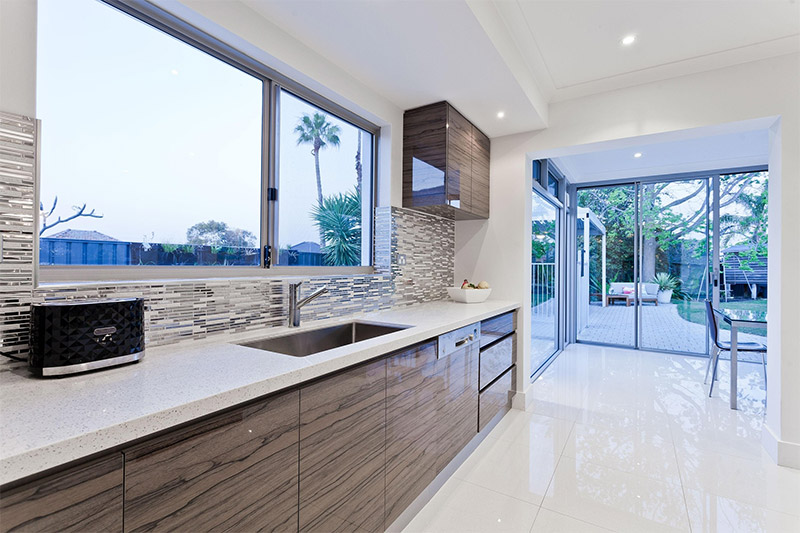
Kitchen windows serve both functional and aesthetic purposes. They bring daylight into the workspace, improve ventilation during cooking, and create a pleasant view while working at the sink.
One of the most recognizable placements for a kitchen window is directly above the sink. This positioning has become standard in many residential kitchen layouts because it aligns with cabinet heights and countertop dimensions.
Most kitchen countertops are installed at approximately 36 inches, which influences the size and placement of the window above them. Designers must ensure the window fits comfortably between the countertop and upper cabinets while still allowing sufficient ventilation.
Typical kitchen window dimensions
Typical residential construction practices show that kitchen windows commonly fall within the following size ranges:
| Window Width | Window Height | Typical Placement |
| 24 — 30 inches | 24 — 36 inches | Small kitchens |
| 30 — 36 inches | 36 — 48 inches | Standard kitchen layouts |
| 36 — 48 inches | 36 — 48 inches | Large kitchens |
These sizes allow the window to align with cabinetry while still providing a comfortable visual opening above the sink.
In some kitchens, designers install two smaller windows instead of one larger window, particularly when cabinetry layout requires more flexibility.
Ventilation considerations
Ventilation is particularly important in kitchens because cooking generates heat, moisture, and odours.
Windows installed above sinks often use casement or sliding designs, since these are easier to open in tight spaces.
Important ventilation considerations include:
- ease of operation when reaching across the sink
- ability to open the window partially or fully
- compatibility with kitchen faucets and fixtures
Casement windows are especially popular in sink areas because their crank mechanism allows homeowners to open them even when leaning over the counter.
Kitchen design layouts
Kitchen window placement depends heavily on the layout of the cabinets and appliances.
Common kitchen layouts include:
- single-centred window above the sink
- wide horizontal window spanning the sink area
- two smaller windows flanking the sink
In open-concept homes, designers sometimes install larger sliding windows above the sink to create a stronger visual connection with outdoor patios or gardens.
Regardless of the layout, window manufacturers must ensure the frame design provides adequate insulation and durability in an environment where humidity and temperature changes are common.
What bathroom window size works best for privacy and ventilation?
Bathroom windows must balance two critical needs: privacy and airflow. Unlike living room or kitchen windows, bathroom windows are typically smaller and positioned higher on the wall.
Because bathrooms generate humidity from showers and baths, ventilation is key to maintaining indoor air quality and preventing moisture damage.
Window manufacturers, therefore, design bathroom windows with compact dimensions, durable materials, and specialized glazing options.
Typical bathroom window dimensions
Bathroom windows are generally smaller than other residential windows because of privacy considerations and limited wall space.
Typical bathroom window sizes include:
| Window Width | Window Height | Typical Placement |
| 18 — 24 inches | 18 — 24 inches | Small bathrooms |
| 24 — 30 inches | 24 — 36 inches | Standard bathrooms |
| 30 — 36 inches | 36 — 48 inches | Large bathrooms |
These sizes allow adequate natural light without compromising privacy.
Privacy solutions for bathroom windows
Maintaining privacy is a primary design consideration when installing bathroom windows.
Homeowners commonly use:
- frosted glass
- textured or patterned glass
- tinted glazing
- window placement above eye level
These solutions allow light to enter the room while preventing clear visibility from outside.
Window placement height
Bathroom windows are often installed higher on the wall than windows in other rooms. This placement improves privacy while still allowing natural light to enter.
Bathroom windows must also meet minimum ventilation standards if mechanical ventilation is not present. Because of these requirements, many bathroom windows use operable designs such as casement or awning windows, which provide effective airflow even when installed at higher wall positions.
Bathroom window sizing summary
| Factor | Recommended Approach |
| Window size | Smaller openings (18 — 36 inches typical) |
| Placement | Higher wall installation |
| Glass type | Frosted or textured glass |
| Operation style | Casement or awning for ventilation |
By combining appropriate sizing, glazing, and placement, bathroom windows can provide both adequate ventilation and strong privacy protection.
What should homeowners consider before choosing a window size for their home?
Choosing the right window size affects much more than a home’s appearance. Window dimensions influence natural lighting, indoor comfort, ventilation, and the building's overall energy performance. Larger windows can improve daylight and create a more open atmosphere, but they must be balanced with insulation performance and the home's orientation to avoid excessive heat loss or solar gain.
Canadian housing guides, including publications from the Canada Mortgage and Housing Corporation (CMHC), also emphasize balancing window size with insulation performance and home orientation to maintain energy efficiency.
Before deciding on window dimensions, homeowners should consider several practical factors:
- the function of the room and the level of natural light required
- ventilation needs and whether the window must be operable
- local building code requirements, including emergency egress openings
- insulation performance and the impact of larger glass areas on heat retention
- the orientation of the home and exposure to sunlight throughout the day
Finally, the window size should align with the house's architectural style and overall proportions. Consistent window placement and balanced proportions help maintain visual harmony while supporting efficient manufacturing and installation. By evaluating lighting needs, insulation performance, ventilation, and design considerations together, homeowners can choose window sizes that enhance both comfort and the long-term value of their home.
Frequently Asked Questions
What happens if a window opening in a house does not match a standard window size?
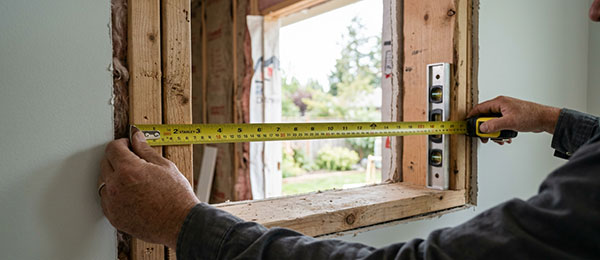
If a wall opening does not match a standard size, installers may need to adjust the framing or order a custom window. This can increase both manufacturing time and installation costs compared with using standard dimensions.
Are custom windows always more expensive than standard window sizes?
In most cases, yes. Standard windows are mass-produced, which reduces manufacturing costs, while custom windows require individual fabrication and additional measurements.
Why do builders prefer standard window sizes in new homes?
Standard window sizes align with common wall framing systems used in residential construction. This allows builders to install windows more quickly, simplify construction planning, and make future replacements easier.
Can standard window sizes still provide good energy efficiency?
Yes. Energy efficiency depends more on glazing technology, frame insulation, and installation quality than on window size alone. Standard windows can still include features such as double- or triple-glazing, Low-E coatings, and insulated frames.
Do larger windows always mean better natural lighting?
Larger windows usually allow more daylight into a room, but placement and orientation also matter. A well-positioned medium-sized window can sometimes provide better lighting than a larger window facing the wrong direction.
Is it possible to replace old windows with standard sizes during renovations?
Often, it is possible, especially if the original house was built using common framing dimensions. However, older homes may require slight adjustments to the wall opening to accommodate modern standard window sizes.
How do homeowners know if a window size will meet bedroom safety requirements?
Bedroom windows must provide a minimum clear opening for emergency escape, commonly known as an egress requirement. Installers or contractors typically verify this during measurement to ensure the window meets local building regulations.
People Also Ask