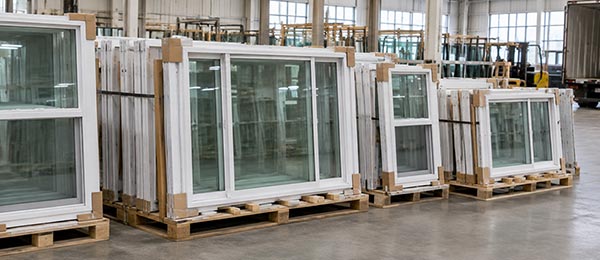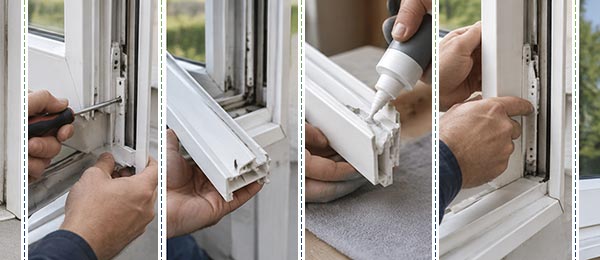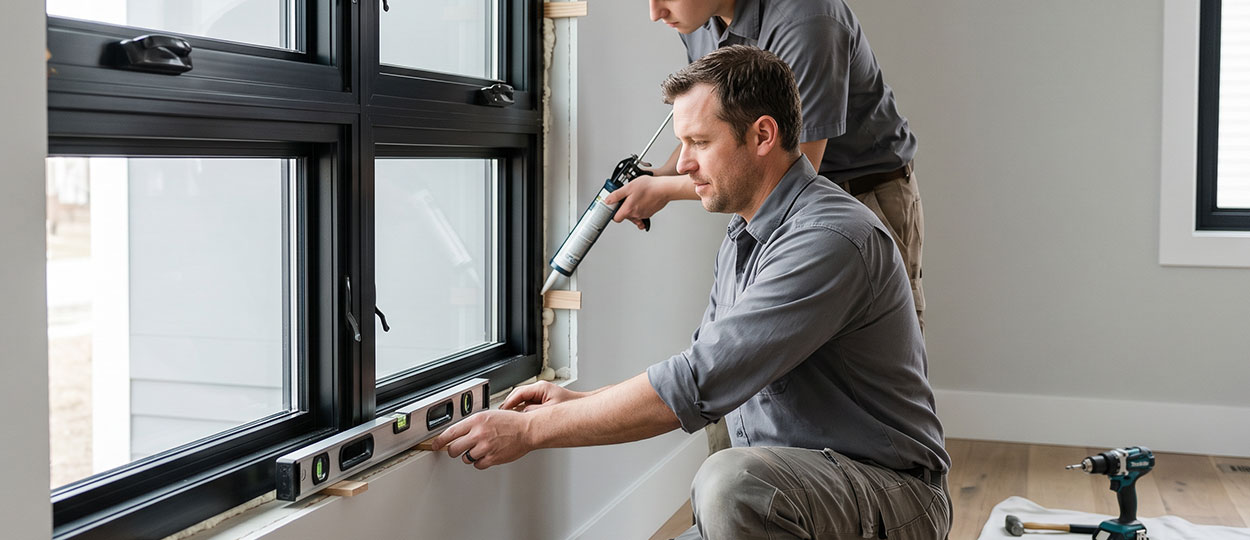


Selecting a window replacement company is a decision that affects your home's thermal performance, structural integrity, and long-term value for decades. Most homeowners evaluate installers primarily on price, overlooking the technical competency and product quality that determine whether a replacement actually delivers its promised benefits. This guide provides a structured, manufacturer-informed approach to identifying the right company for your project.
Window Force has operated as a vinyl window manufacturer in Ontario since 2007, supplying windows through an authorized dealer and contractor network across Ontario, Alberta, and British Columbia. This guide draws on what we’ve observed across thousands of projects — including what separates consistently excellent installers from those that generate warranty claims and callbacks.
Key Takeaways
- Verify licensing, insurance, and third-party certifications before committing to any installer.
- A company's warranty is only as valuable as its financial stability and installation precision.
- Local installers often offer faster service and accountability, while national chains offer broader product catalogues and standardized processes.
- Always obtain a written scope of work with material specifications before signing a contract.
- Poor installation can void manufacturer warranties and significantly reduce window performance, sometimes by 30% or more.
What Should You Look for in Window Replacement Companies Before Hiring?
Choosing the right window replacement company begins with objective criteria, not marketing claims. The most reliable indicators of a qualified installer are certifications, documented experience, and a transparent product offering.
Certifications and Credentials
In Canada, reputable window installers should hold a valid business licence in their province and carry general liability insurance. Beyond business compliance, look for membership in organizations such as Fenestration Canada, which require members to meet established standards for product quality and installation practice.
ENERGY STAR partner status, granted by Natural Resources Canada, is another meaningful credential. It confirms that the company sells and installs products independently tested against Canadian climate zone requirements.
Portfolio and Service Area
A credible company should be able to provide references from completed projects in your region, not just generic testimonials. Geographic familiarity matters: a company that regularly installs windows in your specific climate understands the thermal bridging and air-sealing challenges that vary across coastal, prairie, and northern environments. For example, projects involving windows in Ontario must account for humidity shifts and freeze-thaw cycles that can affect sealing performance.
Similar regional considerations apply across other provinces with different climate patterns. When evaluating a portfolio, ask specifically whether the installer has experience with your window type, such as casement, fixed, or sliding, and your home's construction type, whether wood-frame, brick, or ICF.
As a manufacturer, Window Force works with authorized dealers and contractors who demonstrate consistent installation quality and product knowledge. Our dealer authorization process includes verification of installation capability, insurance, and ongoing product training. When you purchase through a Window Force authorized dealer, you can be confident that the installer has been vetted by the manufacturer — not just by their own marketing.
| Criterion | What to Verify | Why It Matters |
| Business licence | Province-specific registration | Legal protection if disputes arise |
| Liability insurance | Minimum $2M coverage | Covers damage during installation |
| WCB/WSIB coverage | Active certificate | Protects you from worker injury liability |
| CWDMA / FENBC membership | Current membership listing | Commitment to industry standards |
| ENERGY STAR partner | Listed in the NRCan partner database | Products meet Canadian climate requirements |
| Manufacturer warranty support | Confirm the company is an authorized dealer | Ensures warranty is valid |
Windows Near Me
Why Does Choosing the Best Window Replacement Company Matter for Your Home?
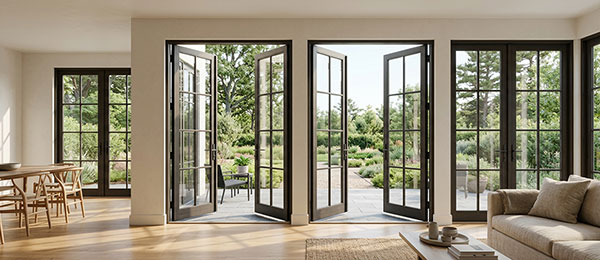
The quality of installation has a greater impact on long-term performance than the window brand itself. Even a premium product will fail to deliver expected efficiency and durability if installed incorrectly.
Cost Savings and Thermal Performance
According to Natural Resources Canada's Keeping the Heat In guide, windows, doors, and skylights can account for up to 35 percent of total residential heat loss. When energy-efficient windows are correctly installed, they address this loss directly by eliminating air infiltration at the frame perimeter, maintaining the thermal break across the sill, and preserving the sealed glass unit's insulating gas fill. A window that is improperly flashed or inadequately sealed around the rough opening allows air and moisture infiltration that compounds energy costs year over year.
How Can You Verify the Credibility of a Window Replacement Company?
Verification requires more than relying on online reviews. A systematic approach to vetting protects you from companies that present themselves professionally online but lack the technical competence or financial standing to back up their commitments.
Checklist for Vetting a Window Installer
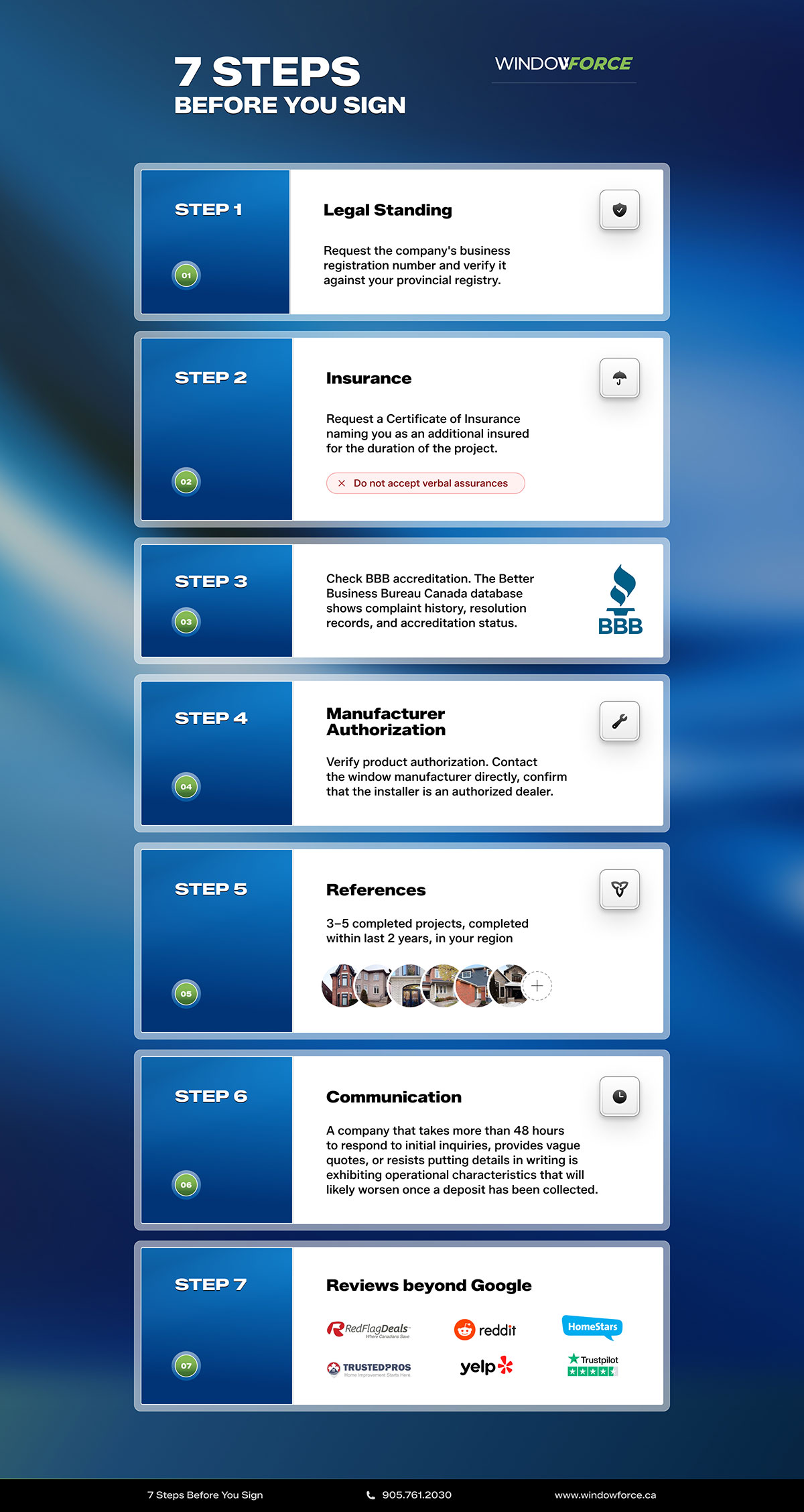
Engineer Sergey Essipov, with 20 years of experience in window manufacturing, explains:
One of the most consistent predictors of installation quality I’ve observed across our dealer network is whether the company sends a trained measure technician to the site before quoting. At Window Force, we require our authorized dealers to conduct on-site measurement — we won’t process an order based on phone estimates. Companies that quote by phone without a site visit often rely on rough assumptions about opening dimensions, which translates directly into fit problems and compromised air sealing on installation day.
What Questions Should You Ask Before Signing a Contract with Installers?
The contract stage is where many homeowners lose leverage. A well-structured set of questions before signing establishes your expectations in writing and provides legal recourse if the company fails to deliver.
Key Questions and Negotiation Considerations
- On materials: Request the full product specification by model number, including frame material, glass package (Low-E coating type, gas fill, spacer type), and colour. Confirm that this specification is written into the contract, not just referenced verbally. Substituting a lower-tier product after signing is a documented industry practice among less reputable installers.
- On the scope of work: Clarify what constitutes "installation." Does it include the removal and disposal of existing windows? Brick mould or exterior casing replacement? Interior trim repair? These items are frequently omitted from base quotes and added as change orders mid-project.
- On timeline and scheduling: Request a written start date and a projected completion window. Clarify what happens if the company misses those dates. Reliable companies will include a clause addressing delays and defining their obligation to notify you.
- On payment terms: Industry-standard terms for residential window replacement are typically a deposit of 10 — 25% at signing, with the balance due upon satisfactory completion. Be cautious of any company requiring 50% or more upfront, particularly for projects without custom-order lead times.
- On dispute resolution: Confirm how deficiencies are handled after installation. What is the company's process for addressing items that do not meet specifications? Who is the point of contact, and what is the response time commitment? A written scope of work that specifies products, labour scope, timeline, payment terms, and a deficiency process is the single most important document in any window replacement project. Signing a one-page estimate with no specification detail transfers all risk to the homeowner.

What Installation Mistakes Do Poor Window Replacement Companies Make?
Installation errors are the primary cause of premature window failure, energy performance loss, and warranty avoidance. Understanding the most common mistakes allows you to ask informed questions and conduct a meaningful post-installation inspection.
Measurement and Fit Errors
Incorrect rough opening measurement is foundational to multiple downstream problems. A window unit that is too small for its opening requires excessive shimming and expanding foam to fill the gap. While spray foam provides some insulating value, it is not a substitute for a correctly fitted unit: an oversized foam fill compresses and expands with thermal cycling, progressively degrading the air seal over five to seven years. A window that is too large for the rough opening is forced into place, creating frame stress that can bow the sill, distort the seal of the insulated glass unit, or interfere with hardware operation.
Flashing and Air Sealing Failures
Flashing at the sill and head of the window opening is required to redirect any incidental water infiltration to the exterior, away from the wall assembly. Companies that skip this step or use inadequate flashing material create the conditions for chronic moisture intrusion into the wall cavity, which typically manifests as interior paint staining, mould in the wall framing, or rotted sills within three to seven years.
Engineer Sergey Essipov, with 20 years of experience in window manufacturing, notes:
At Window Force, we regularly see warranty claims that, upon investigation, are caused entirely by installation defects rather than product failure. The most common are insufficient back-bedding at the frame perimeter and missing sill flashing. These are not complex techniques — they are simply skipped by companies that prioritize speed over quality. That’s one reason we provide detailed installation specifications with every window order and train our dealer network on proper air-sealing and flashing procedures.
Air sealing at the interior side of the frame is equally critical. The interior backer rod and sealant bead prevent warm, moisture-laden air from entering the wall cavity.
This reduces the risk of condensation forming on cold surfaces. When this step is omitted, condensation forms inside the wall assembly, accelerating the same deterioration that exterior flashing failures cause from the outside.
Insulation Omissions
The cavity between the window frame and the rough opening framing must be insulated. Low-expansion backer rod and fibreglass batt, or properly applied spray foam at the appropriate density, fill this zone and prevent it from becoming a thermal bypass. Companies that leave this cavity air-filled or partially filled significantly compromise the window's effective R-value, often negating the energy performance advantage of a premium glass package.
Should You Choose Local or National Window Replacement Companies?
Both local and national companies have legitimate advantages, and the right choice depends on your project scope, product preferences, and the specific companies available in your market.
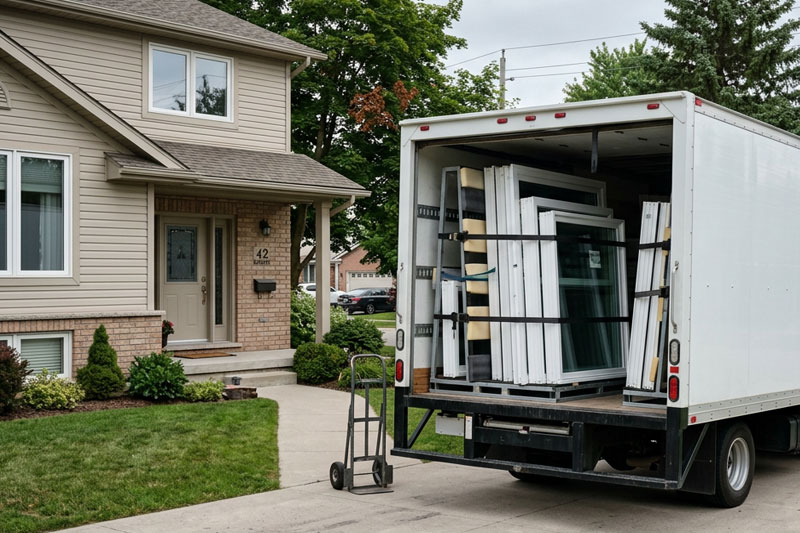
Comparison: Local vs. National Window Installers
| Factor | Local Companies | National Companies |
| Accountability | Higher — owner often involved directly | Variable — depends on franchise management |
| Response time | Typically faster for service calls | Standardized process, sometimes slower |
| Product range | Often limited to 1 — 3 manufacturers | Broader catalogue, multi-brand options |
| Pricing | Competitive, less overhead | Volume pricing but higher margin targets |
| Local climate knowledge | Strong — direct regional experience | Inconsistent across branches |
| Financial stability | Variable — assess case by case | More predictable, though not guaranteed |
| Warranty backing | Dependent on company longevity | Corporate backing is more reliable for long-term claims |
A local window company near me often searches for smaller operators with deep community ties and strong referral-based reputations. These companies depend on their local reputation in a way that national chains do not, which can translate into stronger accountability and more attentive service. However, a smaller company risks discontinuing operations before a 20-year warranty period expires, at which point warranty claims may become uncollectible.
National companies offer scale: standardized installation protocols, larger crews for faster completion, and corporate backing for warranty administration. The trade-off is that large organizations can be less responsive to individual project concerns and may rely on subcontracted installation crews whose quality control is harder to verify.
The best approach is to evaluate each company individually rather than using size as an indicator of quality.
A third option worth considering is purchasing directly from a manufacturer that works through an authorized dealer network. Companies like Window Force supply windows through vetted contractors and dealers, combining the product control and warranty accountability of a manufacturer with the local knowledge and service of a regional installer. This model ensures that the manufacturer stands behind both the product and the installation quality delivered by its network.
How Long Does a Professional Window Replacement Process Take?
Project duration varies significantly based on window count, product lead times, and site conditions. Understanding the typical timeline helps you plan, identify delays early, and hold your installer accountable to reasonable expectations.
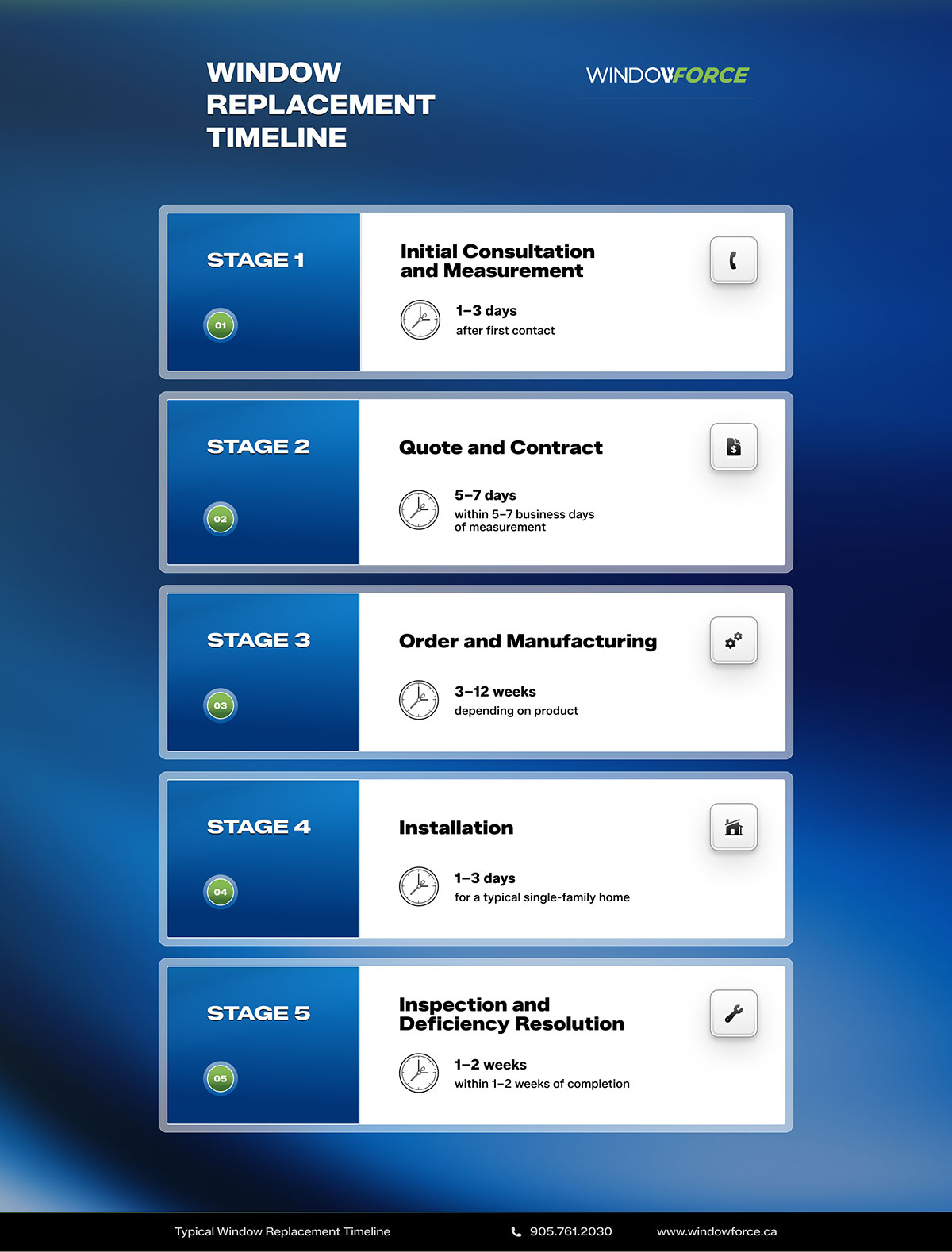
Typical Window Replacement Timeline
Stage 1: Initial consultation and measurement (1 — 3 days after first contact).
A qualified installer schedules a site visit to measure each rough opening, assess site conditions, and identify any structural or flashing concerns. This step should not be skipped or conducted remotely.
Stage 2: Quote and contract (within 5 — 7 business days of measurement).
A detailed written quote with full product specifications should be provided within one week. Delays beyond this suggest organizational issues.
Stage 3: Order and manufacturing lead time (3 — 12 weeks, depending on product).
Stock windows in standard sizes may be available within days. Custom-sized or custom-coloured units from a dedicated window manufacturer typically require 4 to 10 weeks. Confirm the lead time in writing before signing.
Stage 4: Installation (1 — 3 days for a typical single-family home).
A standard residential replacement of 10 to 15 windows with a two-person crew typically takes one to two full days. Larger projects, complex openings, or installations requiring structural work will extend this timeline.
Stage 5: Inspection and deficiency resolution (within 1 — 2 weeks of completion).
Walk through the completed work with the installer before releasing the final payment. Document in writing any items that do not meet the specification and confirm a timeline for resolution.
Several factors can extend any of these stages: supply chain disruptions affecting glass or frame components; permit requirements in jurisdictions where they apply; the discovery of deteriorated framing or flashing conditions during installation; and seasonal scheduling pressure during peak replacement periods (spring and fall).
What Are the Key Signs of a Trustworthy Window Replacement Company?
Trustworthiness in this industry is demonstrated through consistent behaviour across the sales, contracting, installation, and post-installation phases. No single indicator is definitive, but a pattern of transparent, professional conduct across all stages is a reliable predictor of quality outcomes.
A credible company provides detailed, itemized quotes without being asked. It specifies product model numbers, glass packages, and hardware finishes in writing rather than describing products in generic terms. It presents its warranty terms clearly, including what is covered, what is excluded, and what the claims process entails, before you sign anything.
During installation, a trustworthy crew works systematically, protects interior finishes during removal and installation, and does not rush the air sealing and flashing stages. Experienced installers treat the rough opening preparation, including the removal of old caulking, inspection of the sill for rot, and proper back-bedding of the new frame, as core work rather than optional steps.
Post-installation, a reputable company conducts a formal walk-through with the homeowner, documents any noted items, and follows through on repairs for deficiencies without requiring repeated follow-up. The quality of a company's post-installation service is often the most honest indicator of its character, because at that stage the financial incentive has largely been collected and any remaining effort is motivated by professional integrity rather than sales interest.
Conclusion: What Is the Best Way to Choose the Right Window Replacement Company?
Choosing a window replacement company is as much a technical decision as a commercial one. The company you select must demonstrate competence in measurement, product specification, installation techniques, and post-project accountability. Price comparison alone does not identify this competency; a structured evaluation against objective criteria does. This remains true across all regions, whether selecting a window company in Alberta, British Columbia, or Ontario, or comparing providers elsewhere in Canada. Local conditions may vary, but the evaluation principles remain consistent.
Begin with credentials and legal standing, then assess the quality of the company's consultation process. A company that invests in thorough site measurement, transparent product specification, and clear contract terms before the project begins will almost always deliver a more consistent installation outcome than one that competes primarily on price. The long-term cost of a poorly installed window replacement, measured in energy losses, moisture damage, and warranty disputes, consistently exceeds any short-term savings achieved by selecting the lowest bidder.
If you're starting a window replacement project, Window Force can connect you with authorized dealers in your area who meet our standards for installation quality, product knowledge, and customer service. Contact us at 905.761.2030 or request a consultation through our website — we'll help you find the right installer and the right window for your project.

Frequently Asked Questions
How do I know if a window company is actually authorized by the manufacturer?
Contact the manufacturer directly using the contact information on their official website, not the number provided by the installer. Provide the installer's company name and ask whether they are an authorized dealer. Manufacturer authorization is required in most cases for the product warranty to be valid.
What is a reasonable warranty for residential window replacement in Canada?
A credible warranty structure includes a lifetime (or 25-year minimum) warranty on the sealed glass unit for seal failure and argon gas retention, a 10-year minimum warranty on hardware and moving components, and a 2 to 5-year warranty on the installation workmanship itself. Be cautious of companies that offer only a manufacturer's warranty with no separate coverage for installation quality.
Can I replace windows in winter in Canada?
Yes, provided the installer uses appropriate low-temperature sealants rated for cold conditions and the home's interior temperature can be maintained during and after installation. Professional installers routinely complete replacements in winter without affecting performance. The greater concern is scheduling: demand drops in winter, which can mean faster lead times and better contractor availability.
What is the difference between a window installer and a window manufacturer?
A window manufacturer produces the window units in a controlled factory environment, controlling frame extrusion, glass unit assembly, and hardware installation. A window installer, or dealer, purchases products from one or more manufacturers and installs them in residential or commercial buildings. Some companies are vertically integrated, manufacturing and installing their own products, which can offer advantages in product control and warranty administration.
Does window replacement require a building permit?
This depends on the jurisdiction. In most Canadian municipalities, like-for-like window replacement in the same rough opening does not require a permit. Changes to opening size, structural modifications to accommodate new windows, or replacement in certain heritage-designated properties typically do require one. Confirm with your local building department before work begins, and be cautious of installers who recommend skipping permits without verifying local requirements
People Also Ask