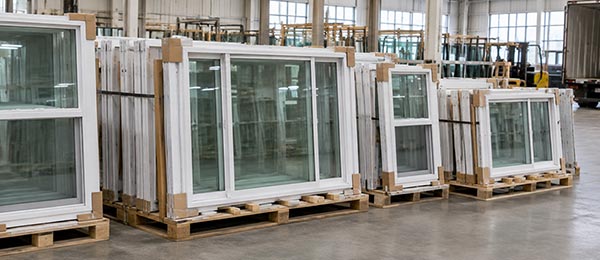


Choosing the wrong installation method can reduce energy performance, void manufacturer warranties, and lead to costly remediation. Whether you are replacing aging windows in a mid-century home or upgrading a full building envelope, the decision between retrofit and brick-to-brick installation determines far more than project cost — it shapes the long-term integrity of the entire wall assembly.
At Window Force, we manufacture windows for both retrofit and brick-to-brick applications at our 80,000 sq ft Ontario production facility. Because we see both installation methods from the manufacturing side — designing frame profiles that accommodate each approach — we can offer a perspective grounded in how the product is actually engineered, not just how it’s installed.
Key Takeaways
- Retrofit installation fits a new window inside the existing frame. It is faster, less disruptive, and better suited to structurally sound openings.
- Brick-to-brick installation removes the existing frame entirely down to the rough opening. It is the appropriate method when frames are rotted, damaged, or when maximum thermal performance is required.
- The cost difference between the two methods typically ranges from $300 to $800+ per window, depending on the scope and region.
- Frame condition is the single most important factor in determining which method is appropriate.
- Neither method is universally superior. The correct choice depends on the existing structure, project goals, and budget.
What Are Retrofit Windows and How Do They Work?
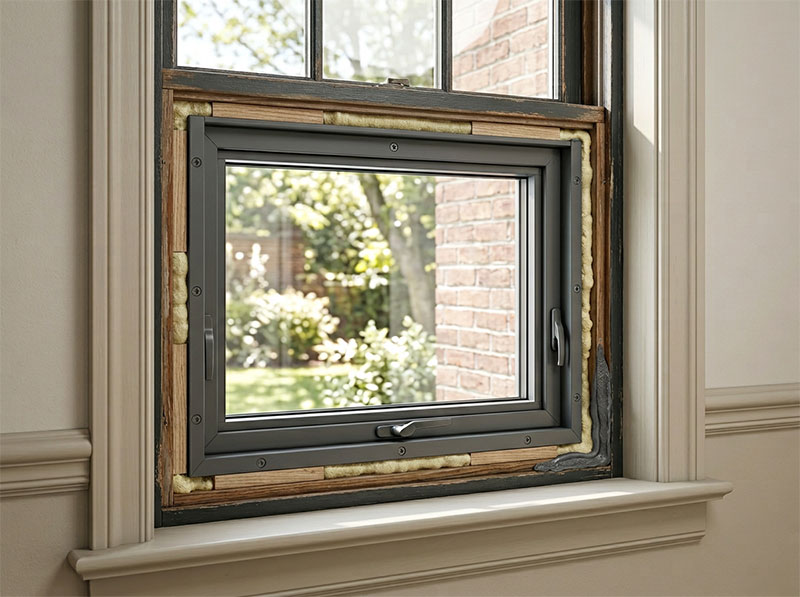
Retrofit windows, also referred to as insert or replacement windows, are designed to be installed within an existing window frame without disturbing the surrounding wall, trim, or cladding. The original frame remains in place; only the sashes, hardware, and glazing are replaced. This approach makes retrofitting the dominant installation method in the residential renovation market, primarily because it reduces labour time and limits disruption to the interior and exterior.
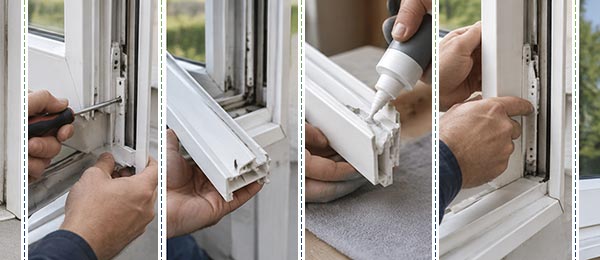
The installation process begins with the precise measurement of the existing frame's interior dimensions. Because the new window unit must sit inside the old frame, the visible glass area is slightly reduced, typically by one to two inches on each side. The unit is then shimmed level, anchored through the frame, and sealed with foam insulation and caulking at the perimeter. Weatherstripping completes the air barrier.
Retrofit vs. Full-Frame Basics
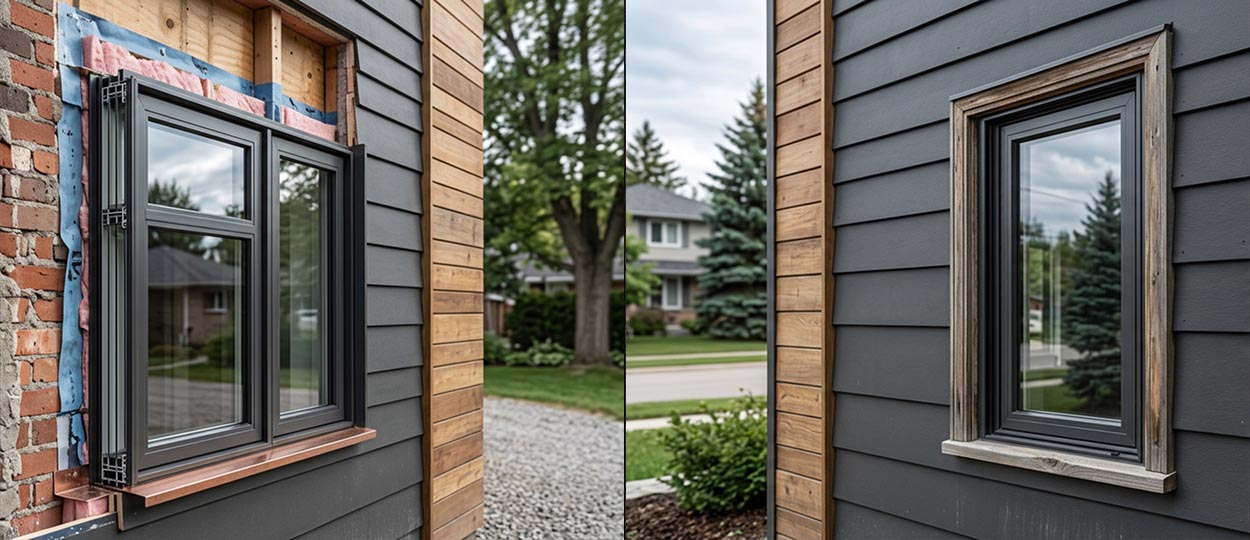
The core distinction is frame retention. In a retrofit installation, the structural integrity of the existing frame is assumed to be sound. The new window relies on that frame for support and weather resistance. In a full-frame (brick-to-brick) installation, the frame is removed entirely, exposing the rough opening and allowing the installer to address any underlying moisture damage, deteriorated flashing, or compromised insulation before the new unit is set.
Field inspections and building envelope studies indicate that moisture intrusion around window openings often remains concealed within the wall assembly and may not become visible until finishes are removed or the frame is dismantled. This is particularly common in older homes where flashing systems are missing or deteriorated, allowing water to bypass the drainage plane and accumulate within the rough opening.
When Retrofit Is Used
Retrofit installation is appropriate when the existing frame is structurally sound, plumb, and free of moisture damage. It is the standard choice for:
- Mid-project upgrades where interior finishes must be preserved
- Condominiums and multi-unit buildings where shared wall assemblies limit the scope of work
- Budget-constrained renovations where performance improvements are needed without full demolition
- Historic properties where maintaining original exterior profiles is a priority
Engineer Sergey Essipov, with 20 years of experience in window manufacturing, explains:
Retrofit installation is not a compromise; it is a purpose-built method. At Window Force, both our Ultraslim and Classic Series are engineered to perform in retrofit applications — the frame dimensions, weatherstripping, and sealing details are designed with insert installation in mind. The key is confirming that the host frame is genuinely sound. When it is, a high-quality insert unit will perform comparably to a full-frame replacement in most climate conditions. The failure point is almost never the window itself — it is an undetected problem in the existing frame that should have disqualified the retrofit approach from the start.
Windows Near Me
What Is Brick-to-Brick Window Installation and When Is It Used?
Brick-to-brick installation, also called full-frame or new-construction installation, involves the complete removal of the existing window assembly down to the rough opening in the wall structure. The term "brick-to-brick" refers to the installation of a new window unit that spans from one side of the masonry or structural opening to the other, with the frame anchored directly to the rough framing or masonry substrate. This method exposes the full perimeter of the opening, allowing thorough inspection and remediation before the new unit is set.
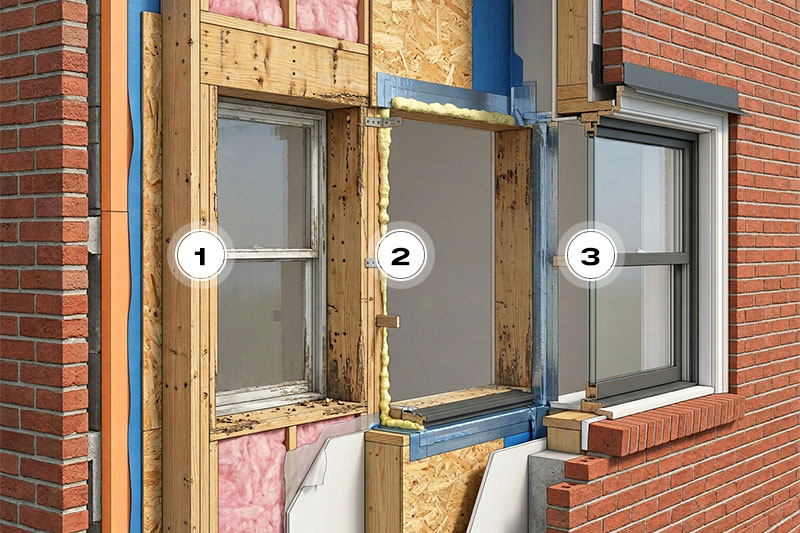
This approach is standard in new construction and is increasingly required in renovations where frames have deteriorated beyond the threshold suitable for a retrofit installation. It is also the method of choice when energy performance targets demand a fully controlled thermal break at the window-to-wall junction.
Full-Frame Removal Explained
The process begins with the removal of interior and exterior casing and trim. The existing window frame, including the sill, head, and jambs, is cut free and extracted from the rough opening. This exposes the rough framing, flashing details, and any insulation or air barrier layers in the wall assembly. The installer inspects for rot, mould, inadequate flashing, and air leakage before preparing the opening for the new unit.
The new window is then set into the rough opening and anchored using fin-mounting flanges (in wood-frame construction) or mechanical fasteners into masonry. Flashing is applied to all four sides of the opening in the correct sequence to create a drainage plane, and spray-foam insulation fills the gap between the window frame and the rough framing. Interior and exterior trim are reinstalled to complete the assembly.
Structural Considerations
Full-frame removal provides the opportunity to correct problems that retrofit installation cannot address. Rotted sill plates, deteriorated window bucks in ICF or masonry construction, and compromised air barrier continuity are all remediated at this stage. However, the process also introduces the risk of incidental damage to adjacent interior finishes and exterior cladding, which should be factored into project planning and budgeting.
What Is the Difference Between Retrofit and Brick-to-Brick Installation Methods?
The fundamental difference lies in what is removed and what remains. Retrofit retains the existing frame; brick-to-brick removes it entirely. This single distinction cascades into differences in labour, cost, thermal performance, and long-term durability.
| Factor | Retrofit Installation | Brick-to-Brick Installation |
| Existing frame | Retained | Fully removed |
| Visible glass area | Slightly reduced | Full rough opening available |
| Interior disruption | Minimal | Moderate to significant |
| Exterior disruption | Minimal | Moderate (cladding disturbed) |
| Frame condition required | Sound and plumb | Not required — frame is replaced |
| Insulation continuity | Limited by the existing frame | Fully addressable |
| Thermal bridge risk | Higher | Lower |
| Air sealing control | Moderate | Full control |
| Labour time per window | 1 — 3 hours | 3 — 6+ hours |
| Typical cost per window | Lower | Higher |
| Best suited for | Sound frames, budget renovations | Damaged frames, energy upgrades |
From a thermal performance standpoint, brick-to-brick installation allows the installer to establish continuous insulation and an air barrier across the full depth of the wall assembly, significantly reducing thermal bridging at the window perimeter. Retrofit installation, while capable of delivering good performance with a quality unit, is constrained by the existing insulation and air-sealing details within the host frame.
How Much Does Retrofit Window Installation Cost Compared to Brick-to-Brick?
Cost is frequently the deciding factor for homeowners, but direct comparison requires accounting for labour, materials, ancillary work, and the long-term cost implications of each method. Retrofit is consistently less expensive per window, but the differential narrows when the existing frames are in poor condition and require preparatory work prior to the insert installation.
| Cost Component | Retrofit (per window) | Brick-to-Brick (per window) |
| Labour | $150—$350 | $350—$700 |
| Window unit | $300—$900+ | $300—$900+ |
| Flashing and sealants | $20—$50 | $60—$150 |
| Trim repair/replacement | Minimal | $100—$300+ |
| Exterior cladding repair | Rarely needed | Possible additional cost |
| Total range (CAD) | $470—$1,300+ | $810—$2,050+ |
These figures represent general ranges for the Canadian market and will vary based on window size, material (vinyl windows are typically more affordable than wood or fibreglass), storey height, and regional labour rates. Projects involving masonry, stucco, or EIFS cladding may incur additional costs for exterior repairs after a full-frame installation.
It is worth noting that the window unit cost remains the same regardless of the installation method, meaning the price difference is driven primarily by labour and related work. For a whole-home window replacement project of 10 — 15 windows, the difference between retrofit and brick-to-brick installation can range from $3,000 to $8,000 or more.
It’s worth noting that the window unit cost remains the same regardless of installation method — a Window Force casement or slider is priced identically whether it’s going into a retrofit or full-frame opening. The price difference is driven entirely by labour and related finishing work, which is why we encourage homeowners and contractors to make the method decision based on frame condition, not on trying to reduce installation cost at the expense of long-term performance.
Labour costs in the Canadian construction trades have increased substantially over the past decade, with Statistics Canada's Building Construction Price Index recording a 32.4% cumulative increase in residential renovation labour costs between 2014 and 2023. This trend makes the per-window labour differential between retrofit and brick-to-brick installations more significant in current project budgets than in comparative figures published even five years ago. Homeowners requesting quotations should ensure that estimates are itemized by labour and materials to enable accurate method comparison.
What Are the Pros and Cons of Retrofit Windows?
Retrofit installation offers a practical, cost-effective path to window improvement in a wide range of residential applications. Its advantages are real, but so are its constraints, and understanding both is essential to making an informed decision.
Advantages of Retrofit Installation
The most significant advantage is reduced project cost and duration. Because the existing frame is retained, there is no need to disturb interior drywall, trim, or exterior cladding. Installation per window typically takes 1 to 3 hours, making whole-home projects feasible in a single day or two. This is particularly valuable in occupied homes, where minimizing disruption is a practical priority.
Retrofit installation is also well-suited for installing energy-efficient windows in openings where the existing frame is structurally intact. A high-performance insert unit with low-emissivity glass and argon fill can deliver meaningful improvements in thermal comfort and heating cost reduction without the scope of a full-frame replacement.
| Pros | Cons |
| Lower cost per window | Reduced visible glass area |
| Faster installation | Cannot correct hidden frame damage |
| Minimal interior disruption | Limited air sealing control at the perimeter |
| No exterior cladding repair required | Dependent on host frame integrity |
| Suitable for occupied homes | Not appropriate for severely deteriorated frames |
| Wide availability from any reputable window manufacturer | Performance constrained by the existing frame condition |
Limitations to Consider
The reduction in visible glass area, while modest (typically 1 — 2 inches per side), is a real constraint for rooms where natural light is at a premium. In some configurations, the insert frame also creates a step or ledge at the sill that differs aesthetically from the original installation. These are minor issues in most cases, but worth understanding before proceeding.

What Are the Advantages and Disadvantages of Brick-to-Brick Installation?
Brick-to-brick installation is a more comprehensive intervention, and its advantages reflect that scope. When the full wall assembly at the window perimeter is exposed and properly detailed, the result is a more durable, better-insulated, and higher-performing installation that is not constrained by the condition of the previous frame.
Advantages of Full-Frame Replacement
The primary advantage is complete control over the installation environment. With the rough opening fully exposed, the installer can inspect for and remediate moisture damage, replace deteriorated flashing, upgrade insulation, and establish a continuous air barrier around the window perimeter. This level of control is not achievable with retrofit installation under any circumstances.
For our dealer and contractor partners, we provide both retrofit and new-construction frame configurations across the Ultraslim and Classic Series. The Ultraslim’s deeper 4-9/16” frame is particularly well-suited to brick-to-brick applications where the full rough opening depth is available, maximizing both glass area and thermal break depth.
Brick-to-brick installation also allows for the use of the full rough opening dimensions, maximizing the glass area of the new window. In rooms where light and view are priorities, this can make a perceptible difference.
| Pros | Cons |
| Full rough opening utilized | Higher labour cost |
| Hidden damage identified and corrected | Greater interior and exterior disruption |
| Superior air sealing capability | Longer project duration |
| Insulation continuity fully addressable | Possible trim and cladding repair required |
| Maximum thermal performance potential | Not necessary when frames are in good condition |
| Long-term durability not compromised by the existing frame | Requires more planning and coordination |
Disadvantages and Trade-offs
The higher cost and disruption of brick-to-brick installation are not always justified. In a home with well-maintained frames showing no evidence of moisture infiltration, rot, or structural compromise, a retrofit installation with a quality window unit will deliver comparable performance at a lower cost and with less disruption. Specifying brick-to-brick installation where it is not needed increases project cost without a proportional improvement in outcome.
Engineer Sergey Essipov, with 20 years of experience in window manufacturing, notes:
The industry sometimes defaults to full-frame installation as a premium upsell, but the technical justification has to be there. At our facility, we manufacture the same window to the same standard regardless of installation method — so when a contractor pulls a perfectly sound frame and adds $500 in labour per window, that’s cost without measurable gain. The decision should always start with a thorough frame inspection, not with the installation method.
How Long Does Each Type of Window Installation Take?
Installation time is a practical consideration, particularly for homeowners who need to manage household disruption, seasonal weather windows, or contractor scheduling. The two methods differ substantially in per-window labour time and in the complexity of the project phases involved.
Retrofit Installation Timeline
A standard retrofit installation follows a relatively streamlined sequence:
- Measurement and order — Window units are measured and ordered in advance. Lead times from a vinyl window manufacturer typically range from 3 to 6 weeks.
- Site preparation — Interior furniture and window coverings are cleared from the work area. No drywall or trim removal is required.
- Old sash removal — Existing sashes, hardware, and stop beads are removed, leaving the original frame in place.
- Unit installation — The insert unit is set, shimmed, and anchored. Foam insulation and caulking are applied at the perimeter.
- Finishing — Interior stops and trim are reinstalled or replaced. Exterior caulking is applied.
Per window: 1 — 3 hours for a standard residential unit. A 10-window home can typically be completed in one to two days.
Brick-to-Brick Installation Timeline
Full-frame installation involves more project phases and greater coordination:
- Measurement and order: Full-frame units are measured from rough opening dimensions. Lead times are similar: 3 — 6 weeks.
- Interior preparation: Interior trim and drywall around the rough opening may need to be removed or protected.
- Exterior preparation: Exterior cladding adjacent to the window must be carefully removed to expose the frame.
- Frame extraction: The existing frame is cut free and removed. The rough opening is inspected, and any remediation is completed.
- Flashing installation: Sill pan flashing and head flashing are installed in the correct sequence before the window is set.
- Unit installation: The window is set, levelled, anchored, and foamed.
- Exterior finishing: Cladding is repaired or replaced, and exterior trim is installed.
- Interior finishing: Drywall repairs are made, interior trim is installed, and the opening is painted.
Per window: 3 — 6+ hours, not including drywall or cladding repair time. A ten-window project may span two to four days or more, depending on the complexity of the exterior finish.
When Should Homeowners Choose Retrofit Windows Instead of Full Replacement?
Retrofit installation is the appropriate choice in a well-defined set of circumstances. The method performs reliably and delivers genuine value when the project conditions support it.
The clearest case for retrofit is a structurally sound frame. If the existing frame is plumb, square, free of rot, and shows no evidence of moisture infiltration at the sill or jambs, there is no technical reason to remove it. The retrofit installation will seat cleanly in the opening and perform at the level of the window unit itself, rather than at a lower level imposed by the host frame.
Budget constraints are a legitimate driver as well. For homeowners who need to replace multiple windows within a defined budget, retrofit installation makes it possible to upgrade more openings without compromising on window quality. Spending less on installation per window means more of the budget can go to the window unit itself, including higher-performance glazing or better frame materials.
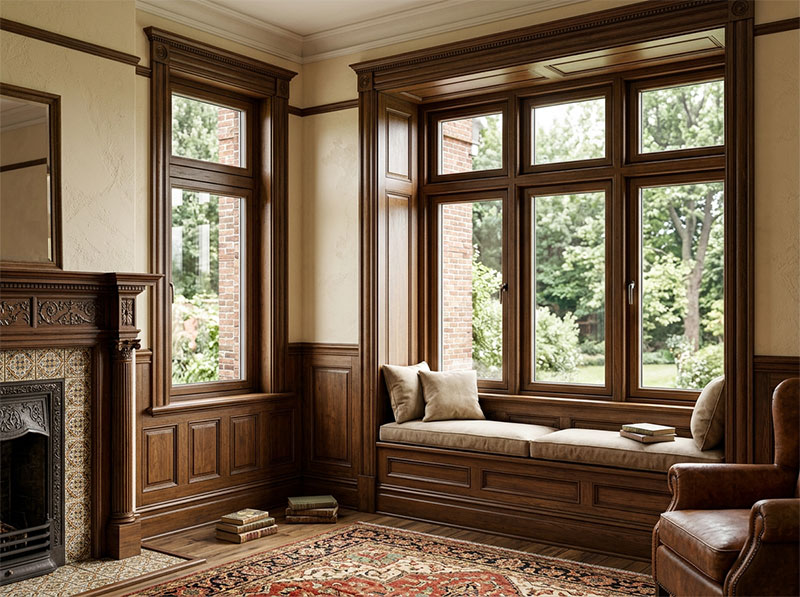
Retrofit is also preferable in situations where interior finishes must be preserved. In homes with original woodwork, plaster walls, or expensive tile surrounds adjacent to window openings, the invasiveness of full-frame removal presents a real risk of incidental damage. Retrofit installation eliminates that risk almost entirely.
Finally, timeline constraints often favour retrofit. When windows need to be replaced before the heating season or within a tight project schedule, the faster installation pace of retrofit is a meaningful advantage.
When Is Brick-to-Brick Window Installation the Better Option?
Full-frame installation is not always the premium option; in specific circumstances, it is the necessary one. Choosing a retrofit where brick-to-brick is warranted can result in a failed installation within a few years, with moisture damage, air leakage, and energy loss that ultimately cost far more than the original labour savings.
The clearest indicator for full-frame replacement is visible or suspected frame damage. Soft wood at the sill, staining at the jamb corners, paint failure on the exterior trim, or a history of condensation running down the interior glass are all signs that the existing frame may harbour moisture damage that a retrofit installation will seal in rather than correct.
Structural alterations to the opening also require brick-to-brick installation. If the rough opening is being resized or reconfigured, or the lintel or sill plate requires repair, the full frame must be removed to access and address those elements.
Energy performance targets are another driver. In whole-building energy retrofits or new construction projects targeting a specific energy rating, the thermal continuity and air-sealing control provided by brick-to-brick installation may be required to meet the performance standard. The incremental improvement in air tightness at the window perimeter, while modest on a per-window basis, is measurable at the whole-building level and is particularly significant in cold Canadian climates.
According to Natural Resources Canada's Office of Energy Efficiency, windows, doors, and skylights can account for up to 25 — 35% of residential heating and cooling energy loss. In poorly detailed window openings, infiltration and conduction through the frame perimeter can account for a substantial portion of that loss, and brick-to-brick installation is the only method that allows full remediation of those pathways.
Conclusion: Which Window Installation Method Is Right for Your Home?
The choice between retrofit and brick-to-brick installation is not a matter of one method being superior to the other. It is a matter of matching the method to the specific condition of the existing window opening and to the project's performance objectives. Both methods, when correctly specified and properly executed, deliver durable and energy-efficient results.
The most reliable starting point is a professional frame inspection before purchasing. Working with an experienced window company that takes the time to assess existing conditions, rather than defaulting to a single installation method for all projects, will yield better outcomes and help avoid costly remediation later.
Window Force manufactures windows for both retrofit and full-frame installation, and our authorized dealers across Ontario, Alberta, and British Columbia are trained to assess frame conditions before recommending a method. Contact our team for a consultation — we’ll help match the right product configuration and installation approach to your specific project.

Frequently Asked Questions
Can retrofit windows be installed in any existing frame?
No. Retrofit installation requires that the existing frame be structurally sound, plumb, and free of moisture damage. Frames that are rotted, significantly out of square, or compromised by water infiltration are not suitable candidates. A professional inspection should confirm frame condition before any retrofit installation proceeds.
Does brick-to-brick installation always cost more than retrofit?
In almost all cases, yes. The labour involved in removing the existing frame, preparing the rough opening, installing flashing, and completing interior and exterior finishing adds high cost compared to a retrofit insert installation. The window unit cost is the same; the difference is driven by labour and ancillary work.
Will retrofit windows reduce the size of my window opening?
Yes, by a small amount. Because the new unit must fit within the existing frame, the visible glass area is typically reduced by 1 to 2 inches on each side. For most homeowners, this reduction is not perceptible in daily use, but it is worth considering in light-sensitive rooms.
How do I know if my existing frames are suitable for retrofit installation?
Look for signs of rot (soft or discoloured wood at the sill and jamb corners), paint failure at the exterior trim, staining or efflorescence at the frame-to-wall junction, and a history of interior condensation or water intrusion. If any of these are present, a full-frame inspection by a qualified installer is warranted before proceeding.
Are there differences in energy performance between the two installation methods?
The window unit itself delivers the same thermal performance regardless of installation method. However, brick-to-brick installation allows for superior air sealing and insulation continuity at the frame perimeter, which can result in measurably better whole-assembly performance, particularly in cold climates.
How long do retrofit windows last compared to brick-to-brick replacements?
The service life of the window unit is the same in both cases, typically 20 — 30 years for a quality vinyl window with a sealed double- or triple-pane unit. What differs is the risk profile: a retrofit installation in a compromised frame may fail earlier due to moisture infiltration or air leakage, while a brick-to-brick installation with properly detailed flashing is more likely to achieve its full design life.
What should I ask a window installer before deciding on an installation method?
Ask the installer to inspect the existing frames and provide a written assessment of their condition. Ask specifically whether the sill and jamb corners show any signs of moisture damage, whether the frame is plumb and square, and what the installer recommends based on their findings, not what is easiest to install. A qualified window manufacturer's representative or experienced installer will give you a clear, evidence-based recommendation.
People Also Ask