

What Is a Full Frame Replacement Window and How Does It Differ from Insert Replacements?
When homeowners start planning a window renovation, one of the first decisions they face is whether to choose a full frame replacement or an insert (pocket) replacement. While both methods aim to improve comfort, energy efficiency, and appearance, they differ significantly in scope, cost, and long-term value. Understanding these differences helps determine which approach best suits your home’s structure and efficiency goals.
What Is a Full Frame Replacement Window?
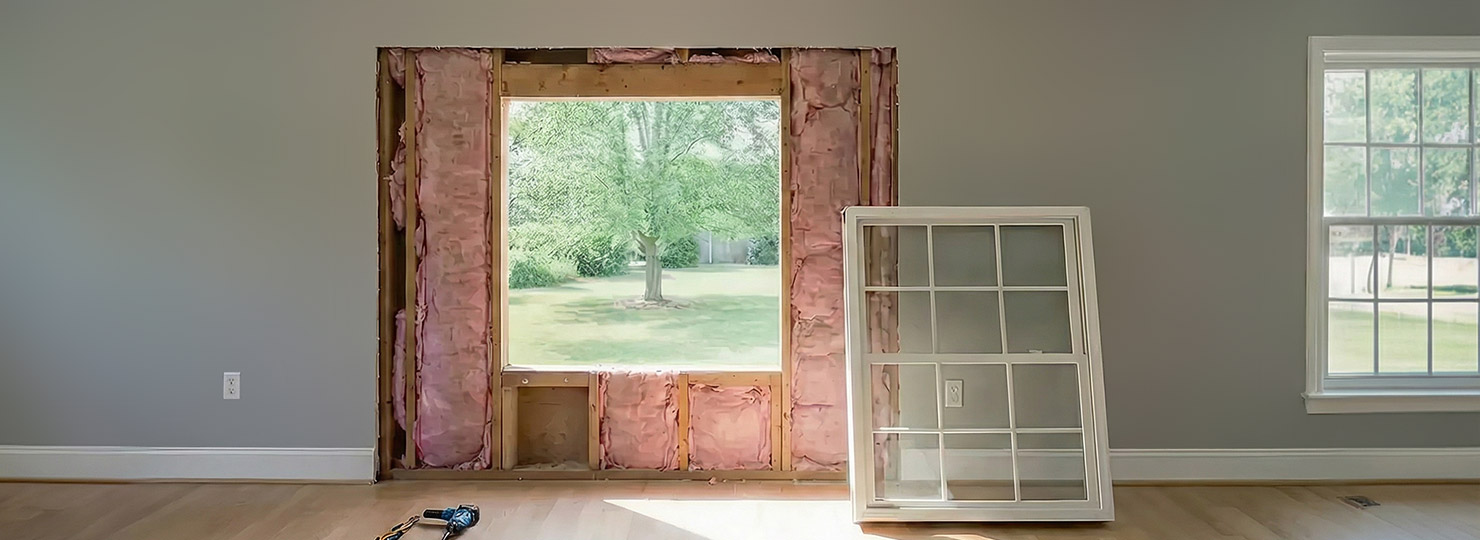
A full frame replacement involves removing the entire existing window unit — frame, sashes, trim, and casing — down to the rough opening of the wall. This process allows installers to inspect the surrounding structure for rot, water damage, or insulation gaps before fitting a completely new window system.
In essence, a full frame replacement is a complete renewal of the window assembly. It’s often chosen for older homes where the existing frames have deteriorated or where energy loss and air leakage have become noticeable over time. This method also provides the opportunity to update the design, size, and materials of the window to better match current performance and aesthetic standards.
What Is an Insert (Pocket) Replacement?
An insert or pocket replacement is a less invasive option. Instead of removing the entire frame, installers fit a new window into the existing frame. The original casing, interior trim, and exterior frame remain in place. This approach is faster and more affordable because it requires less labor and fewer materials.
However, while insert replacements can improve appearance and functionality, they don’t address underlying structural or insulation issues. If the original frame is warped, rotted, or out of square, the new insert won’t fit perfectly, which can lead to drafts or moisture problems over time.
Key Differences Between Full Frame and Insert Replacements
| Feature | Full Frame Replacement | Insert (Pocket) Replacement |
| Installation Scope | Removes the entire frame, sill, and trim. | Fits new window inside existing frame. |
| Structural Inspection | Full inspection of wall cavity for rot or moisture. | No access to underlying structure. |
| Energy Efficiency | Highest — new frame insulation and sealing reduce heat loss. | Moderate — depends on condition of old frame. |
| Customization | Allows changes in window size, shape, or style. | Limited to existing frame dimensions. |
| Aesthetic Options | Fresh interior and exterior finish; complete design reset. | Retains old trim and frame appearance. |
| Installation Time | Longer, typically 1 — 2 days per window. | Faster, often completed within hours. |
| Typical Cost Range | $1,200—$2,000 per window (depending on size and material). | $700—$1,100 per window. |
| Best Use Case | Older homes, damaged frames, or major remodels. | Newer homes with sound frames and limited budgets. |
When to Choose Each Method
Full frame replacements are ideal when:
- The existing frames show signs of rot, water infiltration, or warping.
- You want to improve insulation and eliminate air leakage points.
- You’re planning to update window size or style for aesthetic or architectural reasons.
- You’re undertaking a major renovation where surrounding walls or trims will be replaced.
Insert replacements are best suited when:
- The existing frame is structurally sound and properly insulated.
- You want a faster, lower-cost installation.
- The current window size and style already meet your design needs.

Research Insight
According to the U.S. Department of Energy, full frame replacements can improve overall window performance by up to 30%, primarily due to better sealing and the ability to correct hidden insulation gaps. In contrast, pocket installations typically improve efficiency by 10 — 15%, depending on the condition of the old frame.
Why the Difference Matters
Choosing between full frame and insert replacements directly impacts your home’s comfort, appearance, and return on investment. While inserts can be a cost-effective short-term fix, full frame replacements deliver superior durability, insulation, and design flexibility. They restore your home’s envelope to like-new condition, ensuring that energy-efficient windows perform to their full potential.
For homeowners planning a long-term solution — especially in Toronto’s mixed climate — a full frame replacement remains the most comprehensive and future-proof choice.
How Does Replacing Both the Window and Frame Improve Energy Efficiency?
Replacing both the window and its frame creates a complete, sealed system that eliminates the weak points responsible for energy loss. While partial or insert replacements upgrade only the glass or sash, full frame replacements rebuild the entire thermal boundary around the window. This approach ensures that every part of the installation — from the glass to the framing — is optimized for insulation and airtightness.
Comprehensive Heat Loss Reduction
Energy loss through windows occurs in three main ways: conduction (heat passing through materials), convection (air movement), and air infiltration (leaks). Full frame replacements address all three. By removing the old frame and sealing the rough opening with modern insulation and vapor barriers, installers prevent heat transfer through the wall cavity.
The Role of Tight Seals and Installation Quality
A full frame replacement enables proper sealing between the window unit and wall structure. This includes:
- Spray foam insulation applied around the frame perimeter to prevent air gaps.
- Flashing membranes that direct water away from the structure.
- High-performance caulking for continuous air sealing.
Together, these elements form a durable, energy-efficient envelope that retains conditioned air and blocks outdoor drafts. When paired with ENERGY STAR-certified windows, homeowners can expect a measurable reduction in heat loss and humidity variations.
ENERGY STAR Certification Benefits
ENERGY STAR-certified full frame windows meet strict Canadian performance standards for U-factor (thermal transmittance) and SHGC (Solar Heat Gain Coefficient). In Toronto’s climate, the optimal configuration typically features:
| Performance Metric | Recommended Range | Energy Benefit |
| U-Factor | ≤ 1.4 W/m²·K | Minimizes heat loss during winter months. |
| SHGC | 0.25 — 0.40 | Balances solar heat gain and glare control. |
| Air Leakage | ≤ 1.5 L/s·m² | Reduces drafts and moisture infiltration. |
Meeting these standards ensures long-term comfort and measurable energy savings. In most cases, upgrading from outdated units to ENERGY STAR-rated full frame systems can reduce annual heating costs by 20 — 25%.
Example: Before-and-After Energy Cost Savings
To illustrate, consider a Toronto homeowner with ten 20-year-old wood-framed windows that have deteriorated seals. The household’s average annual heating and cooling expense is $2,000. After installing ENERGY STAR-certified full frame replacements:
- Heating and cooling costs drop by approximately $450 per year (or 22%).
- Indoor temperature remains consistent, even near exterior walls.
- Humidity control improves, reducing condensation and mold risk.
Over a decade, this results in $4,500 in energy savings, along with improved comfort and property value.
Enhanced Insulation Through Modern Materials
Full frame installations make it possible to integrate the latest technologies for insulation and energy performance, including:
- Low-E glass coatings that reflect infrared heat back into the room.
- Argon or krypton gas fills between panes to slow heat transfer.
- Foam-insulated vinyl or fiberglass frames that outperform aluminum in thermal resistance.
These combined innovations create a system that resists both conductive and convective energy loss, maximizing comfort across all seasons.
Overall Impact on Home Performance
By replacing the window and frame together, homeowners eliminate thermal bridges, ensure continuous insulation, and achieve airtight sealing throughout the perimeter. The result is a quieter, warmer, and more energy-efficient home with lower utility bills and reduced environmental impact.
For Toronto’s variable climate — where winters are cold and summers humid — full frame replacements deliver superior year-round performance, making them one of the most effective upgrades for sustainable home energy efficiency.
Windows Near Me
What Materials and Designs Are Best for Full Frame Replacements?
Choosing the right materials for a full frame window replacement is critical to achieving long-term durability, insulation, and design consistency. Each frame type — vinyl, aluminum-clad, and fiberglass — offers distinct performance characteristics, costs, and maintenance requirements. The best choice depends on the homeowner’s priorities, climate conditions, and aesthetic preferences.
Comparing Common Materials
| Material | Durability | Energy Efficiency | Maintenance Level | Typical Cost (Per Window) | Ideal Use Case |
| Vinyl (uPVC) | 25 — 30 years | ★★★★★ | Low | $1,200—$1,800 | Best all-around choice for energy savings and affordability. |
| Aluminum-Clad Wood | 30 — 40 years | ★★★★☆ | Medium | $1,500—$2,200 | Excellent for traditional homes with wood interiors and modern exteriors. |
| Fiberglass | 35 — 50 years | ★★★★★ | Low | $1,800—$2,500 | Superior thermal stability; ideal for harsh climates. |
| Wood (Unclad) | 20 — 25 years | ★★★☆☆ | High | $1,600—$2,300 | Best for heritage or architectural restorations requiring authentic finishes. |
Vinyl Frames: The Reliable Energy Performer
Vinyl (uPVC) remains the most popular option for full frame replacements in Toronto due to its combination of affordability, insulation, and minimal maintenance. Multi-chambered designs in vinyl frames trap air for added thermal resistance, while fusion-welded corners prevent air infiltration. These frames resist moisture, fading, and warping, making them ideal for humid summers and freezing winters.
Manufacturers such as Window Force Inc. incorporate foam-insulated vinyl frames to further enhance energy performance, achieving some of the lowest U-factors in the industry. Vinyl also offers design versatility with customizable finishes and profiles that mimic natural wood grain.
Aluminum-Clad Frames: Classic Style With Modern Protection
Aluminum-clad wood frames combine traditional aesthetics with modern weather resistance. The interior wood provides natural warmth and insulation, while the exterior aluminum shell protects against UV rays, rain, and fluctuating temperatures. This hybrid design is particularly popular among homeowners who want the visual appeal of wood without extensive upkeep.
While slightly less insulating than pure vinyl or fiberglass, aluminum-clad systems still meet ENERGY STAR standards when paired with Low-E glass and gas-filled glazing units. They’re an excellent balance between heritage appearance and modern resilience.
Fiberglass Frames: Premium Performance and Longevity
Fiberglass is considered the high-end standard for full frame replacement windows. It expands and contracts at nearly the same rate as glass, reducing stress on seals and maintaining airtight performance over decades. Fiberglass frames are also highly rigid, which allows for narrower profiles and larger glass areas — aesthetic advantages for modern designs.
Although they come at a higher price point, fiberglass windows deliver top-tier thermal performance and lifespan, making them ideal for homeowners seeking maximum durability and energy efficiency.
Cost and Longevity Overview
| Frame Type | Average Lifespan | Maintenance Needs | Relative Cost | Energy Efficiency Rating |
| Vinyl | 25 — 30 years | Minimal | $$ | Excellent |
| Aluminum-Clad | 30 — 40 years | Moderate | $$$ | Very Good |
| Fiberglass | 35 — 50 years | Minimal | $$$$ | Excellent |
| Wood | 20 — 25 years | High | $$$ | Moderate |
Design Considerations for Full Frame Installations
Beyond materials, the design and construction of the replacement window significantly influence performance:
- Frame thickness and chamber design improve insulation and soundproofing.
- Fusion-welded joints prevent air and water leakage compared to mechanically fastened frames.
- Color stability and UV-resistant coatings preserve appearance and prevent fading.
- Custom trim and sill options allow the window to integrate seamlessly into any home design.

Expert Insight
According to Energy Star Canada (source), material choice can influence window efficiency by up to 20%, especially when paired with proper installation and glass technology. Vinyl and fiberglass consistently outperform aluminum in thermal resistance, making them preferred materials for cold-weather climates like Ontario’s.
For most homeowners, vinyl and fiberglass offer the best combination of efficiency, cost, and longevity for full frame replacements. Aluminum-clad wood options remain ideal for traditional homes, while pure wood frames appeal to restoration projects. With modern manufacturing techniques and precise installation from experts like Window Force Inc., homeowners can expect both aesthetic appeal and measurable energy savings for decades.
What Should Homeowners Know Before Starting a Full Frame Window Replacement Project?
Replacing an entire window system is a major home improvement project that requires careful preparation and planning. Homeowners who understand what to expect — from the initial inspection to post-installation care — can ensure the process goes smoothly and that their investment delivers maximum performance.
Step 1: Inspect Existing Windows and Frames
Before committing to a full frame replacement, assess the condition of your existing windows and surrounding structures. Look for:
- Rot or moisture damage on sills, jambs, or exterior trim.
- Condensation between panes, which signals failed seals.
- Drafts or cold spots near window edges.
- Warping or discoloration around frames.
If you notice any of these issues, a full frame replacement is likely necessary to restore energy efficiency and structural integrity.
Step 2: Schedule a Professional Assessment
A certified window specialist can evaluate whether a full frame replacement is required or if a pocket installation will suffice. During this visit, they measure openings, inspect insulation, and check for air leakage. The specialist will also discuss design options, glazing types, and materials suited to your climate and budget.
Window Force Inc. provides in-home consultations where experts use thermal imaging tools to locate hidden energy leaks and recommend the best solutions for long-term comfort and savings.
Step 3: Plan for Proper Installation Timing
Full frame replacements are best scheduled during mild weather — typically spring or fall — when temperature and humidity are stable. This minimizes expansion or contraction of materials and ensures optimal sealing performance. Homeowners should plan for minor disruptions since each window can take several hours to remove and replace.
Step 4: Prepare the Work Area
Before installation day:
- Remove curtains, blinds, and window treatments.
- Move furniture and valuables at least three feet from each window.
- Disable security sensors or alarms on windows.
- Clear exterior access paths for installers and equipment.
Proper preparation helps the crew work efficiently and reduces the risk of damage during the process.
Step 5: Understand the Installation Process
During a full frame replacement, installers will:
- Remove the existing window, including the frame, sill, and trim.
- Inspect the rough opening for hidden damage or moisture.
- Apply new flashing, insulation, and vapor barriers.
- Secure the new window with proper alignment and shimming.
- Seal all edges with weather-resistant caulking and foam insulation.
- Finish the interior and exterior trim for a polished appearance.
Each step ensures that the window achieves its rated energy performance and remains leak-free for years.
Step 6: Review Warranty and Certification Details
Before signing off, confirm that the installation complies with CSA A440.4 and ENERGY STAR Canada standards. Ask the contractor to provide written warranties covering both product and labor. Reputable manufacturers like Window Force Inc. include multi-year protection on frame integrity, glass seals, and hardware performance.
Step 7: Post-Installation Inspection
Once installation is complete, perform a walkthrough with the installer. Check for smooth operation, clean finishes, and consistent sealing around the edges. A final inspection ensures that every unit is properly aligned and airtight.
Checklist from Window Force Inc. Professionals
To make preparation easier, here’s a quick homeowner checklist before starting a full frame replacement project:
- Schedule a professional assessment.
- Select energy-efficient materials (vinyl, fiberglass, or aluminum-clad).
- Confirm CSA and ENERGY STAR certifications.
- Plan installation during moderate weather.
- Prepare all work areas and remove obstructions.
- Review warranty coverage and product details.
A full frame window replacement project requires careful coordination between homeowners and certified professionals. With proper inspection, preparation, and execution, the result is a home that’s more comfortable, energy-efficient, and visually appealing. Working with experienced specialists like Window Force Inc. ensures that every stage — from consultation to final inspection — is handled with precision and care.
How Much Do Full Frame Replacement Windows Cost and What Affects the Price?
One of the most common questions homeowners ask before starting a full frame replacement project is how much it will cost. The answer depends on several variables — materials, size, glass type, and installation complexity all play major roles in determining the total price. Understanding these factors helps set realistic expectations and ensures the best return on investment.
Average Cost Overview
The cost of full frame window replacement in Canada typically ranges between $1,200 and $2,500 per window, including materials and labor. The total cost can vary significantly depending on the chosen frame material, glass technology, and any additional customization.
| Frame Material | Average Cost (Installed) | Energy Efficiency Level | Maintenance Needs | Expected Lifespan |
| Vinyl (uPVC) | $1,200—$1,800 | ★★★★★ | Low | 25 — 30 years |
| Aluminum-Clad Wood | $1,500—$2,200 | ★★★★☆ | Medium | 30 — 40 years |
| Fiberglass | $1,800—$2,500 | ★★★★★ | Low | 35 — 50 years |
| Wood (Unclad) | $1,600—$2,300 | ★★★☆☆ | High | 20 — 25 years |
Vinyl and fiberglass windows typically offer the best cost-to-efficiency ratio, while aluminum-clad and wood options appeal to homeowners seeking specific aesthetic or heritage details.
Factors That Influence Price
- Window Size and Design Complexity
Larger or custom-shaped windows (such as bay, bow, or picture styles) require more materials and installation time. Specialty shapes or decorative trims can increase costs by 15 — 30%. - Glass Type and Glazing Options
Energy-efficient glazing technologies — such as Low-E coatings, argon/krypton gas fills, and triple-pane construction — add to the upfront cost but greatly improve insulation and reduce energy bills over time. - Frame Material and Finish
Material choice impacts both price and longevity. Vinyl and fiberglass are cost-effective for most Toronto homeowners, while wood and aluminum-clad systems offer premium finishes for higher budgets. - Installation Complexity
Homes with irregular wall openings, structural damage, or older construction may require additional preparation, insulation, or waterproofing work. This can add 10 — 20% to the project total. - Location and Labor Costs
Urban areas like Toronto typically have slightly higher labor rates due to demand and logistics. Working with a local certified installer ensures compliance with building codes and manufacturer warranty requirements.
Comparison: Insert vs. Full Frame Replacement Cost
| Installation Type | Average Cost per Window | Includes Frame Replacement? | Energy Efficiency Level | Typical ROI |
| Insert Replacement | $700—$1,100 | No | ★★★☆☆ | 45 — 55% |
| Full Frame Replacement | $1,200—$2,500 | Yes | ★★★★★ | 68 — 75% |
Although full frame replacements have a higher initial cost, they provide superior insulation, eliminate hidden frame damage, and deliver higher long-term energy savings — resulting in better overall value.
Data From Authoritative Sources
According to Natural Resources Canada (NRCan) and Energy Star Canada, energy-efficient full frame replacements can reduce annual heating and cooling costs by 20 — 25%, which helps offset installation expenses within several years. Additionally, the Remodeling 2024 Cost vs. Value Report shows that homeowners recoup an average of 70% of full frame window replacement costs through improved resale value.
Practical Example
A Toronto homeowner replacing 10 standard-sized windows with vinyl full frame units might expect the following:
- Average cost per window: $1,400
- Total project cost: $14,000
- Estimated annual energy savings: $400—$500
- Estimated ROI over 10 years: 70 — 75%
While full frame replacement windows require a larger upfront investment than insert options, the long-term benefits — better insulation, higher resale value, and lower maintenance — make them a smarter choice for most homeowners. With accurate estimates, transparent quotes, and certified installation from experts like Window Force Inc., homeowners can confidently plan their projects knowing exactly where their money goes and how it pays off over time.
Conclusion: Are Full Frame Replacement Windows Worth the Investment?
When deciding between partial and full window replacement, homeowners often weigh upfront costs against long-term value. Full frame replacements may initially appear more expensive, but their benefits in durability, comfort, and efficiency make them one of the most rewarding home upgrades available.
Long-Term Value and Durability
Full frame replacements rebuild the entire window structure — frame, sill, trim, and insulation — creating a completely renewed barrier against heat loss, moisture, and air infiltration. This comprehensive installation ensures that every component performs efficiently for decades, eliminating the hidden issues that often plague partial replacements. With modern materials like vinyl, fiberglass, and aluminum-clad wood, full frame systems deliver 25 — 50 years of dependable service.
Superior Energy Efficiency and Comfort
Because full frame installations include new insulation and sealing, they provide measurable improvements in indoor comfort. According to Energy Star Canada, homeowners upgrading to certified full frame systems can cut heating and cooling costs by up to 25% annually. These savings quickly offset the initial investment while keeping interior temperatures more consistent throughout the year.
Increased Home Value
The Remodeling 2024 Cost vs. Value Report indicates that full frame window replacements yield an average ROI of 70 — 75%, making them one of the most cost-effective home improvements available. Prospective buyers increasingly prioritize energy-efficient upgrades, meaning this project not only improves daily comfort but also enhances resale potential.
Aesthetic and Functional Benefits
Full frame replacements also offer unmatched design flexibility. Homeowners can update window size, shape, or style, transforming the appearance of both the interior and exterior. Whether opting for modern casement designs or classic bay windows, full replacements provide a clean, cohesive look while integrating advanced technologies like Low-E coatings and argon gas insulation.
Summary of Advantages
| Benefit Category | Full Frame Replacement | Insert Replacement |
| Energy Efficiency | Excellent — new insulation and air sealing | Moderate — relies on existing frame |
| Durability | 25 — 50 years | 15 — 20 years |
| Structural Repair | Yes — addresses hidden frame damage | No — existing frame remains |
| Customization | Complete size and style flexibility | Limited by old frame dimensions |
| ROI | 70 — 75% | 45 — 55% |
Expert Recommendation
Building efficiency specialists at Natural Resources Canada (NRCan) emphasize that full frame replacements are essential for older homes with deteriorating frames or air leakage issues. By removing the old structure and rebuilding the seal, homeowners can restore insulation integrity and maximize their window’s energy performance.
Final Thoughts
For homeowners in Toronto and across Canada, full frame replacement windows are a smart, future-focused investment. They improve comfort, reduce utility bills, and extend the lifespan of one of the home’s most important energy components. With professional installation from Window Force Inc., the results combine aesthetic refinement with proven energy savings — delivering lasting value and performance for years to come.

Frequently Asked Questions
When should I replace my window frames instead of just the glass?
You should consider full frame replacement when there are visible signs of rot, water damage, or warping around the window. Replacing only the glass won’t fix structural issues or improve insulation if the frame is compromised. If you notice drafts, mold, or uneven window alignment, it’s usually time for a full frame replacement rather than a glass-only repair.
What’s included in professional window and frame replacement services?
A professional full frame replacement includes removing the entire old unit — the sash, frame, trim, and sill — then inspecting the rough opening for any moisture or insulation issues. Installers add new flashing, sealants, and insulation, then fit the new window to ensure airtight, watertight performance. The process concludes with trimming and caulking to restore a clean finish inside and out.
Are full frame replacement windows more expensive to install?
Yes, full frame replacements generally cost more than insert or glass-only replacements because they involve additional materials and labor. However, this investment provides better energy efficiency, longer lifespan, and improved aesthetics. While insert replacements cost about $700—$1,100 per window, full frame systems typically range from $1,200 to $2,500 per unit. Over time, the enhanced insulation and reduced maintenance deliver a higher return on investment.
People Also Ask