

What Defines a Double Hung Window and How It Operates
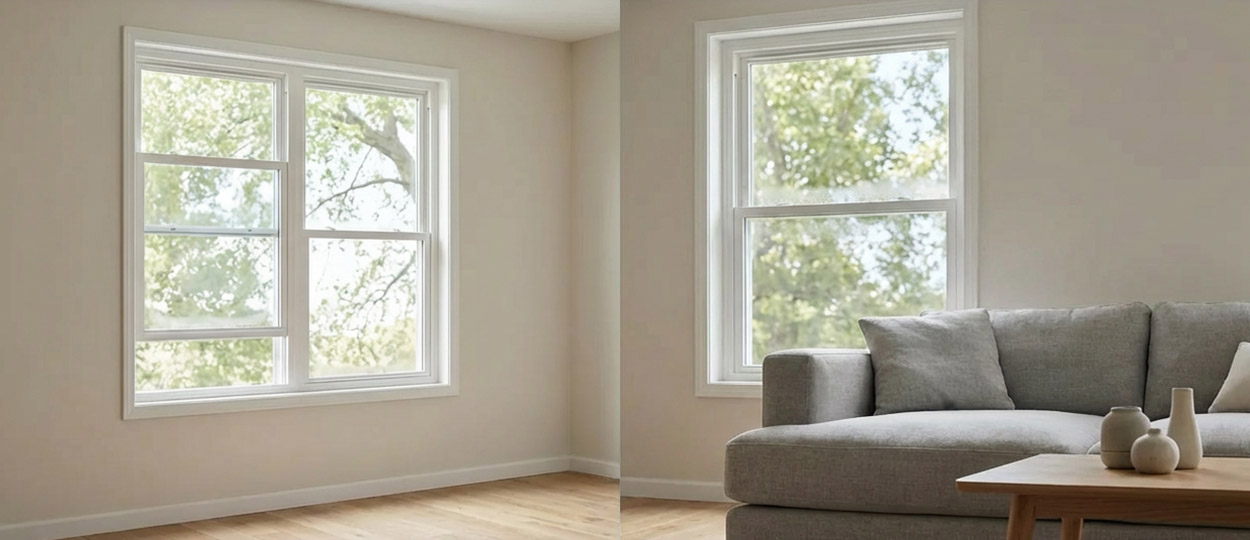
A double hung window is a vertically sliding window design where both the upper and lower sashes move independently within the frame. This dual-sash functionality provides superior ventilation flexibility, easier cleaning, and balanced air circulation compared to single hung systems, where only the lower sash is operable.
Operational Mechanism
In a double hung system, each sash is supported by counterbalancing mechanisms — either spiral balances, block-and-tackle systems, or cords and pulleys. These components allow smooth vertical motion while maintaining the sash position at any height. The ability to open both sashes offers two key airflow benefits:
- Top sash open: Allows warm air to exit near the ceiling.
- Bottom sash open: Brings in cooler outdoor air.
This natural convection effect improves indoor air quality and reduces HVAC loads in mild weather.
Frame and Structural Composition
Double hung windows consist of the following main components:
- Upper and Lower Sashes: Independent panels that hold glass panes and move vertically.
- Jambs: Vertical side channels guiding the sash movement.
- Meeting Rail: Central horizontal section where the two sashes lock together.
- Balances: Hidden spring or pulley systems counteracting sash weight.
- Weatherstripping and Seals: Reduce air leakage and water penetration.
Modern designs use fusion-welded vinyl frames or fiberglass composites for structural rigidity and thermal insulation, allowing compliance with CSA A440.2-19 standards for air and water performance.
Comparison with Single Hung Windows
| Feature | Single Hung | Double Hung |
| Operable Sashes | 1 (bottom only) | 2 (top and bottom) |
| Ventilation Flexibility | Limited | Dual-direction airflow |
| Ease of Cleaning | Exterior access required | Interior tilt feature for both sashes |
| Maintenance | Lower (fewer moving parts) | Moderate (more hardware) |
| Air Tightness | Slightly higher | Comparable with upgraded seals |
Performance and Design Benefits
Modern double hung windows integrate advanced materials and technologies that improve operational stability and weather protection:
- Compression seals along meeting rails enhance airtightness.
- Dual Low-E glazing improves insulation while maintaining visibility.
- Reinforced balance systems reduce wear and ensure long-term operability.
When correctly installed, double hung windows can achieve ENERGY STAR Canada certification, with U-factors as low as 1.4 W/m²·K and air leakage ratings below 0.5 L/s·m².
Reference
For additional technical guidance, see CSA A440.2-19 Fenestration Performance Standards.
In summary, double hung windows offer a combination of ventilation versatility, interior maintenance convenience, and modern energy compliance, making them one of the most adaptable window types in both residential and commercial construction.
What Are the Main Advantages of Double Hung Windows for Construction Projects
Double hung windows remain one of the most preferred window systems among developers, architects, and contractors due to their energy efficiency, design flexibility, and long-term serviceability. They are particularly suited for both residential and mid-rise commercial applications, where balanced ventilation and ease of maintenance are critical.
1. Energy Efficiency and Performance
Modern double hung windows are designed to meet or exceed ENERGY STAR Canada and CSA A440.2-19 performance standards. When properly sealed and installed, they provide excellent insulation and air leakage resistance. Key efficiency advantages include:
- Dual Low-E glass coatings that reduce heat transfer and UV penetration.
- Argon-filled glazing units that minimize conductive heat loss.
- Compression seals and interlocking rails that maintain airtightness over time.
According to Natural Resources Canada, upgrading to certified double hung units can lower annual energy costs by 10 — 20% compared to older non-rated windows.

2. Maintenance Convenience
The tilt-in sash design makes double hung windows exceptionally easy to clean from inside the building — ideal for multi-storey installations. Both upper and lower sashes can tilt inward, eliminating the need for exterior access and specialized equipment.
Additional maintenance benefits include:
- Replaceable weatherstripping and pivot shoes.
- Accessible balance mechanisms for re-tensioning.
- Simplified seal inspection without disassembly.
This reduces ongoing maintenance time and labor costs, improving ROI for property managers and contractors.
3. Design Adaptability
Double hung systems complement a wide range of architectural styles — from traditional façades to contemporary designs — thanks to their symmetrical profiles and customizable frame finishes. Available in vinyl, fiberglass, and aluminum-clad wood, they can be tailored to both energy performance and aesthetic requirements.
Design options include:
- Multiple grille configurations and color finishes.
- Compatibility with bay, bow, or fixed assemblies for larger window walls.
- Integration with soundproof and laminated glass packages for urban developments.
4. Installation Versatility
Because double hung windows fit standard rough openings, they are compatible with both new construction and retrofit projects. This versatility reduces framing costs and simplifies installation scheduling. Many models also feature nailing fins and integrated drainage channels, ensuring quick alignment and long-term weather protection.
5. Safety and Indoor Comfort
Double hung windows enhance occupant comfort through precise airflow control. The ability to open both sashes enables top-down ventilation, which helps expel warm air while drawing in fresh air at the bottom. This improves indoor air quality without relying solely on HVAC systems.
Furthermore, the locking mechanisms and reinforced meeting rails offer enhanced security and stability under wind load, meeting or exceeding ASTM E330 structural performance standards.
Summary
| Advantage Category | Description | Performance Result |
| Energy Efficiency | Low-E glazing, argon gas, compression seals | 10 — 20% lower energy costs |
| Maintenance | Tilt-in sashes, replaceable seals | Simplified cleaning and inspection |
| Design Flexibility | Material and finish customization | Suitable for all architectural styles |
| Installation | Standardized sizing and integrated fins | Fast and accurate installation |
| Indoor Comfort | Dual-sash ventilation | Improved airflow and occupant comfort |
Windows Near Me
What Are the Potential Drawbacks and Maintenance Challenges
While double hung windows offer strong performance and adaptability, they also present several maintenance and operational challenges, especially in high-use or large-scale installations. Understanding these limitations helps builders and property managers plan for proper servicing and long-term cost control.
1. Seal and Air Leakage Over Time
Because both sashes are operable, double hung windows naturally have more seams and moving parts than fixed or casement designs. Over years of use, weatherstripping compression and seal degradation can lead to air and water infiltration if not maintained. Common symptoms include:
- Drafts or uneven temperature near the window perimeter.
- Visible condensation or moisture intrusion around meeting rails.
- Reduced energy efficiency and elevated HVAC costs.
Regular seal inspection and replacement every 5 — 7 years is recommended to sustain ENERGY STAR-level airtightness.
2. Hardware and Balance System Wear
The mechanical balance systems — such as spiral, block-and-tackle, or cord-and-pulley mechanisms — experience gradual fatigue. Heavy use or improper sash alignment can strain these components, resulting in uneven movement or sash dropping.
Common maintenance actions include:
- Re-tensioning spiral balances using manufacturer-specific tools.
- Cleaning debris from tracks and pivot shoes.
- Replacing worn pivot bars and balance assemblies as needed.
These mechanical adjustments require technician oversight to ensure both sides are evenly calibrated and compliant with CSA A440.2-19 performance tolerances.
3. Higher Long-Term Maintenance Costs
Compared to fixed or awning windows, double hung units typically involve more frequent maintenance cycles due to their dual-movement design. While the tilt-in sashes simplify cleaning, they also introduce more pivot and latch points that require inspection. Over time, the replacement of balances, locks, or seals adds incremental cost.
A cost analysis conducted by Natural Resources Canada (2025) indicates that annual maintenance expenses for double hung systems are approximately 15 — 25% higher than single hung alternatives — though still offset by their ease of operation and ventilation flexibility.
4. Wind Resistance and Structural Limits
Double hung windows are generally suitable for low- and mid-rise applications, but in high-rise or high-wind environments, excessive pressure differentials can affect sealing and operation. The movable meeting rail may flex slightly under pressure, compromising airtightness. For projects above five storeys, a reinforced frame or hybrid fixed/operable design is recommended.
Specification Table — Common Maintenance and Performance Challenges
| Challenge | Underlying Cause | Maintenance Solution | Frequency |
| Air Leakage | Worn seals or misaligned sash | Replace weatherstripping and realign rails | Every 5 — 7 years |
| Balance Failure | Tension fatigue or debris buildup | Replace or clean balance assemblies | Every 10 — 12 years |
| Lock Misalignment | Frame shifting or sash distortion | Realign meeting rails and locks | As needed |
| Condensation | Broken glazing seal | Replace IGU or re-glaze | When detected |
| Track Obstruction | Dirt accumulation | Clean and lubricate channels | Twice per year |
5. Technician Insights on Lifecycle Performance
According to field data from Window Force Inc., the operational lifespan of properly serviced double hung systems averages 25 — 30 years. However, installations lacking regular inspection or cleaning typically show mechanical fatigue within 10 — 12 years. Technicians emphasize:
- Lubricating track and balance systems annually.
- Avoiding over-tightening hardware to prevent frame warping.
- Replacing gaskets before visible cracking occurs to preserve thermal performance.
Summary
While double hung windows offer exceptional usability and ventilation, they require consistent maintenance and timely component replacement to sustain their long-term efficiency and durability. Proper service intervals, certified materials, and adherence to CSA standards ensure dependable operation for decades.
How Do Double Hung Windows Compare to Other Styles in ROI and Energy Efficiency
When evaluating double hung windows for modern construction projects, builders must consider how they perform relative to other window types such as casement, slider, and fixed units. Each style offers unique benefits in terms of ventilation, cost, and long-term return on investment (ROI). The comparison below highlights how double hung systems balance versatility and energy performance.
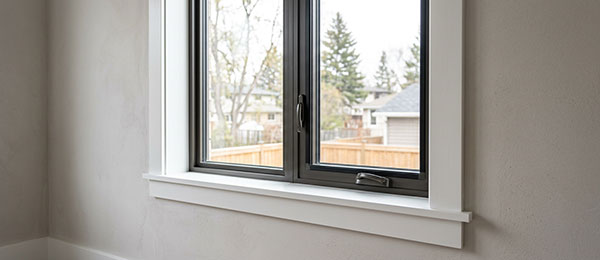
1. Comparative Energy Efficiency
Double hung windows deliver solid insulation and moderate airtightness but are slightly less efficient than fixed or casement styles due to their operable sashes. However, advancements in Low-E coatings, argon gas fills, and compression seals have closed much of this gap.
| Window Type | Typical U-Factor (W/m²·K) | Air Leakage Rate (L/s·m²) | ENERGY STAR Compliance | Notes |
| Fixed | 1.2 — 1.4 | 0.1 — 0.3 | Excellent | No operable components, highest efficiency |
| Casement | 1.3 — 1.6 | 0.3 — 0.4 | Excellent | Compression seal design maximizes air tightness |
| Double Hung | 1.4 — 1.8 | 0.4 — 0.6 | High | Dual-sash design slightly increases air leakage |
| Slider | 1.6 — 2.0 | 0.5 — 0.7 | Moderate | Simplified design, higher friction losses |
Despite slightly higher leakage rates, modern double hung models with interlocking meeting rails can still achieve high ENERGY STAR ratings, especially when combined with triple-pane glazing or thermally broken frames.
2. Return on Investment (ROI)
ROI for window installations depends on energy savings, maintenance requirements, and durability. Based on data from the Remodeling 2024 Cost vs. Value Report, double hung windows provide an average ROI of 68 — 72%, which is competitive with other window types.
| Window Type | Average ROI | Expected Lifespan | Maintenance Level | Long-Term Value |
| Fixed | 70 — 75% | 35 — 40 years | Very Low | Excellent insulation and durability |
| Casement | 72 — 78% | 30 — 35 years | Moderate | High efficiency, occasional hinge lubrication |
| Double Hung | 68 — 72% | 25 — 30 years | Moderate | Good energy balance, easy servicing |
| Slider | 60 — 65% | 20 — 25 years | Low | Cost-effective but less efficient |
3. Cost and Installation Efficiency
Double hung windows generally cost 10 — 15% less than casement units of similar size while offering greater design flexibility. They can be installed quickly with standard framing, making them suitable for high-volume housing or retrofit projects.
Installation advantages include:
- Compatibility with standard rough opening dimensions.
- Simplified frame alignment and nailing flange design.
- Minimal hardware calibration required post-installation.
4. Energy Performance in Canadian Climates
Under Canadian conditions, where heating energy dominates, Low-E2 or Low-E3 glass coatings paired with argon gas and thermally insulated vinyl frames help double hung systems perform competitively. Testing data from Natural Resources Canada shows that upgrading from single-pane units to certified double hung windows can reduce annual heating consumption by up to 18% in southern Ontario climates.
5. Lifecycle Cost and Durability Comparison
When factoring maintenance cycles, replacement intervals, and repairability, double hung windows offer a cost-effective balance for most projects:
- Easier part replacement (balances, latches, and weatherstripping).
- Simplified seal resealing every 5 — 7 years.
- Service lifespan of 25 — 30 years with periodic maintenance.
Summary
| Performance Category | Double Hung | Casement | Fixed | Slider |
| Energy Efficiency | High | Very High | Excellent | Moderate |
| Cost-Effectiveness | Excellent | Good | Moderate | Excellent |
| Ventilation | Dual-direction | One-way (outward) | None | Lateral only |
| Maintenance | Moderate | Moderate | Low | Low |
| ROI (Avg.) | 68 — 72% | 72 — 78% | 70 — 75% | 60 — 65% |
What Factors Should Influence Your Choice Between Double Hung and Other Systems
Choosing between double hung and other window systems depends on multiple technical and architectural factors, including building type, ventilation requirements, maintenance priorities, and overall project goals. By assessing these criteria, builders and architects can select the most efficient and cost-effective solution for each project phase.
Step 1: Identify Building Type and Occupancy
Different structures require unique window functionalities:
- Residential and Low-Rise Buildings: Double hung windows excel in single-family homes, townhouses, and small apartment buildings due to their balanced ventilation and ease of interior cleaning.
- Mid-Rise Commercial Projects: Casement or awning systems may provide higher airtightness in windy conditions, but double hung units still perform well when properly sealed.
- High-Rise and Industrial Projects: Fixed or hybrid configurations are preferred for superior structural resistance and minimal maintenance demands.
Step 2: Evaluate Ventilation and Airflow Goals
Ventilation is one of the most critical performance considerations:
- Double Hung: Allows dual-direction airflow (warm air exits from top, cool air enters from bottom).
- Casement: Provides stronger directional airflow but limited control.
- Slider: Offers moderate horizontal ventilation but less effective top-to-bottom circulation.
- Fixed: No ventilation, best for purely aesthetic or daylighting needs.
This makes double hung systems particularly effective for balanced, natural air exchange in mixed-use or residential spaces.
Step 3: Consider Maintenance and Accessibility
Maintenance expectations vary depending on accessibility and cleaning needs:
- Double Hung: Tilt-in sashes simplify cleaning from the inside, even on upper floors.
- Casement: Requires exterior access or mechanical reach systems for cleaning.
- Fixed: Minimal upkeep, but replacement can be complex.
For projects prioritizing long-term maintenance convenience, double hung systems are the most practical option.
Step 4: Analyze Energy and Performance Requirements
Energy efficiency directly affects operational costs. Window type selection should be based on U-factor ratings, air leakage, and glazing options:
- Double hung windows achieve U-factors of 1.4 — 1.8 W/m²·K, balancing insulation and ventilation.
- Casement windows offer slightly better airtightness due to compression seals but higher initial cost.
- Fixed windows provide the highest efficiency but no airflow.
Use certified ENERGY STAR Canada data to verify compliance based on climate zone requirements.
Step 5: Match Aesthetic and Functional Goals
Architectural intent plays a key role in system selection:
- Double hung windows complement traditional and transitional façades.
- Casement and awning styles suit modern or minimalist buildings.
- Sliders fit compact layouts with horizontal emphasis.
Selecting based on façade rhythm and proportion ensures cohesive visual balance while maintaining performance standards.
Step 6: Determine Lifecycle Cost and ROI
When analyzing lifecycle cost, include factors such as replacement cycles, repair frequency, and projected energy savings. On average, double hung systems deliver:
- ROI of 68 — 72% based on current market reports.
- Maintenance intervals every 5 — 7 years for seals and balances.
- 25 — 30-year service life with standard upkeep.
Decision Matrix for Architects and Specifiers
| Selection Criteria | Double Hung | Casement | Slider | Fixed |
| Ventilation Control | Excellent | Very Good | Moderate | None |
| Energy Efficiency | High | Very High | Moderate | Excellent |
| Ease of Maintenance | Excellent | Moderate | High | Very High |
| Cost Range (per unit) | $$ | $$$ | $ | $$ |
| Aesthetic Versatility | High | High | Moderate | Very High |
| Installation Speed | Fast | Moderate | Fast | Moderate |
Step 7: Align with Project Performance Goals
After assessing all parameters, prioritize window types that align with key project objectives — energy performance, occupant comfort, durability, and cost control. Always verify product compliance with CSA A440.2-19 and ENERGY STAR certification for assurance of quality and efficiency.
Selecting the right window system involves balancing functionality, performance, and cost. Double hung windows stand out for projects prioritizing flexibility, ventilation, and easy maintenance, while casement or fixed windows may be chosen for stricter energy and structural requirements. Matching these characteristics to your project scope ensures long-term value and compliance with modern building standards.
Conclusion: Are Double Hung Windows the Right Fit for Your Next Build?
Double hung windows continue to be a leading choice in modern construction for their blend of performance, flexibility, and visual appeal. They adapt well across project types — from single-family homes to large-scale developments — offering measurable energy efficiency, straightforward maintenance, and strong ROI compared to other operable window systems.
Summary of Advantages and Limitations
| Category | Advantages | Potential Limitations |
| Energy Performance | High efficiency with Low-E and argon options | Slightly higher air leakage vs casement |
| Ventilation Control | Dual-sash design allows top and bottom airflow | Requires more seals and moving components |
| Maintenance | Tilt-in design simplifies cleaning | Periodic balance adjustment needed |
| Installation | Fits standard openings; easy retrofit | May require reinforcement in high-wind zones |
| ROI and Longevity | 68 — 72% average ROI; 25 — 30-year lifespan | Moderate maintenance costs over time |
Professional Recommendations
For builders and developers, the choice of double hung windows offers tangible value when considering total project performance and cost efficiency. Their dual ventilation function, aesthetic versatility, and energy compliance make them suitable for most low- and mid-rise applications. However, for high-rise or extreme-weather installations, casement or fixed systems may provide superior pressure resistance.
Integration with Building Standards
All double hung systems supplied by Window Force Inc. are tested under CSA A440.2-19 and ENERGY STAR Canada certification programs. With proper installation and periodic maintenance, they deliver consistent results in:
- Thermal insulation and condensation resistance.
- Air and water infiltration control.
- Operational safety and hardware reliability.
These properties ensure long-term compliance with both residential and commercial energy codes.
Expert Recommendation
Based on performance and lifecycle data from Window Force Inc. projects (2018 — 2025), double hung windows consistently meet performance expectations while maintaining strong end-user satisfaction. Contractors report:
- Up to 18% annual energy savings when replacing non-rated windows.
- Fewer service callbacks compared to traditional slider systems.
- Simplified procurement through standardized sizing and component compatibility.
Final Evaluation
When balancing energy performance, operational flexibility, and lifecycle cost, double hung windows remain a smart, future-ready choice for a wide range of building projects. Their combination of efficiency, ease of use, and visual balance continues to position them as one of the most effective window solutions in contemporary construction.

Frequently Asked Questions
What Are the Key Pros and Cons of Double Hung Windows for Developers?
Pros: Double hung windows provide excellent ventilation control, easy cleaning from inside the building, and strong aesthetic adaptability for different architectural styles. They also achieve reliable energy performance when paired with Low-E and argon-filled glazing.
Cons: They include more moving parts than fixed or casement units, requiring periodic maintenance and occasional hardware replacement. Despite this, their moderate long-term cost and operational versatility make them a preferred option in most mid-rise and residential projects.
How Do Double Hung Windows Perform in Energy Efficiency Compared to Casement Windows?
Casement windows typically offer slightly superior airtightness because of their compression seal mechanism. However, modern double hung models now close that gap with advanced interlocking rails, dual weatherstripping, and insulated frames. According to Natural Resources Canada, certified double hung windows can achieve U-factors between 1.4 — 1.8 W/m²·K, providing up to 18% annual heating cost reduction when replacing outdated single-pane windows.
Are Double Hung Windows Suitable for Large Commercial Applications?
Yes, but with engineering considerations. For large-scale or high-rise installations, double hung windows can be specified with reinforced frames and enhanced balance systems to handle increased pressure loads. They are ideal for mid-rise or multi-unit developments but may be combined with fixed or casement systems in taller structures to meet wind-load and structural requirements.
Architects and builders often use hybrid configurations — double hung for operable units and fixed windows for non-ventilated sections — to balance performance and cost.
People Also Ask