

Key Takeaways
- Vinyl windows dominate the Canadian residential market because they combine strong insulation, affordability, and minimal maintenance.
- Vinyl frames contain multi-chamber structures that trap air, improving thermal insulation and reducing heat transfer.
- Aluminum frames are structurally strong, but they conduct heat easily and typically require thermal breaks to reach comparable efficiency.
- For most homes, vinyl windows provide the best balance of cost, durability, and performance, particularly in Canadian climates.
- Both vinyl and aluminum windows can last 20 — 30 years or longer, but vinyl performs better in cold climates due to its insulation and resistance to condensation.
What are vinyl windows, and how do they differ from aluminum windows?
When homeowners begin researching replacement windows, one question appears almost immediately: vinyl or aluminum? Both materials have been widely used in residential construction, but they perform very differently in real-world conditions — especially in Canada’s cold winters and hot summers.
The difference between vinyl and aluminum windows begins with the material itself, but extends to how frames are manufactured, how well they insulate a home, and where each type is typically used.
What vinyl windows are made of
Vinyl windows are manufactured from polyvinyl chloride (PVC) — a durable plastic material widely used in building products. The PVC is engineered specifically for window frames and extruded into complex profiles designed to improve structural performance and insulation.
Modern vinyl window frames are not solid plastic blocks. Instead, they typically include multi-chamber internal structures that trap air inside the frame. These chambers work as insulation barriers that help slow heat transfer between indoor and outdoor environments. Natural Resources Canada notes that window frames made from vinyl often include multiple internal chambers that can be filled with foam to improve efficiency.
Several features define modern vinyl windows:
- Multi-chamber PVC frame profiles
- Fusion-welded corners that improve airtightness
- Reinforced frame structures for additional rigidity
- Compatibility with double or triple glazing
This design approach allows vinyl windows to achieve low U-values, a key measurement of heat transfer through a window system. Typical vinyl window U-values range between 0.25 and 0.35, indicating strong insulation performance compared with many other frame materials.
Vinyl frames also resist moisture and corrosion, which is why they are commonly used in residential construction where long-term durability and low maintenance are important.
How aluminum window frames are manufactured
Aluminum windows use extruded aluminum profiles to create narrow and rigid frames. Aluminum is a lightweight metal with high structural strength, allowing manufacturers to produce slim, visually minimal frames.
The typical manufacturing process includes:
- Extruding aluminum into frame profiles
- Cutting and assembling the frame components
- Adding glass units and hardware
- Applying protective coatings or anodizing
Because aluminum is naturally conductive, it transfers heat much more easily than materials such as vinyl or wood. For that reason, modern aluminum windows often incorporate thermal breaks — insulating barriers placed between interior and exterior metal components.
Even with thermal breaks, aluminum frames still tend to provide lower insulation performance than vinyl frames in residential buildings.
However, aluminum does offer advantages such as:
- Very high structural strength
- Thin frame profiles
- Resistance to warping under heavy loads
These characteristics explain why aluminum windows are often used in commercial buildings, high-rise structures, and architectural glazing systems.
Typical residential applications
The material used in a window frame often reflects the priorities of the building.
In Canadian residential construction, homeowners usually focus on:
- energy efficiency
- durability in extreme climates
- long-term cost
- maintenance requirements
Vinyl windows meet many of these priorities, which is why they have become the most widely installed frame type in homes.
Aluminum windows, on the other hand, are often chosen when architectural design requires very narrow frames or large glass panels. In residential properties, they may appear in:
- modern architectural homes
- sunrooms
- sliding patio doors
- custom glazing systems
Still, for most houses, the comparison between vinyl and aluminum windows often comes down to insulation and operating costs.
Vinyl vs aluminum window materials
| Feature | Vinyl Windows | Aluminum Windows |
| Frame material | PVC (polyvinyl chloride) | Extruded aluminum |
| Thermal performance | Excellent insulation due to multi-chamber design | Lower insulation unless thermal breaks are added |
| Typical use | Residential homes | Commercial buildings, modern architecture |
| Maintenance | Minimal | Low, but may require coating maintenance |
| Cost | Usually more affordable | Often more expensive |
For Canadian homeowners evaluating window replacement options, understanding these material differences provides the foundation for making a practical choice.
Windows Near Me
Why are vinyl windows becoming the most popular window choice for modern homes?
Walk through almost any residential neighbourhood undergoing renovation, and you will likely notice the same trend: vinyl window installations dominate the replacement market.

The growth of vinyl windows is not accidental. It is closely tied to energy-efficiency standards, shifting homeowner priorities, and advances in manufacturing technology.
Energy-efficient window materials
Energy efficiency has become one of the most important considerations in window design.
According to Natural Resources Canada, windows, doors, and skylights can account for up to 35% of a home's heat loss if poorly insulated. That means the frame material and glazing system play a significant role in heating costs.
ENERGY STAR® certified windows — widely used in modern residential construction — are about 20% more energy efficient than average window models.
Vinyl frames contribute to this performance because they are non-conductive, meaning they do not readily transfer heat from the outside to the inside.
Key reasons vinyl improves energy efficiency include:
- Multi-chamber insulated frames
- Strong air-tight seals
- Compatibility with Low-E glass coatings
- Argon or krypton gas glazing systems
Combined, these features reduce heat transfer and help maintain stable indoor temperatures.
Energy-efficient windows can also reduce energy bills. Research cited by Canadian housing sources indicates that replacing outdated windows with modern ENERGY STAR® models may reduce household energy costs by 15 — 25% annually.
Growth of vinyl window installations in Canada
Several market factors have accelerated the adoption of vinyl windows in Canada:
1. Climate performance
Canada experiences extreme seasonal temperature swings. Materials used in residential construction must withstand:
- freezing winter temperatures
- summer heat
- freeze-thaw cycles
Vinyl window frames remain stable in these conditions and resist moisture and corrosion.
2. Affordability
Cost remains a decisive factor in renovation projects. Vinyl windows are often 15 — 30% less expensive than comparable aluminum window systems, making them accessible for most homeowners.
3. Maintenance simplicity
Vinyl windows require minimal upkeep. They do not need repainting and do not corrode or rust, unlike some metal frame systems.
4. Improved manufacturing technology
Modern vinyl window systems are far more advanced than earlier versions produced decades ago. Reinforced frames, stronger welding techniques, and improved sealing systems have increased their durability.
In other words, modern window performance depends not only on material but also on engineering precision and manufacturing quality. This is why choosing an experienced window supplier is essential when planning a window replacement project. High-quality production standards and precise installation significantly influence how long windows perform efficiently. Together, these factors explain why vinyl windows are now widely considered the most practical option for residential window replacement.
What are the main pros and cons of vinyl windows?
Every building material involves trade-offs. Vinyl windows are widely preferred in residential construction, but homeowners should still understand both their advantages and limitations before choosing them.
Advantages of vinyl window frames
Vinyl window frames offer several practical benefits that make them a popular choice for modern homes.
Excellent thermal insulation
Vinyl frames are naturally insulating and typically include multi-chamber structures that trap air. This design significantly reduces heat transfer and improves overall window efficiency.
Lower U-values mean less heat loss and more stable indoor temperatures.
Lower cost compared with aluminum
Cost efficiency remains one of vinyl’s strongest advantages.
Vinyl windows are generally 15 — 30% more affordable than aluminum windows with similar glazing and performance characteristics.
For homeowners replacing multiple windows in a house, this price difference can represent thousands of dollars in savings.
Minimal maintenance
Vinyl frames require little maintenance:
- no repainting
- no corrosion
- no sealing required
Regular cleaning with mild soap and water is usually enough to maintain the frame.
Strong resistance to moisture and weather
Vinyl is highly resistant to moisture and does not rot or corrode. In climates with heavy precipitation or snow accumulation, this resistance can significantly extend window lifespan.
Long service life
With proper manufacturing and installation, vinyl windows can last 20 — 30 years or longer, depending on frame reinforcement and seal quality.
As seasoned engineer Sergey Essipov, who has 20 years of experience in window manufacturing, explains:
“The durability of vinyl windows is largely determined by how precisely the frame is engineered and assembled. Proper reinforcement, consistent welding, and reliable seals are what allow a window to perform efficiently for decades.”
Limitations homeowners should consider
Although vinyl windows offer strong overall performance, there are a few limitations to understand.
Limited colour customization
Vinyl frames are usually manufactured in neutral colours such as white, beige, or black. While coatings and laminates exist, aluminum frames traditionally offer more colour and finish options.
Slightly thicker frames
Vinyl requires thicker profiles than aluminum to achieve similar structural strength. This means frame sections may appear wider in some window designs.
Structural limits for very large openings
Extremely large glass panels — common in commercial buildings — often require aluminum or steel frames because of their higher structural strength.
However, for most residential window sizes, modern reinforced vinyl frames provide more than adequate strength.
Pros and cons comparison
| Feature | Vinyl Windows | Aluminum Windows |
| Insulation | Excellent | Lower without thermal break |
| Cost | Lower | Higher |
| Maintenance | Very low | Low |
| Structural strength | Moderate | Very high |
| Colour options | Limited | Extensive |
When evaluating these factors together, many homeowners conclude that vinyl windows provide the best balance of performance, efficiency, and cost.
How durable are aluminum windows compared to vinyl window frames?
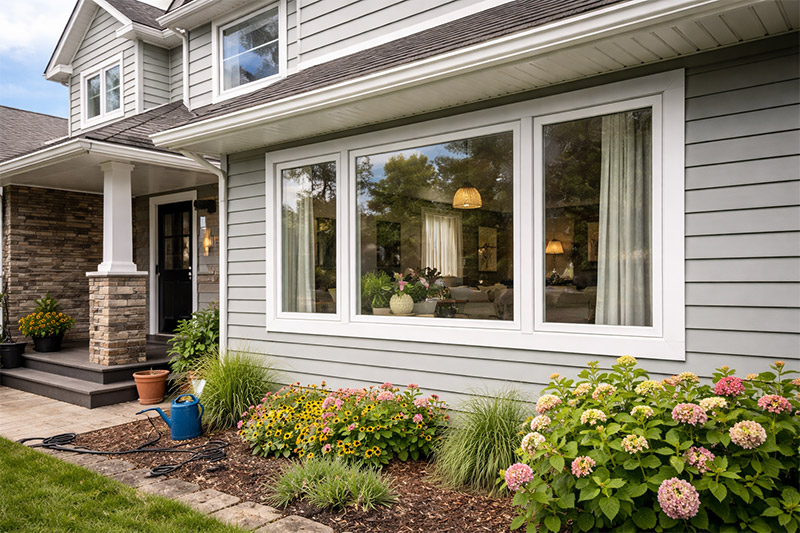
Durability is often cited as a reason some builders prefer aluminum windows. But durability includes several factors: structural strength, weather resistance, corrosion protection, and long-term performance.
When these elements are examined together, the comparison between aluminum and vinyl becomes more nuanced.
Structural strength of aluminum
Aluminum is undeniably strong. It has a high strength-to-weight ratio and can support large glass panes with relatively thin frames.
This structural advantage explains why aluminum is commonly used in:
- high-rise curtain wall systems
- commercial buildings
- large architectural windows
The rigidity of aluminum frames allows designers to create sleek, minimalist glazing systems with wide glass surfaces.
However, structural strength alone does not determine overall window durability in residential environments.
Weather resistance comparison
Durability in Canadian climates depends heavily on how well a material resists temperature changes, moisture, and corrosion.
Aluminum performance
Aluminum naturally resists rust, but it conducts heat very efficiently. Without thermal breaks, aluminum frames can transfer cold temperatures indoors, contributing to condensation and heat loss.
Because of this property, aluminum windows require additional insulation to meet modern energy-efficiency standards.
Vinyl performance
Vinyl frames behave differently.
PVC does not conduct heat easily and provides better natural insulation. In addition, vinyl is resistant to:
- corrosion
- moisture absorption
- insect damage
These characteristics make vinyl frames stable in extreme weather conditions.
Research on residential window materials also shows that vinyl windows are more weather-resistant and moisture-resistant than aluminum frames, particularly in climates with large seasonal temperature swings.
Lifespan comparison
| Durability Factor | Vinyl Windows | Aluminum Windows |
| Corrosion resistance | Excellent | Very good |
| Thermal performance | High | Lower without thermal break |
| Moisture resistance | Excellent | Good |
| Structural strength | Moderate | High |
| Typical residential lifespan | 20 — 30+ years | 20 — 30+ years, depending on coating |
In residential housing — particularly in cold climates — vinyl windows often provide the most balanced combination of durability, efficiency, and cost.
How durable are aluminum windows compared to vinyl window frames?
Durability is one of the most discussed aspects when comparing vinyl and aluminum windows. Many homeowners assume that because aluminum is a metal, it must automatically be stronger and longer-lasting. In reality, durability involves several factors — including structural strength, resistance to weathering, corrosion protection, and long-term stability across different climates.

When these factors are considered together, both aluminum and vinyl windows can perform well, but in different ways. In residential construction — particularly in Canada — the material that maintains consistent performance across temperature extremes often proves to be the more practical choice.
Structural strength of aluminum
Aluminum is widely known for its high strength-to-weight ratio. This property allows manufacturers to create window frames that are thin yet capable of supporting large glass panes.
Because of this structural advantage, aluminum windows are frequently used in:
- commercial buildings
- high-rise construction
- large architectural glazing systems
- curtain wall façades
These applications benefit from aluminum’s rigidity and ability to support wide glass surfaces with minimal frame thickness.
However, the structural strength of aluminum does not automatically translate to better overall durability for residential windows. Houses typically use smaller window openings where extreme structural strength is not required. In these situations, modern vinyl frames — especially reinforced designs — provide more than enough stability for long-term residential performance.
Modern vinyl windows often include internal steel or composite reinforcements, which significantly improve frame rigidity without sacrificing insulation.
Weather resistance comparison
Durability in Canadian homes is heavily influenced by exposure to moisture, temperature changes, and seasonal freeze-thaw cycles. Materials that respond poorly to these conditions can deteriorate faster or cause operational problems.
Aluminum and temperature transfer
Aluminum is highly conductive, meaning it transfers heat quickly. In cold weather, exterior temperatures can travel through the frame, making the interior surface colder. This can increase the likelihood of condensation around window edges.
To address this issue, many aluminum windows incorporate thermal break technology, in which an insulating material separates the interior and exterior aluminum components.
While thermal breaks improve energy performance, they add complexity and cost to aluminum window systems.
Vinyl and moisture resistance
Vinyl windows behave differently because PVC is naturally resistant to moisture and corrosion. The material does not rust, rot, or absorb water.
This characteristic makes vinyl particularly suitable for climates with:
- heavy snowfall
- frequent rain
- fluctuating temperatures
According to Natural Resources Canada’s housing efficiency guidance, well-constructed vinyl windows provide stable thermal performance and strong resistance to environmental exposure in residential applications.
Lifespan comparison
When properly manufactured and installed, both vinyl and aluminum windows can last several decades. The actual lifespan often depends on the window manufacturer's engineering standards and the quality of installation. The difference often lies in how well the window maintains performance over time.
| Durability Factor | Vinyl Windows | Aluminum Windows |
| Structural strength | Moderate to high (with reinforcement) | Very high |
| Corrosion resistance | Excellent | Very good |
| Moisture resistance | Excellent | Good |
| Thermal stability | Very high | Moderate |
| Typical residential lifespan | 20 — 30+ years | 20 — 30+ years |
In practical terms, for most residential homes, the durability of vinyl windows is more than sufficient — especially when paired with high-quality manufacturing and professional installation.
How does energy efficiency compare between vinyl and aluminum window frames?
Energy efficiency is one of the most important performance indicators for modern windows. In Canadian homes, where heating costs account for a large share of annual energy use, the insulation properties of window frames and glazing systems significantly influence overall energy consumption.
As a seasoned engineer, Sergey Essipov, who has 20 years of experience in window manufacturing, notes:
“When comparing window materials, homeowners often focus on strength, but real performance comes from thermal stability and sealing quality. In residential homes — especially in colder climates — a well-engineered vinyl window usually provides a more balanced combination of insulation, durability, and long-term efficiency.”
Why vinyl is naturally insulating
Vinyl window frames are manufactured from polyvinyl chloride (PVC), a material with naturally low thermal conductivity. This means it does not easily transfer heat from one side of the frame to the other.
Modern vinyl windows also incorporate multi-chambered frame structures that trap air within the frame profile. Air is a poor heat conductor, so these chambers act as insulation layers.
Additional features that improve vinyl window efficiency include:
- fusion-welded corners that improve airtightness
- compatibility with double- and triple-pane glazing
- Low-E glass coatings
- argon or krypton gas fills
Together, these features significantly reduce heat transfer through the window system.
Thermal break technology in aluminum windows
Aluminum frames, by contrast, conduct heat easily. This means that without additional insulation, aluminum windows can transfer cold exterior temperatures into the home.
To improve efficiency, manufacturers incorporate thermal break systems. A thermal break is an insulating barrier placed between interior and exterior aluminum frame components.
While this technology reduces heat transfer, aluminum windows typically still have higher thermal conductivity compared with vinyl frames.
Because of this difference, aluminum windows often require:
- thicker glazing systems
- specialized insulation materials
- higher manufacturing precision
These factors can increase both cost and complexity.
For Canadian homeowners, the difference in thermal performance can translate directly into lower heating costs and improved indoor comfort. Vinyl windows provide an advantage because they combine strong insulation with lower cost, making them one of the most effective upgrades for improving a home's energy efficiency.
What is the typical cost of vinyl windows compared to aluminum windows?
Cost is often one of the first considerations when homeowners compare window materials. The price of a window system depends on several factors, including frame material, glass type, installation complexity, and the size of the opening.
In most residential projects, vinyl windows are considered the most cost-effective option, particularly when balancing price and energy performance.
Window installation costs
Window replacement projects typically include two major cost components:
- The window unit itself
- Professional installation
Installation costs depend on several variables, such as:
- window size
- accessibility of the opening
- structural modifications required
- labour rates in the region
According to Canadian renovation cost estimates, professional installation can range between $150 and $500 per window, depending on project complexity.
Installation also includes sealing, insulation, and finishing work that ensures the window performs properly in Canada’s climate.
Price per window type
The difference between vinyl and aluminum window pricing becomes more noticeable when comparing the cost of the window units themselves.
Industry cost estimates indicate that vinyl windows are often 15 — 30% more affordable than aluminum windows with similar glazing performance.
| Window Type | Average Cost per Window (Canada) | Typical Applications |
| Vinyl windows | $300 — $800 | Residential homes |
| Aluminum windows | $500 — $1,200+ | Commercial and architectural applications |
These price ranges vary depending on glazing upgrades such as:
- triple-pane glass
- Low-E coatings
- gas fills
- specialized hardware
Even with additional performance features, vinyl windows often remain more affordable than aluminum alternatives.
Which window option is better suited for cold climates like Canada?
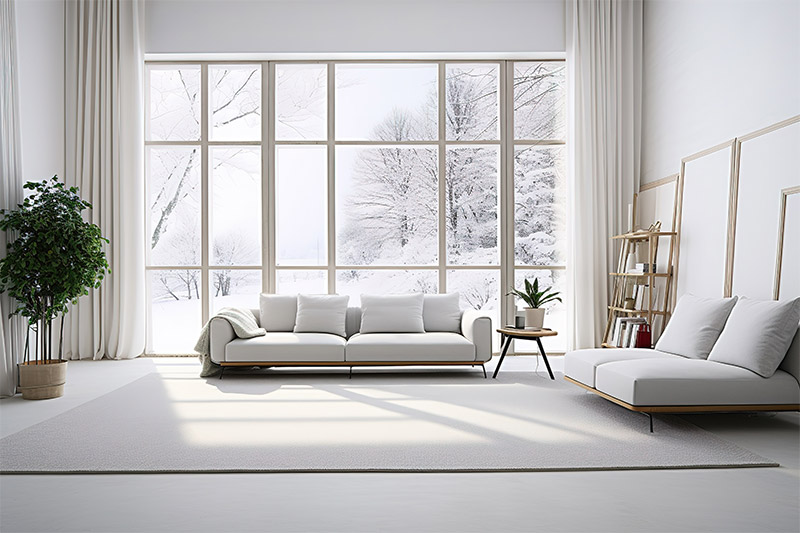
Canada’s climate presents serious challenges for building materials. Winter temperatures regularly drop below freezing in many provinces, and homes must remain energy-efficient while resisting moisture, condensation, and thermal stress.
This is particularly important for homeowners installing windows in Ontario, where seasonal temperature fluctuations require durable, energy-efficient window systems.
Because windows are one of the most vulnerable parts of the building envelope, the frame material plays a critical role in maintaining indoor comfort and controlling heating costs.
Performance in extreme temperatures
Window frames expand and contract as temperatures change. Materials that respond poorly to these shifts may develop air leaks, lose insulation performance, or allow condensation to form around the frame.
Vinyl window frames perform well in these conditions because PVC has low thermal conductivity. Modern vinyl windows also feature multi-chamber frame designs that trap air inside the profile, helping maintain stable indoor temperatures even during severe cold.
Climate conditions can vary even between smaller communities across Ontario. Homeowners replacing windows in Innisfil, Keswick, or Georgina, for example, often experience colder winds and higher humidity due to their proximity to Lake Simcoe. In contrast, areas such as Halton Hills, Georgetown, and Caledon may experience more pronounced seasonal temperature swings due to their elevation and inland location.
These regional differences explain why insulated vinyl window systems are widely chosen for homes across Ontario.
Aluminum frames, however, are highly conductive. When exterior temperatures drop, the metal frame can quickly transfer cold to the interior surface, which may lead to:
- interior condensation
- increased heat loss
- colder surfaces around the window frame
To reduce this effect, many aluminum windows incorporate thermal breaks — insulating barriers placed between interior and exterior frame components. Even with this technology, aluminum frames typically provide lower insulation performance than vinyl frames in very cold climates.
Condensation risks in winter
Condensation occurs when warm indoor air meets a cold surface. Window frames that readily conduct cold are more likely to develop moisture around the edges.
Vinyl windows reduce the risk of condensation because their insulated frames maintain a warmer interior surface temperature.
This difference can have important long-term implications. Persistent condensation around windows can contribute to:
- mold growth
- damage to interior finishes
- reduced indoor air quality
Because vinyl frames maintain better thermal separation between indoor and outdoor temperatures, they are generally more effective at preventing these issues.
Impact on energy bills
Heating costs represent a major portion of energy use in Canadian homes. Therefore, the insulation properties of windows play a significant role in long-term household expenses.
Improved insulation means the heating system does not need to work as hard to maintain indoor temperatures.
For most homeowners in cold climates, vinyl windows offer a practical advantage: better thermal performance combined with lower purchase costs.
What are the key differences between vinyl and aluminum windows in a quick comparison?
When comparing window materials, homeowners often want a clear overview of the most important differences. While both vinyl and aluminum windows can be used in residential buildings, their performance characteristics vary significantly.
The key differences generally fall into five categories:
- insulation performance
- durability and corrosion resistance
- cost
- maintenance requirements
- design flexibility
Vinyl vs Aluminum Windows — Quick Comparison
| Feature | Vinyl Windows | Aluminum Windows |
| Frame material | Polyvinyl chloride (PVC) | Extruded aluminum |
| Thermal conductivity | Low (naturally insulating) | High (conductive metal) |
| Energy efficiency | Excellent | Moderate without thermal break |
| Average cost | Lower | Higher |
| Maintenance | Minimal | Low |
| Corrosion resistance | Excellent | Very good |
| Structural strength | Moderate to high | Very high |
| Typical use | Residential homes | Commercial buildings |
Because vinyl frames combine insulation, durability, and affordability, they have become the most widely used window frame material in residential construction across North America.
What is the final verdict when comparing vinyl vs aluminum windows?
Both vinyl and aluminum windows have their place in modern construction. Aluminum frames are often selected for contemporary architectural projects that require very large glass surfaces or slim frame profiles.
For most homeowners, however, the decision usually comes down to practical factors such as energy efficiency, overall cost, and long-term reliability. In residential applications, vinyl windows typically deliver stronger overall performance, making them one of the most balanced and practical choices for improving home comfort and energy efficiency.
Frequently Asked Questions
Are vinyl windows better than aluminum windows for cold climates?
In most residential homes located in colder climates, vinyl windows tend to perform better. PVC frames have low thermal conductivity and multi-chamber insulation, which helps reduce heat transfer and minimize condensation during winter.
Do aluminum windows last longer than vinyl windows?
Not necessarily. Both vinyl and aluminum windows can last 20 — 30 years or more when properly manufactured and installed. Aluminum frames offer higher structural strength, while vinyl frames typically maintain better insulation and moisture resistance in residential environments.
Why are vinyl windows more energy efficient?
Vinyl windows are more energy efficient because PVC is a naturally insulating material. Modern vinyl frames also include multi-chamber profiles, airtight welded corners, and compatibility with double- or triple-pane glass systems that significantly reduce heat loss.
Are aluminum windows more expensive than vinyl windows?
In most residential projects, aluminum windows cost more than vinyl windows. Depending on glazing and design, aluminum systems may be about 15 — 30% more expensive due to material costs and additional thermal-break technology.
When should homeowners choose aluminum windows instead of vinyl?
Aluminum windows are often preferred for architectural projects that require large glass panels, very narrow frame profiles, or modern minimalist designs. They are also commonly used in commercial buildings and high-rise structures.
People Also Ask