

The window sash is the part of the assembly that most homeowners point at, describe incorrectly, and end up paying to fix, yet it is rarely explained on its own terms. This guide defines the sash precisely, separates it from the frame and the glazing, and connects its condition to the airflow, security, and energy performance you actually notice at home. As a Canadian vinyl window supplier, we approach the subject from the manufacturing floor rather than from a sales sheet, because how a sash is built and sealed determines nearly everything that follows.
Window Force has manufactured windows in Canada since 2007, building each unit to order at our 80,000 sq ft Ontario facility and delivering through an authorized dealer network to homeowners, builders, and contractors nationwide. Because we cut, glaze, and assemble the sash ourselves before it ever reaches an opening, the definitions and failure points in this guide are based on the components we fabricate daily, not on a parts catalogue. That production-side view is what lets us explain not only what a sash is but also why one lasts and another fails.
Key Takeaways
- The sash is the framed, glazed panel that holds the glass and either moves or stays fixed; the frame is the surrounding structure that houses it.
- Sash condition governs air sealing, ease of operation, security, and thermal loss, so a failing sash undermines the whole window even when the frame is sound.
- Different window styles use the sash differently: hung sashes move vertically, sliders move horizontally, and casements swing outward on a hinge.
- Sash replacement is often the smarter choice when the frame is structurally sound and the damage is limited to fogged glass, worn hardware, or a single failed panel.
- Material, glass package, and hardware together decide how long a sash lasts and how well it performs, which is why certified ratings matter more than marketing language.
What Is a Window Sash, and Why Is It So Important to Window Performance?
A window sash is the framed panel that holds the glass in place within the larger window opening.
It can be operable, meaning it moves to open and close the window, or fixed, meaning it stays in place while other parts of the assembly do the moving. In everyday language, the sash is the part you grip, slide, or crank, and its edges carry the weatherstripping that keeps outside air outside. In Canada, the national ENERGY STAR technical specification even defines a window as an assembled unit consisting of a frame and sash component holding one or more pieces of glazing, which places the sash at the centre of how a window is understood and rated.
Sash vs Frame
The clearest way to separate the two is by motion and function. The frame is the fixed perimeter that anchors the window to the wall and carries the load. The sash sits inside that frame and holds the glazing, and on operable windows, it is the moving element. Confusing the two leads to costly miscommunication, because a homeowner who asks to replace a window when only the sash has failed may be quoted for far more work than the situation requires.
Why Sash Condition Matters
Because the sash carries the weatherstripping, the glazing seal, and the operating hardware, its condition sets the ceiling on how the whole window performs. A sash that no longer seals against its frame leaks conditioned air regardless of how efficient the glass is, and a sash with a failed insulated glass unit loses its thermal advantage even when the frame is flawless. This is why a homeowner searching for a window company in Ontario or anywhere in Canada should describe the symptom precisely, since the fix for a leaking sash differs entirely from the fix for a compromised frame.
Windows Near Me
How Does a Sash Window Differ From the Full Window Unit?
The full window unit is the assembly of several distinct components, and the sash is only one of them. Understanding the whole set prevents the terminology mistakes that inflate quotes and complicate repairs. The table below separates the parts most homeowners lump together.
What Homeowners Usually Mean by Sash
When most homeowners say sash, they mean the moving glazed panel they interact with, and that instinct is usually correct. The confusion tends to appear at the edges, where the sash meets the frame, since the weatherstripping and balance hardware straddle both. A useful rule when requesting a quote is to describe what moves and what stays still, because that single distinction tells an installer whether the problem lies in the sash, the frame, or the interface between them.
Which Sash Window Parts Should Homeowners Understand Before Discussing Repairs?
A sash is not a single object but a small assembly of parts, and knowing which ones wear out first turns a vague complaint into a precise repair request. Some parts are universal across styles, while others are specific to how a particular sash moves.
| Sash part | Function | Common failure symptom |
| Stiles and rails | The vertical and horizontal members forming the sash frame | Warping, separation at the corners |
| Glazing seal | Bonds and seals the insulated glass unit | Fogging or condensation between panes |
| Balances | Counterweight system on hung sashes | Sash will not stay up or drop when raised |
| Rollers and tracks | Guide sliding sashes | Sticking, grinding, or uneven movement |
| Locks and latches | Secure and draw the sash tight | Loose engagement, drafts at the meeting rail |
| Weatherstripping | Seals the sash against the frame | Drafts, whistling, and higher heating costs |
| Lift handles and tilt latches | Assist with operation and cleaning | Cracked handles, tilt mechanism will not release |
Parts That Wear Out First
Weatherstripping and moving hardware fail before the structural members do, simply because they are in constant contact and motion. Balances on hung windows and rollers on sliders take the most repetitive stress, and the glazing seal is the component whose failure is most visible, since a fogged pane announces itself clearly.
As engineer Sergey Essipov, with 20 years of experience in window manufacturing, notes:
The parts homeowners think of as the whole window are usually the first to need attention, and it is almost always the seal and the moving hardware, not the sash frame itself. When people learn to name the balance, the roller, and the glazing seal separately, service calls get shorter and cheaper because the right part gets ordered the first time.
The one sash component least likely to appear on that list of early failures is the sash frame itself, and that is partly a construction question. Window Force builds its sash frames from lead-free uPVC with UV stabilizers blended into the material rather than applied as a surface coat, and joins the corners by fusion welding so the four members become a single continuous piece. A welded corner has no fastener to loosen and no joint for seasonal movement to pry apart, which is why the stiles and rails tend to outlast the weatherstripping and hardware around them.
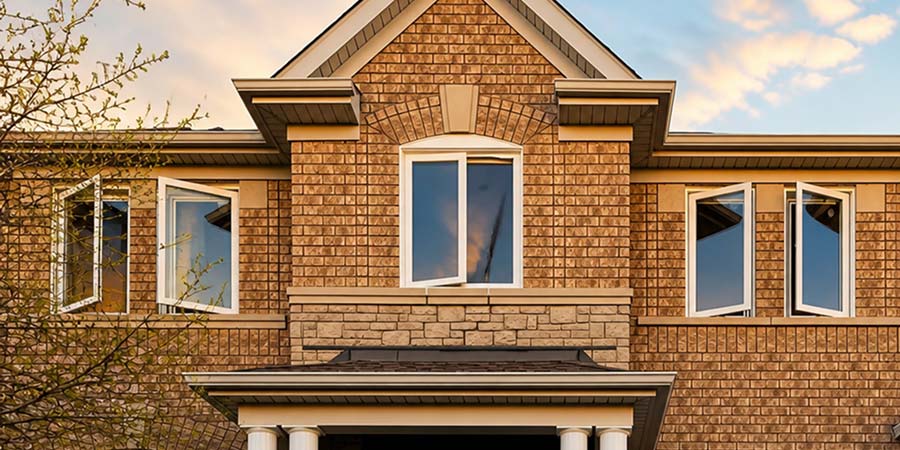
What Types of Window Sash Designs Are Most Common in Today's Homes?
Most residential sashes fall into four families defined by how they move. The comparison below groups them by motion, the property that determines both the operation and the hardware within the sash. For homeowners still deciding between window styles, a review of all available configurations is available at the Window Force guide to types of windows.
| Style | Sash motion | Best-suited situations |
| Single hung | Bottom sash moves vertically; top sash is fixed | Budget-conscious openings, consistent styling |
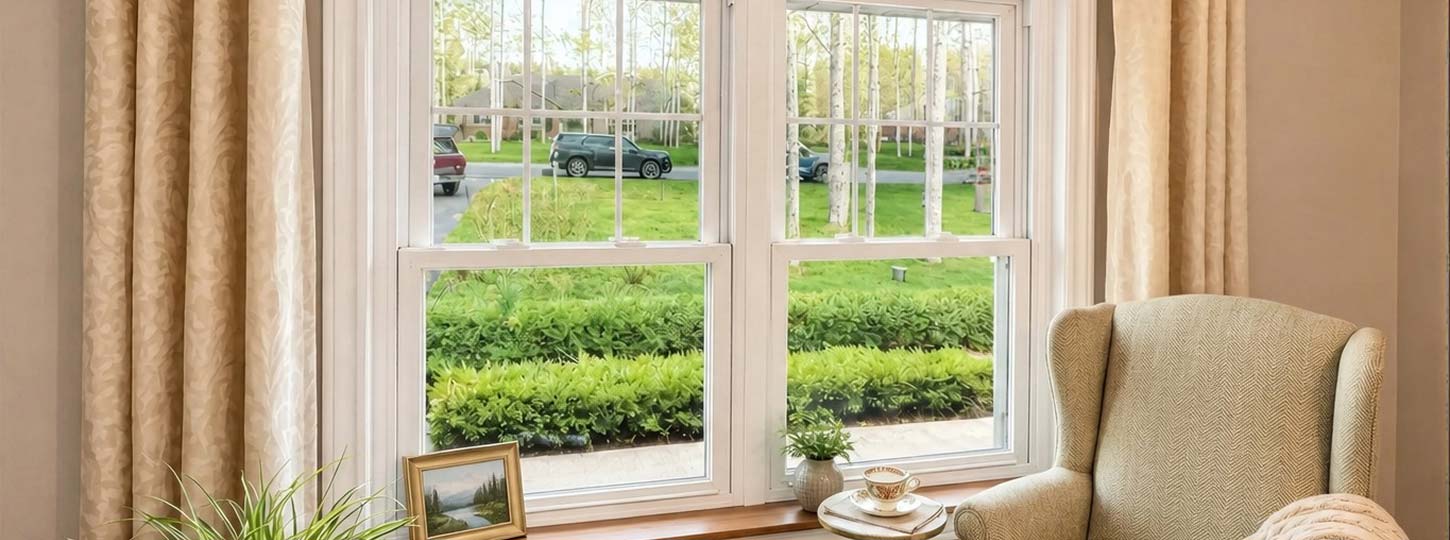
| Double hung | Both sashes move vertically | Ventilation control, easier interior cleaning |
| Slider | Sash moves horizontally on a track | Wide openings, spaces above counters or sinks |
| Casement | Sash swings outward on a hinge | Maximum ventilation and tight sealing |
Hung and Sliding Sashes
Hung and slider windows share the idea of a sash gliding along a track, differing only in direction. Hung sashes rely on balances to hold position against gravity, which is why a failed balance is the classic hung-window complaint. What most homeowners do not know is that the balance system on a double-hung window is calibrated at the factory for the specific weight of the sash it will carry, and that weight is determined by the glass package. Replace a double-pane sash with a heavier triple-pane unit and the original balance will not hold it at mid-travel — the window will slowly fall closed, or require constant upward force to stay open. Replace it with a lighter unit and the balance will push the sash up when you try to lower it. This is why the glazing specification must be declared when ordering a replacement sash, not just the dimensions: the balance calibration follows the weight, and the weight follows the glass. Any supplier quoting a hung sash replacement without asking about the current balance type and the new glass package is likely to create exactly this problem. Sliders apply the same principle to a horizontal track, trading the balance system for rollers and relying more heavily on track cleanliness to move smoothly. Both styles appear across the double-hung and slider categories we manufacture, and both reward routine attention to their tracks and seals.
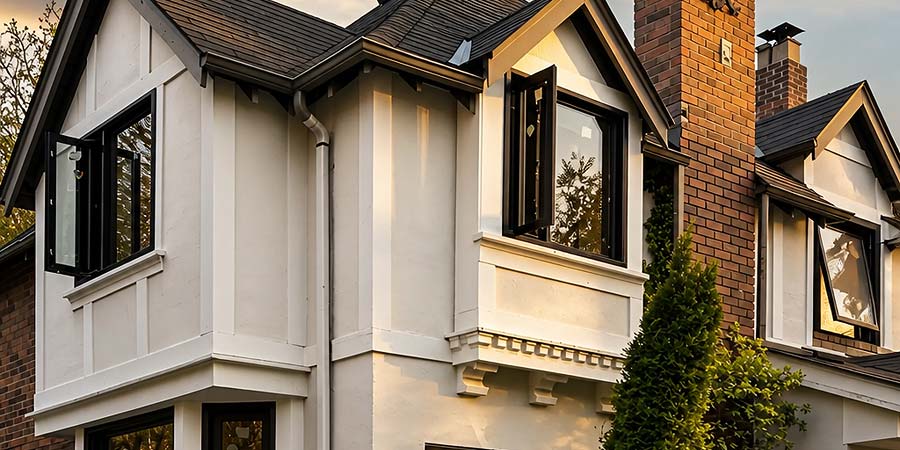
Casement Sash Systems
A casement sash abandons the sliding idea entirely and hinges outward like a door, driven by a crank. Because the sash presses into a continuous gasket as it closes, casements typically achieve the tightest air seal of the common styles, which matters in a climate that swings from summer heat to deep winter cold.
How Does a Casement Window Sash Work Differently From a Sliding or Hung Sash?
The defining difference is the direction of force. A casement sash is hinged on one vertical side and swung open by a crank mechanism, so it seals by compression against a perimeter gasket rather than by sliding past a track. That compression is what gives casements their reputation for tight sealing, and it is also why their hardware and trade-offs differ from those of sliders and hung windows.
Casement Sash Mechanics and Trade-Offs
The crank turns a gear that drives an arm, pushing the sash outward and pulling it tight on closing. This provides excellent ventilation and sealing, but it introduces a moving mechanism that eventually wears out and requires unobstructed space outside the opening. For homeowners weighing styles, the practical question is whether the sealing advantage of a casement outweighs the maintenance of its crank hardware in a given room.
When Is Window Sash Replacement a Better Choice Than Full Window Replacement?
The decision hinges on where the damage lies. If the failure is confined to the sash and the frame remains square, sound, and well anchored, replacing only the sash preserves the structural interface with the wall and avoids disturbing the surrounding finishes. When the frame itself has failed, no amount of sash work will restore performance.
- Assess the frame first. Check for rot, movement, or an out-of-square opening; a compromised frame indicates a full replacement is needed.
- Isolate the symptom. Fogged glass, a broken balance, or worn hardware in an otherwise sound unit favours sash replacement.
- Weigh efficiency. If the whole unit is old and leaking air across the frame as well as the sash, a full replacement often recovers more energy.
- Confirm compatibility. Verify that a new sash can be sourced to fit the existing frame before committing to the partial route.
When Full Replacement Wins
Full window replacement becomes the smarter choice when the frame is rotted, racked, or structurally unsound, when air and water are entering around the frame rather than the sash, or when the unit is old enough that a complete upgrade recovers meaningful energy. In those cases, replacing the sash alone treats a symptom while leaving the underlying problem in place. The same logic applies whether you are arranging window installation in Quebec or window replacement in Saskatchewan, since the decision follows the condition of the frame rather than the province.
Cost pressure is a real part of this decision. Statistics Canada reports that the Residential Renovation Price Index for common residential renovation projects, including windows and doors, increased by more than 55% over the measured period. With replacement costs remaining elevated, choosing the narrowest effective repair, sash rather than full unit where the frame allows it, can significantly reduce the final bill.
What Are the Most Common Signs That Your Sash Needs Repair or Replacement?
Sash problems announce themselves through operation, sealing, and appearance. Sorting the cosmetic from the urgent helps a homeowner decide whether to schedule a repair or act quickly to prevent water and structural damage.
Minor Warning Signs
Some symptoms are inconvenient rather than dangerous and can usually wait for a planned service visit.
- A sash that sticks slightly or needs extra effort to move
- A mild draft at the meeting rail on a windy day
- Minor rattling of the sash in its frame
- Faded or lightly worn weatherstripping
Serious Failure Signs
Other symptoms signal active failure and tend to worsen if ignored, sometimes causing water to seep into the wall.
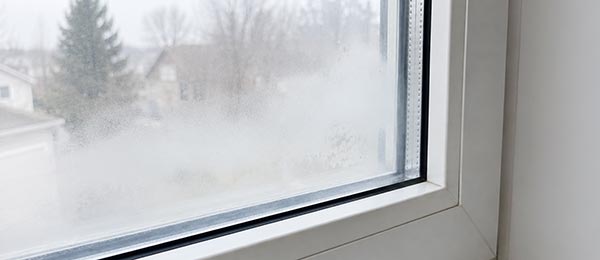
Condensation or fogging sealed between the panes, indicating a failed glazing unit
- Visible rot, softness, or separation at the sash corners
- Persistent water infiltration during rain
- A sash that will not stay open or locks that no longer engage
- A warped sash that no longer sits square in the frame
Fogging between panes is the symptom most often misread as harmless. It is, in fact, the clearest evidence that the sealed unit has failed and that the sash has lost the thermal performance it was built to provide, which is precisely the performance the national ENERGY STAR standard measures through a maximum U-factor of 1.22 watts per square metre kelvin or an Energy Rating of at least 34 for certification.
A fogged pane indicates a failure of the edge seal, and the edge seal is where spacer choice matters most. Window Force builds its insulated glass units on a dual-seal, metal-free warm-edge spacer system, which prevents the seal from experiencing the temperature swings that a conductive metal spacer transmits directly to the bonded edge. The practical effect is that the failure symptom described above, condensation trapped between the panes, is engineered against at the exact point where it usually begins.
What Should Homeowners Know About Sliding Window Sash Replacement?
Replacing a sliding sash differs from hung or casement work because the sash rides on a horizontal track and relies on precise fit tolerances to glide without air leakage. The rollers, the track, and the removable panel design all shape what constitutes a clean replacement. A homeowner comparing options with a window company in Halifax, Montreal, Edmonton or elsewhere in the country should expect the installer to inspect the track and roller condition, not just the sash itself.
Sliding Sash Replacement Steps
Confirm the frame and track are true, since a bowed track will defeat any new sash.
- Measure the opening precisely, because sliders are unforgiving of loose tolerances that let air pass.
- Match the new sash to the existing track-and-roller system to ensure compatible movement.
- Clean and, if needed, replace rollers and track weatherstripping during the swap.
- Test the glide and the seal along the full travel before finishing.
Common Compatibility Issues
The frequent snag is a mismatch between a new sash and an older track profile, which can leave gaps that let air leak precisely where a slider is most vulnerable. Roller height and the depth of the sash groove must align with the existing hardware, and where the original system is discontinued, matching a new sash to an old frame may require custom sizing rather than an off-the-shelf panel.
Can You Replace Only the Sash Without Changing the Frame?
Yes, in many cases you can, provided the frame is sound and a compatible sash can be sourced. This retrofit approach preserves the structural opening and the interior and exterior finishes, but it succeeds only when the new sash matches the frame's dimensions, hardware channels, and sealing geometry. Mixing an old frame with a mismatched new sash risks air leaks, operational problems, and warranty gaps.
Compatibility Checklist
- The frame is square, sound, and free of rot or movement
- The replacement sash matches the frame's dimensions and depth
- The hardware channels and balance or roller system align
- The sealing geometry lets the new sash compress or glide against existing weatherstripping
- The manufacturer confirms the sash is intended for that frame system
Questions to Ask an Installer
Before ordering, a homeowner should ask the installer to confirm the frame condition and sash compatibility on-site rather than by phone. A short verification visit helps prevent the most expensive mistake in this process: discovering after the sash arrives that the frame cannot properly receive it.
On why that verification matters, engineer Sergey Essipov, with 20 years of experience in window manufacturing, explains:
A sash and a frame are a matched pair, and a frame that has shifted even slightly over years of thermal movement will not accept a new sash the way a fresh one would. We always want the frame checked for square and for seal contact before a replacement sash is built, because a sash made to spec for a frame that has moved will leak no matter how well it is manufactured.
How Do Material, Glass Package, and Hardware Affect Sash Durability and Efficiency?
A sash performs only as well as the sum of its materials, glazing, and hardware. Each choice shapes durability, condensation control, and long-term efficiency, and the interaction among them matters as much as any single specification.
Material Choices
For most Canadian homes, the material decision balances upkeep against appearance. Vinyl sashes resist the freeze-thaw moisture cycle without rot and ask little of the owner, which is why they dominate the replacement market. Wood offers warmth and heritage character but requires periodic refinishing, while aluminum-clad units aim to capture the look of wood on the outside with a lower-maintenance skin.
Glass and Hardware Upgrades
The glazing package is where most of the thermal performance lives. A triple-pane, low-emissivity, argon-filled unit resists heat transfer far better than a basic double pane, and it lowers the interior surface temperature that drives condensation. Hardware then protects that investment, because a lock that draws the sash tight and a balance that holds it true are what keep the seal intact long after installation. These same durability factors are what a window warranty is built to reflect, since a manufacturer stands behind the sealed unit and the hardware only as far as the materials and construction allow.
How Much Does Sash Replacement Usually Cost, and What Factors Change the Price?
There is no single, honest figure for sash replacement because the price is based on the specifics of your window rather than a flat rate. Rather than quote a number that will not hold, it is more useful to understand the levers that move the total, then request a quote based on your actual opening. A homeowner comparing a window company in Saskatoon with one in Vancouver will often see different totals for the same work, driven as much by local labour and access as by the sash itself.
Why Quotes Vary
Two quotes for the same window can differ because installers weigh access, frame condition, and glass specification differently, and because regional labour rates vary across the country. The reliable path is a written, itemized quote tied to an on-site measurement, which turns a guess into a figure you can compare.
How Can You Maintain a Window Sash to Extend Its Lifespan?
Most sash failures are gradual, which means routine maintenance genuinely extends service life. A short seasonal habit protects the seal, the hardware, and the finish before small problems compound into replacement.
Seasonal Maintenance Checklist
- Clean tracks and channels so sliders and hung sashes move without grinding grit into the weatherstrip.
- Inspect weatherstripping for compression set and replace it once it stops sealing.
- Lubricate locks, rollers, and crank hardware with a suitable product, avoiding oils that attract dust.
- Check the caulking and glazing lines for gaps that could allow water to enter.
- Address condensation and moisture early before they reach the sash corners.
When Maintenance is Not Enough
Maintenance preserves a sound sash, but it cannot restore a failed glazing seal or repair rotted corners. Once a pane fogs or the sash structure loses integrity, the useful response shifts from upkeep to replacement, and continuing to maintain a failed unit only postpones the inevitable while the energy penalty accrues.
When a sash does reach the point of replacement, the value of the fix depends on who stands behind it. Window Force manufactures the sash, the sealed unit, and the frame as a single system, certifies every unit to CSA standards and ENERGY STAR across all Canadian climate zones, and backs it with a 25-year transferable warranty serviced through our authorized dealer network. For a homeowner, that means a replacement sash arrives matched to its frame, rated for the climate it will actually face, and covered by one warranty rather than a set of separate parts sourced from different suppliers.
Conclusion: What Are the Key Takeaways About Window Sash Parts, Replacement Options, and Next Steps?
The window sash is the working heart of a window, the framed panel that holds the glass, carries the seal and hardware, and decides how the unit performs long after the frame is set. Knowing the parts, recognizing the difference between a cosmetic symptom and a failing seal, and matching the repair to where the damage actually lives are what separates a targeted, affordable fix from an unnecessary full replacement.
The practical next step is to describe your symptom precisely, confirm the frame condition on-site, and request an itemized quote tied to a specific measurement rather than a generic price. When you are ready to weigh sash repair against full replacement for your own windows, reach out through the contact form on our website, and our team will help you decide based on your specific opening.
Not sure whether your window needs a new sash or a full replacement? Send us the details via the contact form on our website, and our team will assess whether the sash alone can be replaced, recommend the appropriate glass and hardware configuration for your climate zone, and provide a production timeline for a custom-built unit that fits your existing opening.
Frequently Asked Questions
Is the Sash the Same as the Glass?
No. The sash is the framed panel that holds the glass. The glass, usually a sealed insulated glass unit, sits inside the sash, so the sash is the structure, and the glazing is the pane within it.
Can a Fogged Window Be Fixed Without Replacing the Whole Window?
Usually yes. Fogging means the sealed glass unit has failed, and in many cases, the sealed unit or the sash can be replaced while the sound frame stays in place.
How Long Does a Window Sash Last?
It depends on material, glazing quality, and maintenance. A well-built vinyl sash with a quality sealed unit and good upkeep commonly lasts for decades, while a failed seal or neglected hardware shortens that considerably.
Which Sash Style Seals the Tightest?
Casement sashes generally seal most tightly because they compress against a full-perimeter gasket when the crank draws them closed, rather than sliding past weatherstripping.
Should I Repair or Replace My Sash?
Repair when the frame is sound and the damage is limited to glass, hardware, or seals. Replace the full window when the frame is rotted, racked, or leaking air on its own.
Does Replacing Only the Sash Affect the Warranty?
It can. Fitting a new sash into an older frame from a different manufacturer may leave parts of the assembly outside coverage, so confirm compatibility and warranty terms before ordering.
People Also Ask