

Window replacement is one of the largest purchases a homeowner makes, yet it is also one of the most confusing to price. Gather three quotes for the same house, and you may find they differ by 40% or more, not because someone is wrong, but because each contractor is offering a genuinely different combination of product, performance, and service. Understanding what drives those differences is the only reliable way to evaluate what you are actually being offered.
As a Canadian vinyl window manufacturer operating from an 80,000 sq ft production facility in Ontario since 2007, Window Force has direct visibility into every cost variable that drives quote differences — from raw material pricing and frame engineering to glazing specifications and installation method. This guide explains what you’re actually comparing when you put three quotes side by side.
Key Takeaways
- Two quotes for the same home can differ by thousands of dollars because they are rarely quoting the same product, installation method, or warranty scope; comparing bottom-line numbers alone is not meaningful.
- Frame material is the single largest driver of unit cost, with vinyl, fibreglass, and wood-clad windows sitting at very different price points even before labour is factored in.
- The installation method, retrofit versus full-frame brick-to-brick replacement, can add $300—$800 per window to the total, and the right choice depends on the condition of the existing frame, not just budget.
- Glass and glazing specifications (U-factor, SHGC, Low-E coating, argon gas fill, double versus triple pane) account for a substantial portion of the quoted price and directly determine long-term energy performance.
- Warranties are not equal: a manufacturer's product warranty and an installer's labour warranty are separate documents that cover distinct risks, and their terms directly reflect price.
What the Price Tag Actually Covers
Most homeowners assume a window quote reflects the cost of a window. In practice, it reflects the cost of a complete system: the frame, the glass unit, the installation method, the site preparation, and the warranty obligations the company is prepared to honour after the job is finished. Remove or downgrade any one of these elements, and the number on the page drops, but so does what you receive.
This is the root cause of quote variation. One contractor prices a vinyl retrofit with standard double-pane glass and a one-year labour warranty. Another prices a custom vinyl window with triple-pane Low-E glazing, a full-frame installation, and a transferable lifetime warranty. Both are technically quoting for window replacement, but the scope of work and performance specifications differ significantly.
A useful exercise before reviewing any quote is to separate it into its components: the unit cost per window, the labour cost per opening, permit and disposal fees, and the warranty structure. If a quote does not break these out, ask for an itemized version. Vague lump-sum pricing is not a neutral choice on the part of the contractor; it makes comparison impossible by design.
Windows Near Me
How Frame Material Drives the Unit Cost
The frame material is the most influential single variable in the cost of a window unit, and it is also the variable most frequently obscured in quotes that present only a total price.
Vinyl Windows
Vinyl (uPVC) is the dominant frame material in Canada for residential replacement projects, and for good reason. Modern vinyl profiles offer strong thermal performance, low maintenance requirements, and consistent manufacturing quality. Fusion-welded corners, the standard construction method used by leading industry manufacturers, eliminate the gaps and infiltration risks associated with mechanically fastened corners, contributing to long-term air- and water-tightness. Unit costs for vinyl windows typically range from $350 to $900, depending on the series, profile depth, and glazing package selected, making them the most accessible entry point without compromising on energy performance.
Window Force manufactures vinyl windows across two product lines: the Classic Series, with a proven 3-1/4” frame depth suited to retrofit applications, and the Ultraslim Series, featuring a deeper 4-9/16” frame with a narrower 2-7/8” visible profile for new construction and modern aesthetics. Both lines use lead-free uPVC with multi-chamber profiles, fusion-welded corners, and our dual-seal warm-edge spacer system — specifications that place them firmly in the mid-to-premium tier of the comparison above.
Fibreglass and Wood-Clad Windows
Fibreglass frames carry a significant premium over vinyl, typically $700 to $1,800 or more per unit, in exchange for superior dimensional stability and greater tolerance to temperature cycling. In climates with severe winters and hot summers, fibreglass frames resist the minor expansion and contraction that, over time, can compromise weather seals in lower-grade materials.
Wood-clad windows occupy the top of the residential price range, often exceeding $1,500 per unit for standard sizes. The cladding, typically aluminum or fibreglass on the exterior, protects the interior wood from moisture while preserving the warm aesthetic that makes them popular in heritage renovations. They are a legitimate choice for specific architectural applications, but their higher cost rarely translates into better thermal performance than a well-specified vinyl or fibreglass unit.
The table below compares the typical cost, thermal performance, and maintenance requirements across the most common residential frame materials used in Canadian homes.
| Frame Material | Typical Unit Cost (supply only) | Thermal Performance | Maintenance Demand | Best Application |
| Vinyl (uPVC) | $350—$900 | Excellent | Very low | Most residential replacements, new construction |
| Fiberglass | $700—$1,800 | Excellent | Very low | Larger openings; climates with extreme temperature swings |
| Wood-clad | $1,000—$2,500+ | Very good | Low (exterior); moderate (interior) | Heritage properties; premium renovations |
| Aluminum (thermally broken) | $450—$1,400 | Good — Very good | Very low | Commercial; contemporary residential |
Why the Installation Method Can Change the Quote by Thousands
The frame material explains the differences in unit cost. The installation method explains why two contractors quoting identical windows can still produce quotes that differ by $500 to $800 per opening or more.
There are two fundamentally different approaches to window replacement, and they are not interchangeable.
Retrofit Installation
A retrofit, sometimes called a pocket installation, inserts a new window unit into the existing frame. The original frame, sill, and exterior casing remain in place. The process is faster and less disruptive, which reduces labour costs substantially. For a well-maintained home with structurally sound frames and no evidence of water ingress or rot, a retrofit is a legitimate and cost-effective option.
The constraint is that a retrofit cannot address what it does not remove. If the existing frame has absorbed moisture, developed rot behind the casing, or lost its original geometry due to building settlement, inserting a new unit into that frame simply seals those problems inside the wall assembly.
Full-Frame (Brick-to-Brick) Replacement
A full-frame replacement removes everything back to the rough opening: the frame, the sill, the interior and exterior casing, and, where applicable, the brickmould. This fully exposes the wall assembly, allowing the installer to inspect for hidden damage, repair any deterioration, and install a proper air- and weather-barrier before the new window is set.
The additional labour, which typically adds 2 to 4 hours per opening, depending on wall construction, is what drives the cost difference. For homes with brick veneer construction, full-frame replacement also requires careful management of the masonry opening.
Engineer Sergey Essipov, with over 20 years of experience in window manufacturing at Window Force, explains:
When we see quotes that are significantly lower than the market average, the installation method is almost always where the savings are being made. At Window Force, we require our authorized dealers to inspect the existing frame condition before committing to a method. A retrofit on a damaged frame is not a cost-saving measure; it is a deferred repair that will surface as a performance complaint within a few years. Inspecting the rough opening is essential to ensure the new window is installed correctly and any hidden damage is identified before installation.
A reputable installer will not commit to a retrofit without first examining the condition of the existing frames. Any quote produced without a thorough on-site assessment should be treated with caution.
The Glass Package: Where Performance and Cost Diverge Most
After frame material and installation method, the glazing specification is the third major variable driving differences in quotes and the one most likely to be obscured by generic language in the quote document itself. "Double-pane windows" covers an enormous range of actual performance, depending on the coatings, gas fills, spacer system, and pane count selected.
Understanding U-Factor and SHGC
Two numbers determine most of the thermal story for any window unit: the U-factor and the Solar Heat Gain Coefficient (SHGC).
The U-factor measures the rate of non-solar heat transfer through the window assembly; the lower the number, the better the window resists heat loss. In colder climates, this is the dominant performance metric for windows on north-facing and east-facing elevations. ENERGY STAR certification in Canada requires a maximum U-factor of 1.40 W/(m²·K) (or a minimum Energy Rating of 34). However, for maximum thermal performance in cold climates, high-efficiency models target a U-factor of 1.22 W/(m²·K) or lower to qualify for the premium ENERGY STAR "Most Efficient" designation.
The SHGC measures the fraction of solar radiation that passes through the window and enters the building. A lower SHGC reduces summertime heat gain, while a higher SHGC can contribute to passive solar heating in winter, so the appropriate value depends on the home's orientation and heating/cooling balance.
A quote for a "standard double-pane" unit that does not specify these values is for a product with unknown energy performance. A higher-performing glazing package with Low-E coating, argon gas fill, and warm-edge spacers will increase the unit cost. However, part of that cost can be recovered over time through lower heating and cooling expenses.
According to Natural Resources Canada's Canada Greener Homes Initiative progress update (November 2025), windows and doors were the single most common retrofit category, with over 39,630 grants issued and $173.4 million disbursed, reflecting both the high prevalence of window replacements and the measurable energy savings they deliver.
Window Force offers more than 15 glass configurations across our product line, from standard double-pane with Low-E and argon to triple-pane systems with multiple coating options. Every configuration includes our dual-seal warm-edge spacer system as standard. Our team can recommend the optimal glazing specification for each window orientation in your home — because the right glass package for a north-facing bedroom is different from what you need on a south-facing living room.
Double-Pane vs. Triple-Pane
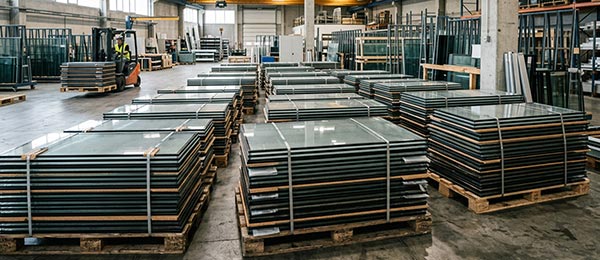
The choice between double- and triple-pane glazing is the most straightforward price differentiator within the glass package. A triple-pane insulated glass unit adds an additional glass layer, a second gas-filled cavity, and additional Low-E coatings, reducing the U-factor substantially compared to a standard double-pane unit. The performance gain is most significant for north-facing windows, basement window wells, and openings exposed to sustained cold or strong wind.
Triple-pane glazing typically adds $80 to $200 per unit to the supply cost, depending on the window size and the specific coating configuration. For homeowners planning a whole-house replacement, the added cost across 15 to 20 windows can significantly increase the total project price. Whether it is justified depends on the home's energy performance targets, the type of heating fuel, and the projected lifespan of the installation. Reputable manufacturers typically offer a broad range of glazing configurations, from standard double-pane units to triple-pane systems with multiple Low-E coating options. Full performance specifications should be available through product documentation or directly from the manufacturer or supplier.
The table below shows how glazing specifications affect the U-factor and relative unit cost for a standard casement window.
| Glazing Configuration | Typical U-Factor W/(m²·K) | Relative Unit Cost Premium | Recommended Use Case |
| Double-pane, no coating | 2.5 — 3.0 | Baseline | Not recommended for new installations in Canada |
| Double-pane + Low-E + argon | 1.2 — 1.4 | +10 — 20% | Standard residential replacement; meets national ENERGY STAR criteria |
| Triple-pane + Low-E + argon | 0.8 — 1.2 | +25 — 40% | Cold-climate exposure; north-facing openings; passive house |
| Triple-pane + Low-E + krypton | 0.7 — 1.0 | +35 — 55% | High-performance new construction; maximum thermal performance |
A Step-by-Step Guide to Comparing Window Quotes Accurately
Comparing quotes is not difficult once you know the structure of a window project. The goal is to isolate each cost component so that differences between quotes reflect actual product and service differences rather than the contractor's accounting choices.
Warranties and Labour Standards: The Accountability Gap in Quotes
Warranty terms define the long-term accountability of a window project, and they are also where low-cost quotes most often cut corners. Two separate warranties govern any window installation: the manufacturer's product warranty and the installer's labour warranty.
Manufacturer's Product Warranty
The product warranty is issued by the window manufacturer and covers defects in materials and workmanship arising from the manufacturing process. It does not cover installation errors, building settlement, or damage caused by improper use. Under Canadian standards, a lifetime product warranty refers to the expected service life of the product under normal use, typically defined as the period during which the original purchaser owns the home, or 25 years, whichever comes first. Some manufacturers structure graduated coverage beyond this period, for example, 80% manufacturer responsibility from years 25 — 30, transitioning to predominantly customer responsibility thereafter.
The transferability of this warranty on resale adds measurable value to the home and should be confirmed before purchase.
Installer's Labour Warranty
The labour warranty is the installing company's guarantee of their own workmanship. It covers failures caused by installation issues, including air infiltration around the frame, water penetration at the sill, and improper-fitting hardware. A one-year labour warranty is commonly considered the minimum acceptable industry standard. Companies that offer 5- or 10-year labour warranties are communicating meaningful confidence in their installation quality.
Engineer Sergey Essipov, with over 20 years of experience in window manufacturing at Window Force, notes:
The warranty document is the most honest part of a quote. At Window Force, we back every unit with a 25-year transferable warranty — 100% coverage for the first 25 years, structured coverage beyond that — because we’re confident in what leaves our facility. A manufacturer who stands behind a 25-year product warranty and an installer who guarantees their labour for 5 years have both committed something real and expensive to back up. When you see a very low price and a very short warranty, those two things are almost always connected.
Longer and more comprehensive warranties increase the project cost because manufacturers and installers assume greater long-term responsibility. That added cost reflects the financial risk of supporting the product over time.
The Full Cost Picture: A Quote Comparison Framework
The table below provides a structured framework for comparing window quotes. Apply it to every quote you receive before making a purchasing decision.
| Comparison Element | Questions to Ask | Red Flag Indicators |
| Frame material | Which series and profile? What is the frame depth? | "Standard vinyl" with no further specification |
| Glazing package | U-factor, SHGC, Low-E type, gas fill, pane count | No performance values provided |
| Installation method | Retrofit or full-frame? Was the existing frame inspected? | Quote provided without site inspection |
| Labour cost | Cost per opening, itemized separately from supply | Single lump-sum figure only |
| Permits and disposal | Are permits included? Is old window disposal item? | Not mentioned in the quote |
| Product warranty | Duration, coverage, transferability | Under 10 years, or non-transferable |
| Labour warranty | Duration, what it covers, claims process | Under 2 years, verbal only |
| Installer credentials | Licensed, insured, WSIB-covered, manufacturer-authorized? | No written confirmation available |
Conclusion
Window quotes vary because window projects differ in the selected product, the installation method, the specified glass performance, and the level of accountability the company is prepared to commit to in writing. A lower quote should always be evaluated against the scope of work, glazing specifications, installation method, and included warranty coverage. Understanding what has been removed is the work of the comparison process.
For homeowners in regions where brick veneer construction is common and cold winters place significant demands on window performance, this distinction is not minor. The difference between a retrofit on a compromised frame and a properly executed full-frame replacement with a high-performance glazing package is not cosmetic. It determines whether the investment performs as expected over the next 20 years. Request itemized quotes, confirm specifications in writing, and compare warranties with the same rigour you apply to price.
Window Force provides itemized, specification-level quotes for every project. As a manufacturer, we control the product from raw material through finished unit, which means our pricing reflects actual production costs rather than distributor markups. Contact our team and we’ll walk you through every line item so you know exactly what you’re comparing.
Frequently Asked Questions
Why is one window quote much lower than the others for the same house?
A significantly lower quote almost always reflects a difference in scope rather than better purchasing power on the contractor's part. The most common sources of the gap are a less comprehensive installation method (retrofit versus full-frame), a lower-specification glass package, a shorter labour warranty, or the omission of permit and disposal costs from the quoted total. Ask the contractor to itemize the quote and specify the glazing performance values; those two steps will reveal where the difference originates.
Does the installation method really affect the price that much?
Yes. Full-frame brick-to-brick replacement requires additional labour, typically 2 to 4 extra hours per opening to remove the existing frame, inspect and prepare the rough opening, and install a proper air and weather barrier before the new window is set. The labour cost difference between a retrofit and a full-frame replacement commonly ranges from $300 to $800 per opening, which on a whole-house project of fifteen openings represents a substantial total difference.
What does ENERGY STAR certification mean for a window quote in Canada?
ENERGY STAR certification in Canada is administered by Natural Resources Canada (NRCan) and confirms that the window meets strict national thermal performance thresholds. Under the current unified standard, a certified window must achieve a maximum U-factor of 1.40 W/(m²·K) or an Energy Rating (ER) of 34 or higher. A quote that does not specify whether the product is ENERGY STAR certified means you may be purchasing a product whose compliance with Canadian energy standards is unconfirmed, potentially leading to higher heating bills.
What is the difference between a manufacturer's warranty and a labour warranty?
A manufacturer's warranty covers defects in the window unit arising from the production process. A labour warranty covers failures that originate from the installation itself, air or water infiltration around the frame, setting errors, or hardware problems caused by incorrect fitting. The two warranties cover separate risks and are issued by separate parties. Both should appear in writing before you sign a contract.
Should every window in the house receive the same glazing specification?
Not necessarily. The optimal glazing specification for a given window depends on its orientation, the heating and cooling loads it is expected to handle, and the home's specific performance targets.
Is a higher-priced quote always a better quote?
Not automatically. Price is a meaningful signal of quality and commitment, but a higher price should be verifiable against specific product specifications, a documented installation method, and explicit warranty terms. If a contractor cannot explain why their quote is priced as it is, the price alone is not sufficient justification. The goal is to understand exactly what each dollar in a quote purchases, not to select the most or least expensive option by default.
Learn more about window prices in your city: