

Choosing between double and triple-pane windows is rarely about following a trend; it comes down to how much thermal performance and sound control your specific home actually needs, and whether the added cost pays for itself in your situation.
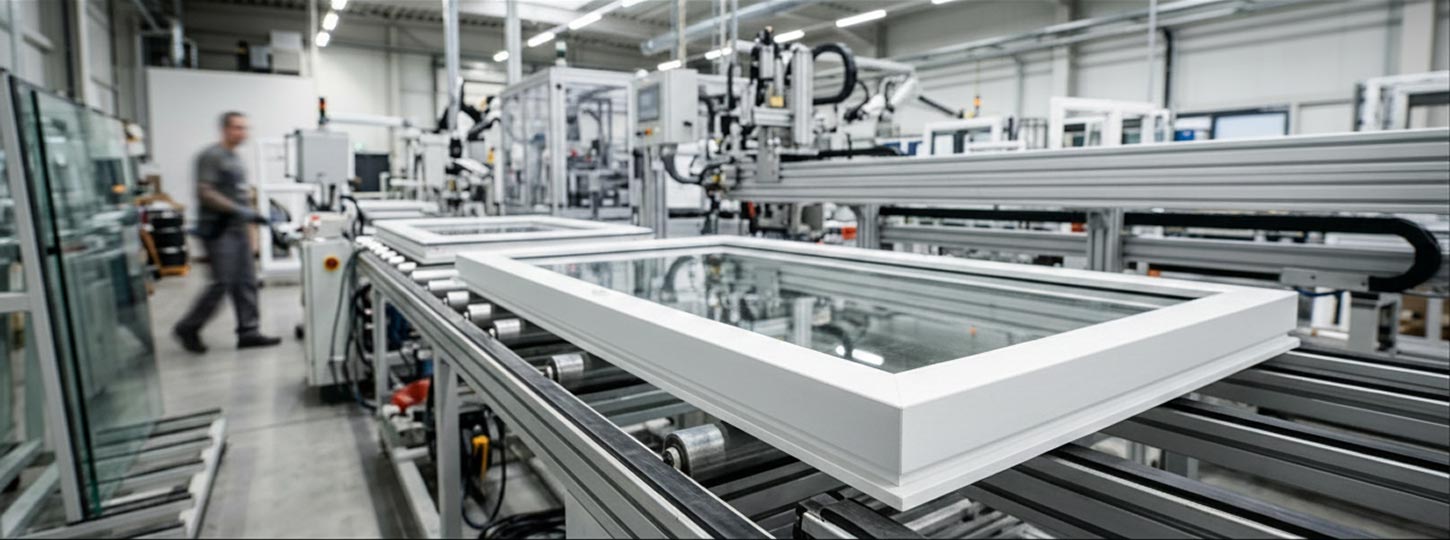
Most glazing guides treat triple-pane as a checkbox: more panes, better performance, done. It isn't that simple on the production floor. Since 2007, Window Force has built both configurations to order at an 80,000 sq ft Ontario production facility, and the real engineering work happens elsewhere: sizing hardware for the added weight, adjusting spacer specifications for the second cavity, and confirming gas-fill retention over a longer perimeter. That's the detail this guide is about to walk through, not the pane count itself.
Key Takeaways
- Triple-pane windows add a third glass layer and a second sealed insulating cavity, reducing heat transfer and improving overall thermal performance compared with standard double-pane units.
- The upgrade typically increases window costs by approximately 15 — 25%, although the long-term value can improve through lower heating demand, greater comfort, and enhanced noise reduction.
- Triple-pane glass helps keep interior glass surfaces warmer during winter, reducing cold spots near windows and lowering the likelihood of condensation forming on the inside pane.
- Because triple pane units are heavier, frames, hinges, and operating hardware must be engineered to support the additional weight, especially on larger operable windows.
- Large picture windows, bay and bow windows, casement windows, and awning windows generally benefit the most from the added insulation provided by triple glazing.
- Triple-pane configurations with Low-E coatings and an argon gas fill more consistently achieve the low U-factor levels associated with Canada's highest energy-efficiency window standards.
- Energy savings vary by climate, window orientation, home design, and local utility costs, meaning the financial payback period differs from one property to another.
- The greatest return on investment is typically seen in colder Canadian climates, homes with large glass areas, and properties where owners plan to remain for many years.
- Choosing between double and triple-pane windows ultimately depends on balancing energy efficiency, comfort, noise reduction, budget, and long-term ownership goals.
What Changes When You Add a Third Pane of Glass
A double-pane window has one sealed cavity between two sheets of glass. A triple-pane window adds a third pane, creating two sealed cavities instead of one. Each cavity is filled with an inert gas, typically argon, that slows heat transfer far more effectively than ordinary air.
The performance improvement comes from more than the additional pane itself. " The second cavity changes how heat moves through the entire unit. Each additional air space acts as a barrier, so heat has to cross more resistance points before it reaches the warmer or cooler side of the glass. This additional insulating cavity is the primary reason triple-pane windows perform differently from double-pane units in both winter and summer conditions.
How the Layers Work Together
The performance of a triple pane unit depends on three components working in combination, not on the third pane alone:
- Low-E coatings are applied to specific glass surfaces, which reflect radiant heat back into the room in winter and block solar heat in summer
- Argon or krypton gas fills between the panes, which conducts heat more slowly than plain air
- Warm-edge spacers, which reduce heat loss at the perimeter of the glass, where most condensation and frame stress typically occur
Window Force builds its glass configurations around this combination rather than treating the extra pane as a standalone upgrade, since a triple-pane unit with the wrong coating or no gas fill underperforms a well-specified double-pane unit.
Windows Near Me
The Real Benefits of Triple Pane Windows
The advantages of triple-pane glass go beyond a marginal efficiency bump. For the right home, the difference is measurable in both comfort and dollars.
Lower heat transfer
The second insulating cavity reduces the U-factor, which is the rate at which a window loses heat. A lower U-factor means less heat escapes during cold months, and less heat enters during warm ones, which directly affects how hard your furnace or air conditioner has to work.
Stronger noise reduction
Two air gaps and an extra pane of glass dampen sound more effectively than a single cavity. This matters most for homes near busy roads, transit lines, or flight paths, including many GTA properties close to major arterial routes, where a triple pane unit can noticeably reduce interior noise levels compared to double glazing.
Better condensation resistance
Because the interior pane stays closer to room temperature, triple-pane glass is less prone to the surface condensation that forms when warm, humid indoor air meets a cold glass surface. This becomes particularly relevant in homes with higher indoor humidity during the winter heating season.
More consistent indoor comfort
With less heat transfer at the glass, rooms experience fewer cold spots near windows and fewer temperature swings between day and night, which is one of the more noticeable day-to-day differences homeowners report after upgrading.
The Trade-offs You Should Plan For
While the performance benefits of triple-pane windows are compelling, they are not automatically the right choice for every project. Homeowners should evaluate the expected energy savings, local climate conditions, noise exposure, and the length of time they plan to remain in the property before making a decision. In many cases, the additional investment pays off through improved comfort and lower heating costs, but the financial return can vary depending on the home's location and energy prices. Triple pane units also introduce practical considerations related to weight, hardware requirements, and long-term maintenance. Understanding these trade-offs in advance helps ensure that the selected glazing package aligns with both the project's budget and performance goals.
| Factor | Double Pane | Triple Pane |
| Typical U-factor range | 1.5 — 1.6 W/m²·K | 1.2 — 1.3 W/m²·K |
| Relative weight | Lighter | 20 — 30% heavier |
| Noise dampening | Good | Stronger |
| Upfront cost | Lower | 15 — 25% higher |
| Best suited for | Moderate climates, budget-driven projects | Cold climates, noise-sensitive sites, long-term ownership |
According to Natural Resources Canada, windows account for a meaningful portion of residential heat loss in Canadian homes, particularly during winter heating seasons. Improving window thermal performance can therefore contribute to overall building energy efficiency, although the exact savings depend on climate, window area, and occupant behaviour.
Higher upfront cost
The additional pane, gas fill, and spacer increase manufacturing costs, which are passed on to the buyer. The size of that premium depends on the window style, dimensions, and frame series selected.
Added weight
A triple-pane sash can weigh meaningfully more than its double-pane equivalent. This is not a problem for most modern vinyl frames, but it does mean hardware and hinge components need to be rated for the extra load, particularly on larger casement or awning openings.
Sergey Essipov, with over 20 years of experience in window manufacturing, puts it plainly:
The extra weight of a triple-pane sash isn't the risk; an undersized hinge is. At our facility, we don't run the same hardware spec across both glazing options; a casement going out with triple glazing gets hinges and a multi-point lock rated for the heavier sash, sized at the order stage rather than retrofitted after a complaint. That's a small line item on a spec sheet, but it's the difference between a window that operates smoothly for twenty years and one that starts sagging at the latch within five.
Seal failure risk over time
Every sealed glass unit, double- or triple-pane, can eventually develop a seal failure that lets moisture into the cavity. Triple-pane units contain an additional sealed cavity compared with double-pane units, increasing overall glazing complexity. However, modern warm-edge spacer systems are designed to maintain long-term seal performance.
A triple-pane unit has roughly 50% more linear spacer length than a double-pane equivalent, since there's a second perimeter to seal rather than just one, which means any weakness in the spacer material gets a second chance to show up. Window Force uses a dual-seal, metal-free warm-edge spacer system across every IGU we build, double- or triple-pane alike, specifically because that added perimeter length is where lower-grade aluminum spacers tend to fail first under repeated freeze-thaw cycling.
Which Window Styles Benefit Most from Triple Glazing
Not every window type benefits equally from the addition of a third pane. While triple glazing improves the thermal performance of virtually any window, the size, orientation, and operating style of the unit determine how noticeable the upgrade will be in everyday use.
Large Fixed and Picture Windows
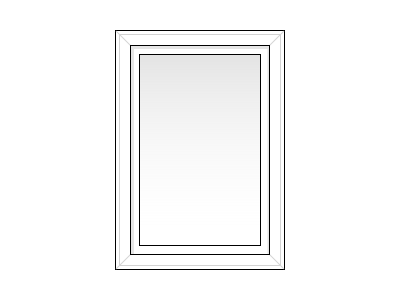
Large fixed windows, including picture, bay, and bow windows, typically benefit most from triple glazing. These units contain a high percentage of glass relative to frame area, meaning a larger portion of the opening is vulnerable to heat transfer.
Because heat loss occurs primarily through the glass rather than the frame, adding a second insulating cavity can significantly reduce winter heat loss across these expansive glazed surfaces. Homeowners often notice warmer interior glass temperatures, fewer cold spots near seating areas, and improved comfort during extreme weather conditions.
Casement Windows
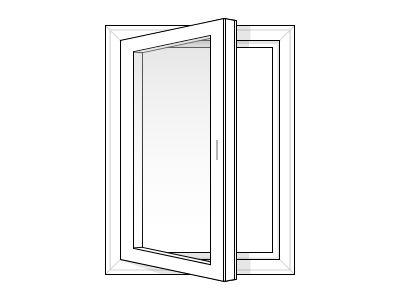
Casement windows are among the best candidates for triple glazing because they already offer excellent air-tightness. When closed, the sash compresses tightly against the frame using compression-style weatherstripping, creating one of the strongest seals available in residential window design.
Pairing this superior air seal with triple-pane glass enhances both energy efficiency and comfort. As a result, triple-pane casement windows are commonly specified in colder Canadian regions where maximizing thermal performance is a priority.
A compression seal is only as good as the frame holding it square, year after year of thermal cycling. Window Force fusion-welds every casement corner rather than mechanically fastening it, which keeps the sash geometry stable under the added load of a triple-pane unit and prevents the corner drift that gradually loosens a compression seal on lower-grade frames. Paired with a lead-free, UV-stabilized uPVC profile, that combination is what lets a triple-pane case actually maintain its rated airtightness beyond the first few winters, not just on day one.
Awning Windows
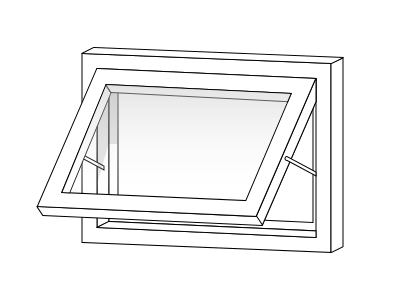
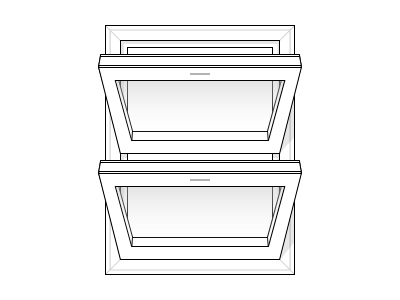
Awning windows operate similarly to casement units and benefit from the same compression-seal design. The combination of tight weatherstripping and triple glazing helps minimize drafts and heat loss, making them particularly effective in bathrooms, kitchens, and basement spaces where temperature consistency is important.
Sliding and Hung Windows
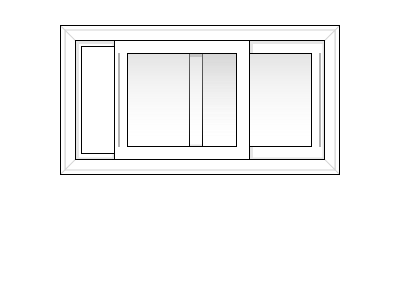
Horizontal sliders, single-hung, and double-hung windows can also benefit from triple glazing, although the improvement may be somewhat less noticeable compared with casement or awning styles. These designs rely on moving sash components rather than compression seals, which can result in slightly higher air leakage rates even when equipped with high-quality weatherstripping.
Nevertheless, homeowners can still achieve meaningful improvements in thermal performance, condensation resistance, and noise reduction by adding a third pane.
Basement and Small Ventilation Windows
Smaller openings, such as basement awning windows, hopper windows, or compact utility-room vents, experience a smaller absolute benefit because there is less glass area through which heat can transfer. While the percentage improvement in U-factor remains similar to larger windows, the practical effect on room comfort is often less dramatic.
That does not mean triple glazing is unnecessary in these locations. In particularly cold climates, even smaller windows can contribute to overall energy efficiency and help maintain more consistent interior temperatures.
Windows Facing Harsh Exposures
Window orientation also influences how much value triple glazing delivers. North-facing windows typically receive little direct solar gain and are exposed to colder exterior temperatures throughout the winter. These openings often benefit more from triple glazing than south-facing windows, which naturally gain some passive solar heat during daylight hours.
Similarly, windows exposed to strong prevailing winds, open fields, waterfront conditions, or elevated locations can experience greater heat loss and therefore see a larger performance advantage from the additional insulating cavity.
In general, the larger the glass area and the more demanding the exposure, the greater the return from upgrading to triple glazing. For homeowners seeking maximum energy efficiency, comfort, and noise reduction, large fixed windows, picture windows, bay and bow units, and tightly sealed casement or awning windows tend to provide the most noticeable results.
Triple Pane vs. Double Pane: Where Each One Makes Sense
The honest answer to "which is better" depends on what problem you are solving. Double-pane windows remain a sound, cost-effective choice for moderate climates and budget-conscious renovations, particularly on south-facing exposures where solar gain already does some of the work. Triple pane glass earns its premium in colder regions, on north-facing walls with little solar offset, and in homes where exterior noise is a daily irritant rather than an occasional one.
“At our facility we've built both configurations for the same home on the same order — north-facing casements in triple and south-facing bays in double — because that's what the engineering actually called for. The homeowner thought it was an inconsistency; it was the honest answer. Triple pane makes the most difference where the thermal load is highest and solar offset is smallest. In Canada, that almost always means north or northwest exposures in colder climates, not a formula that applies uniformly to every opening in the house,” says Sergey Essipov, production engineer with 20 years of experience in window manufacturing.
For homeowners replacing windows in a home they plan to keep for 10 years or more, the calculation shifts further toward triple-pane windows, since the cost difference is amortized over a much longer ownership period during a typical southern Ontario winter. For a starter home or an investment property with a shorter expected holding period, double-pane windows often remain the more rational choice.
Whichever side of that calculation your home falls on, the deciding factor in practice is usually the manufacturer's ability to build the right configuration rather than force a one-size-fits-all answer. Window Force produces both double- and triple-pane systems to order at our Ontario facility, with every configuration CSA certified and engineered to meet or exceed ENERGY STAR® requirements across Canadian climate zones, so the choice comes down to your home's actual conditions rather than whatever happens to be sitting in a showroom.
What Triple Pane Windows Cost in Canada
The cost of triple-pane windows in Canada varies based on several factors, including window style, frame material, size, glazing package, and installation complexity. As a general rule, homeowners can expect triple-pane windows to cost approximately 15 — 25% more than comparable double-pane units. The premium reflects the additional glass pane, a second gas-filled insulating cavity, upgraded spacer systems, and hardware designed to support the increased weight of the glazing unit.
The actual difference can vary considerably depending on the project. Standard-sized casement or single-hung windows typically see a smaller price increase, while large picture windows, bay windows, bow windows, and custom-shaped units often carry a higher premium because the additional pane increases both material requirements and manufacturing complexity.
Installation costs can also influence the final project budget. Existing openings that require structural modifications, enlarged rough openings, or specialized installation techniques may increase labour costs regardless of whether double or triple glazing is selected. For this reason, homeowners should evaluate the total project cost rather than focusing solely on the glass upgrade itself.
When comparing costs, it is important to consider long-term value rather than initial purchase price alone. Triple-pane windows generally provide lower heat loss, improved indoor comfort, and better noise reduction throughout their service life. For homeowners planning to remain in their homes for many years, these benefits can help offset part of the upfront premium by reducing heating and cooling demand, particularly in colder Canadian climates.
Many manufacturers also back triple-pane products with the same Lifetime Warranty coverage offered on their double-pane lines. When viewed over a window's expected lifespan, the annual cost difference between double and triple glazing is often smaller than the initial purchase price suggests.
Warranty terms vary considerably between manufacturers, so it's worth confirming what "lifetime" actually means before treating it as a deciding factor. Window Force backs every unit, double- or triple-pane, with a 25-year transferable warranty rather than a lifetime label tied to the original purchaser only, which matters if you plan to sell the home before the window's service life is over. Because we manufacture to order through an authorized dealer network rather than holding pre-built stock, that warranty traces back to a single production line, not a chain of subcontracted suppliers.
Ultimately, the only reliable way to determine the cost of triple-pane windows for a specific home is through a detailed quote based on actual window dimensions, styles, frame options, and installation requirements. Generic per-window pricing can provide a rough benchmark, but accurate project costs depend on the unique characteristics of each property.
How to Decide Which Option Fits Your Home
Before committing to either option, look at three things specific to your property rather than relying on general advice. First, check which direction each window faces, since south- and west-facing exposures behave differently from north-facing openings, regardless of pane count. Second, consider the ambient noise at your address, since this is the factor homeowners most often underestimate until they live with it. Third, be realistic about how long you intend to stay in the home, since the payback period on the upgrade only works in your favour over time.
Homeowners should also consider the home's heating demand when evaluating glazing options. Statistics Canada data show that space heating remains the largest source of household energy consumption nationwide, making window performance particularly important in regions with long heating seasons and higher energy costs.
According to Natural Resources Canada, windows that meet the ENERGY STAR Most Efficient criteria for 2025 must achieve a U-factor of 1.05 W/m²·K or lower, or an Energy Rating of 40 or higher.
Triple-pane configurations with Low-E coatings and argon fill are generally more likely to achieve these performance levels than standard double-pane units, particularly in colder climate zones.
Bottom Line: Is the Upgrade Worth It?
Whether triple-pane windows are worth the upgrade depends less on the window itself and more on the conditions of your home. The performance advantages are real: lower heat loss, improved comfort near the glass, stronger noise reduction, and better resistance to winter condensation. The question is whether those benefits are significant enough in your specific situation to justify the additional investment.
For homeowners in colder Canadian climates, the answer is often yes. When winter temperatures remain below freezing for extended periods, windows become one of the largest sources of heat loss in the building envelope. Triple-pane glazing reduces that loss by adding a second insulated cavity, helping to maintain more stable indoor temperatures and reducing the workload on heating equipment. Over a decade or more of ownership, the cumulative energy savings can offset a meaningful portion of the upfront premium.
The upgrade also makes sense for homes located near busy roads, rail corridors, airports, schools, or other persistent sources of exterior noise. While no residential window can completely eliminate sound, the additional pane and air space noticeably improve acoustic performance, creating a quieter indoor environment that many homeowners value as much as the energy savings.
However, triple glazing is not automatically the best choice for every project. In moderate climates, rental properties, vacation homes, or situations where budget is the primary concern, a high-quality double-pane window with Low-E coatings and argon gas often delivers excellent performance at a lower initial cost. The difference in comfort and energy consumption may not be large enough to justify the premium, particularly if the homeowner expects to sell the property within a few years.
Ultimately, the decision should be based on three practical considerations:
- Climate: The colder the region, the greater the potential benefit from triple glazing.
- Noise Exposure: Homes exposed to frequent exterior noise gain additional value from the improved sound dampening.
- Ownership Timeline: The longer you expect to stay in the home, the greater the opportunity to recoup the cost of the upgrade through energy savings and increased comfort.
Viewed as a long-term investment rather than a short-term expense, triple-pane windows can provide measurable returns in the right circumstances. But for many homeowners, the smartest choice is not necessarily the highest-performing window available; it's the glazing package that best balances performance, budget, and the realities of how the home will be used for years to come.
Frequently Asked Questions
Is the triple pane really worth the extra cost?
For cold-climate homes, noisy locations, or long-term ownership, yes. The lower U-factor and added sound dampening typically justify the 15 — 25% price premium over the life of the window, though the payback period is shorter for north-facing or noise-exposed openings.
How much heavier is a triple-pane window?
Triple-pane sashes typically weigh 20 — 30% more than double-pane equivalents of the same size, due to the added glass and gas-filled cavity. This is why frame and hardware specifications matter as much as the glass itself.
Can I replace the double-pane glass with a triple-pane in the same frame?
In many cases, yes, provided the frame and hardware are rated for the added weight. Larger openings or older frames may require reinforced hardware or a different frame series to support the heavier sash safely.
Do triple-pane windows eliminate condensation completely?
No glazing type eliminates condensation entirely, since it is primarily driven by indoor humidity levels rather than the window itself. Triple-pane glass keeps the interior surface warmer, reducing the likelihood of condensation compared to double-pane units under the same conditions.
Does triple-pane glass reduce noise more than double-pane?
Generally, yes, due to the second air cavity and extra glass mass, though the actual reduction depends on glass thickness, the gas fill used, and how well the frame itself is sealed during installation.
Will triple-pane windows pay for themselves through energy savings alone?
This depends heavily on your climate, window orientation, and local energy costs, so it varies from home to home rather than following a fixed timeline. Homes in colder regions with larger window areas generally see a faster return than those in milder climates.
Does triple-pane glass let in less natural light?
The difference is minor and rarely noticeable in everyday use. A high-quality triple-pane unit with the right Low-E coating typically retains 90% or more of the visible light transmittance of a comparable double-pane unit.
Is triple-pane glass covered under the same warranty as double-pane?
In many cases, manufacturers offer the same warranty coverage for triple-pane and double-pane glass units. However, warranty terms vary by manufacturer, so homeowners should review the specific warranty provided with their window system.
People Also Ask