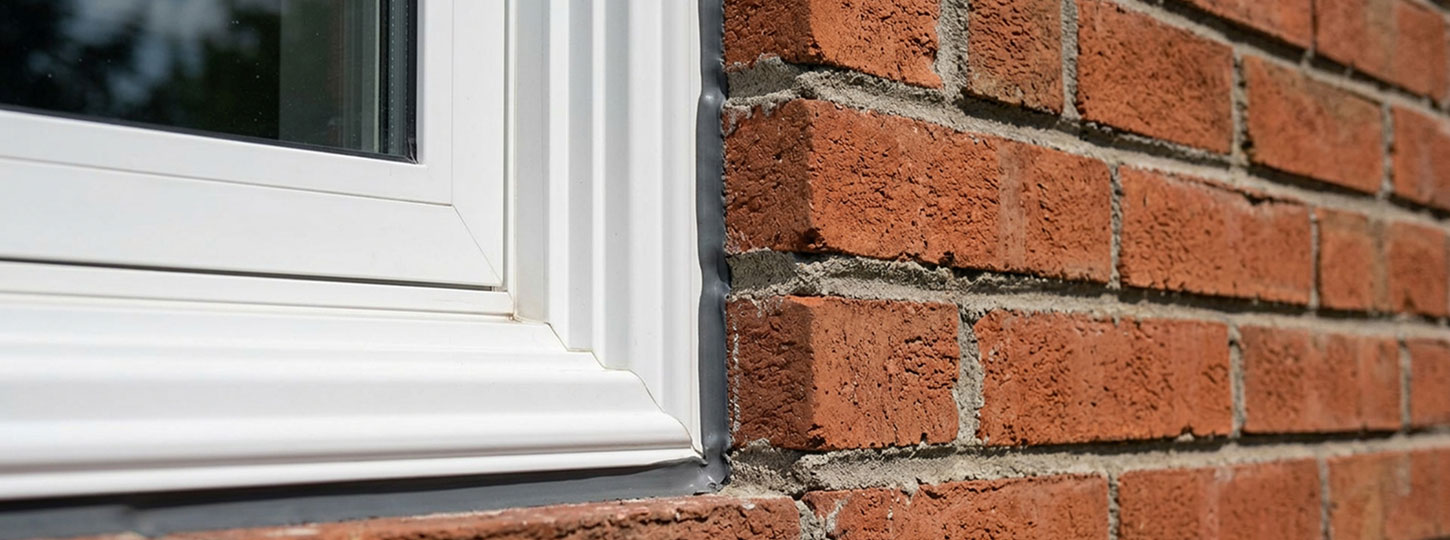


A cracked, warped, or separated strip of trim around a window rarely gets a second look until the wall behind it starts showing water stains. That strip is the brickmould, and its condition often tells homeowners more about a window's real performance than the glass ever will. This guide explains what brickmould does, when it needs attention, and how to tell whether replacing it is enough or whether the whole window has reached the end of its service life.
This article draws on Window Force's experience as a Canadian vinyl window manufacturer. Since 2007, our team has built custom uPVC windows at our 80,000-square-foot Ontario facility, working through an authorized dealer network to reach builders, contractors, and homeowners across the country. Because we see brick mould and flashing details from both the manufacturing and installation sides, the failure points and maintenance patterns described in this guide reflect what actually shows up on service calls, not just what looks correct on paper.
Key Takeaways
- Brickmould is exterior trim that bridges the gap between the window frame and the surrounding wall. It contributes to water management when combined with flashing and sealant, and also provides a finished appearance.
- On its own, brickmould does not waterproof an opening; it works alongside flashing, sealant, and drainage details to keep moisture out of the wall cavity.
- Rot, cracking, separation from the wall, and peeling paint are the clearest signs that brickmould has reached the point where replacement is safer than repair.
- uPVC brickmould offers a lower-maintenance alternative to wood, since it does not rot, swell, or require repainting over its service life.
- Not every replacement project requires new brickmould, but full-frame replacements and homes with visible trim damage almost always benefit from it.
What Is Brickmould and What Does It Do Around a Window?
Brickmould is the exterior trim installed around the perimeter of a window frame, closing the gap between the frame and the surrounding cladding, whether brick veneer, siding, or stucco. It sits outboard of the frame itself and is one of the first components a person sees when looking at a window from the street. Functionally, it provides the installer with a defined surface to seal against the wall finish, which is why its condition is closely tied to how well the opening resists wind and water.
Brick Mould vs Brickmould
Both spellings refer to the same component, and the difference is regional rather than technical. "Brickmould" is the more common form in Canadian and British usage, while "brick mould" appears more frequently in American sourcing and product literature. Homeowners searching for replacement parts or contractors will encounter both spellings used interchangeably, so it is worth recognizing that a supplier quoting "brick mould" and one quoting "brickmould" are describing the identical part.
Where Brickmould Is Installed
Brickmould wraps around all four sides of the window opening: the head at the top, the jambs on each side, and the sill at the bottom. Each side performs a slightly different job. The head section sheds water away from the top of the opening, the jamb sections close the vertical gap against the wall, and the sill section, often shaped to include a slight slope, directs water outward rather than allowing it to sit against the frame.
The table below summarizes the components at a glance.
| Location | Primary Function | Typical Failure Point |
| Head (top) | Sheds water away from the opening | Cracked caulk joint above the window |
| Jambs (sides) | Closes the vertical gap to the wall cladding | Separation from siding or masonry |
| Sill (bottom) | Directs water outward, away from the frame | Standing water, softening, or rot |
Why Homeowners Notice It During Replacement Projects
Most homeowners never think about brickmould until a window replacement project is underway and an installer points out that the existing trim will not match the new unit or has deteriorated to the point of being unusable. At that stage, the choice is between matching the new brickmould to the existing wall opening and accepting a slightly different reveal, which is why it pays to think about brickmould early in the planning process rather than as an afterthought once installation has already started.
Windows Near Me
Why Is Brickmould Important for Window Installation?
Within the Canadian fenestration industry, window performance is assessed as part of a complete assembly that includes installation methodology, interface detailing, and compliance with evolving building code requirements. This systems-based approach is critical because even high-performance products can underperform if installation practices do not align with tested configurations.
Protection
Brickmould is not a waterproofing layer. It supports water management as part of a larger system that includes flashing, sealant, and drainage details. Paired correctly with flashing tape and sealant, it forms part of a layered defence rather than a standalone barrier. Left out, damaged, or installed loosely, that transition becomes one of the more common points of water entry in a residential wall assembly.
Appearance
Beyond its protective role, brickmould gives a window a finished, deliberate look rather than an exposed frame edge butted directly against siding or brick. It defines the visual perimeter of the opening, which matters more on street-facing elevations where window proportions contribute directly to a home's curb appeal.

Fit and Finish
Installers rely on brickmould to establish a consistent reveal around every opening on a facade. The following sequence outlines how that fit is typically achieved:
- The window unit is set and shimmed square in the rough opening.
- Flashing is applied at the sill and jambs before the brickmould is installed.
- Brickmold is fastened to the frame, not to the wall framing, so it moves with the window rather than against it.
- A sealant bead is applied at the wall-to-trim joint once the brickmould is in place.
Field observations from manufacturers suggest that properly detailed flashing and trim reduce callback issues related to water intrusion.
How Does Exterior Brick Moulding Help Protect the Window Opening From Water and Air Leaks?
Exterior brickmould is often mistaken for the waterproofing layer itself, but it functions more like the outermost visible piece of a system that depends on several components working together correctly.
BrickMold and Flashing
Window performance depends on the combined behaviour of the frame, installation method, and interface detailing rather than on any single component alone. Water penetration resistance and air leakage performance are determined by how the entire window system is assembled, not by the exterior trim itself, which reinforces the importance of the correct flashing sequence behind exterior brickmould.
Engineer Sergey Essipov, with 20 years of experience in window manufacturing, explains:
The number one issue we see on service calls tied to brick mould isn't the trim material failing. It's a flashing sequence that was reversed or skipped during the original install, so the trim looks fine from the street while the sheathing behind it has been wet for years.
Sealant Joints
The sealant bead between the brick mould and the adjacent wall finish is a maintenance item, not a permanent seal. Movement from thermal cycling, combined with UV exposure, breaks down most exterior sealants over the years, and a cracked or missing bead at this joint is one of the more common entry points for water and air infiltration.
Sealant joints are not the only seals in a window assembly that must withstand years of thermal movement. Within the glass unit itself, the spacer bar separating the two panes faces a similar challenge, and metal spacers are known to transmit temperature fluctuations that stress the edge seal over time. At our facility, every window is built with a dual-seal, metal-free warm-edge spacer system designed to reduce thermal transfer and keep the edge seal intact longer. For homeowners already thinking about how long an exterior sealant lasts, the same principle, reducing stress on a seal, is applied inside the glass unit as well.
According to the Canada Mortgage and Housing Corporation, moisture intrusion around window and door openings is a recurring contributor to hidden mould growth within wall assemblies, particularly where sealant and flashing details have deteriorated unnoticed.
Common Leak Points
The most frequent leak locations around brickmolded openings are the head-to-jamb corner joints, where two trim pieces meet at an angle, and the sill, where standing water has the most opportunity to sit against the material. A visual gap, discoloration, or soft spot at either location warrants investigation before it becomes a wall repair rather than a trim repair.
Corner joints are among the places where factory-built frames and site-assembled trim behave differently over years of expansion and contraction. At Window Force, every frame corner is fusion welded rather than mechanically fastened, so there is no joint for expansion and contraction to work against over time. That is a different starting point than a brick mould corner that is simply mitred and caulked, and it is part of why we see fewer corner-related callbacks on our own installations. For homeowners, that distinction matters most right at the spot flagged above as a common leak point.
What Does a Proper Brick Mould Detail Include in a Professional Installation?
A brickmould detail is the specific sequence of layered components at the head, jamb, and sill of a window opening. Professionals and inspectors look at this detail, not just the finished trim, to judge whether an installation will hold up over time.
Key Components
A complete detail typically includes the window frame, the brick mould profile, corrosion-resistant fasteners, flashing tape or membrane, a continuous sealant joint, and a drainage path at the sill that allows any incidental moisture to exit rather than pool.
Detail at Head, Jamb, and Sill
The table below outlines what a correctly executed detail looks like at each location.
| Detail Location | What Should Be Present | Common Omission |
| Head | Head flashing with end dams, sealant above trim | Missing end dams, allowing side leakage |
| Jamb | Continuous flashing lapped over the sill flashing | Flashing that stops short of the sill |
| Sill | Sloped pan flashing, weep path to exterior | No slope, trapping water against the frame |
A sloped sill pan with a weep path only works if water actually reaches it, and a frame that flexes under wind load can pull a trim detail out of alignment right where drainage matters most. Window Force frames use a multi-chamber profile with several internal walls rather than a single hollow cavity, which adds rigidity without increasing weight. That rigidity helps keep the sill detail and the weep path built into it properly aligned over the life of the installation rather than shifting as the frame ages.
Why Detail Drawings Matter
Modern window installation guidance emphasizes that interface details at windows require clearly defined sequencing because water management relies on overlapping layers rather than individual materials acting alone. Consistent detailing helps reduce installation variability and supports long-term enclosure performance.
Detail drawings provide installers and inspectors with a shared reference for how each layer should overlap, in what order, and with which materials. Their absence is frequently cited as a contributing factor in warranty claims tied to water intrusion, since a crew working without a documented detail is more likely to improvise a sequence that looks correct on the surface but performs poorly once the wall is closed up.
When Should You Replace Brick Mould Rather Than Keep the Existing Trim?
Reusing existing brick mould during a window replacement is sometimes appropriate, but only when the trim itself is still structurally sound. The decision comes down to what an inspection actually finds once the old window is removed.
Visible Damage
Cracking along the grain, separation at mitred corners, paint that has failed down to bare material, and visible warping are all signs that the trim will not reliably hold a new sealant joint, regardless of how carefully the joint is applied.
Hidden Structural Concerns
Damage is not always visible from the outside. The steps below outline how a hidden problem is typically confirmed:
- Remove the old window and trim together where possible, rather than trying to preserve the trim in place.
- Inspect the wall sheathing directly behind the removed trim for softness, discoloration, or fungal growth.
- Check the rough opening framing for the same signs, since moisture that has reached the trim has often reached the framing as well.
- Document any findings before proceeding, as hidden damage can alter the project's scope.
Hidden moisture damage is sometimes discovered during full-frame replacement projects, even when the original trim appears to be in acceptable condition.

Cost of Delaying Replacement
Trim left in a deteriorating state does not remain static. Continued exposure allows more moisture to reach the framing behind it, and a repair that would have been limited to trim and sealant during a hidden window frequently expands into sheathing or framing repair if it is deferred long enough.
How Is Brick Mould Different From Casing, Jamb Extensions, and Other Window Trim Pieces?
Brickmold is one of several trim components used around a window, and confusing it with interior pieces can lead to incorrect assumptions about what each part actually does.
Interior vs Exterior Trim
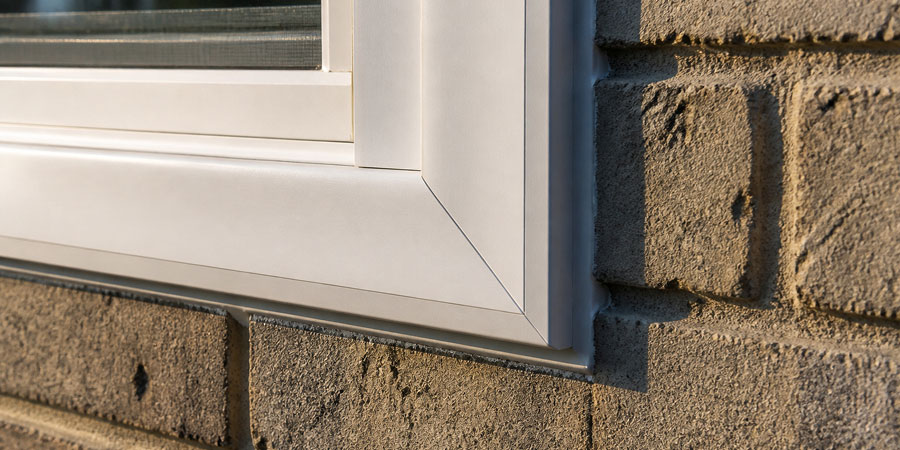
Brick mould is always an exterior component. Interior trim pieces, including casing and jamb extensions, serve a different purpose: they finish the transition between the window frame and the interior wall surface, and they have no role in weather protection.
Brickmold vs Casing
Casing, as offered in Window Force's exterior casing options, can be used on either the interior or exterior of a window, and when used on the exterior, it may resemble brick mould at a glance. The distinction is functional: brick mould is specifically designed and detailed to integrate with flashing and cladding at the rough opening, while decorative casing is generally applied over a finished wall surface without that same water-management role.
Brickmold vs Nailing-Fin Accessories
Nailing-fin windows use a different exterior attachment method entirely, relying on an integrated flange fastened directly to the sheathing, then covered by the cladding or by a separate trim piece. Brick mould, by contrast, is typically used with frame styles designed for masonry or retrofit openings where a visible exterior trim reveal is expected rather than a concealed flange. Homeowners comparing window options can review the full range of available window styles and frame types to understand which installation method applies to each.
Does Every Replacement Window Need Brickmold?
Not every replacement project calls for a new brickmold, and the right answer depends heavily on the type of replacement being performed.
Retrofit Situations
In a retrofit, where the existing frame and trim remain in place and a new window is installed in the old frame, the original brick mould is often kept if it is in good condition. This approach avoids disturbing the surrounding wall finish, though it only makes sense when an inspection confirms the existing trim and flashing are still performing.
Full-Frame Replacements
A full window replacement removes the old window down to the rough opening, which means the brick mould comes off as well. In these projects, a new brick mould is effectively required, since there is no existing trim left to reuse.
Because a full-frame replacement removes the trim along with the old window, homeowners are effectively choosing a new brick mould profile at the same time they choose a new window, and sourcing the two from different suppliers can lead to a mismatched reveal or a warranty that only covers part of the assembly. Window Force manufactures its uPVC brick mould in-house alongside its window frames, so both come from the same production run and carry the same 25-year transferable warranty. That means a full-frame replacement comes with a single warranty covering the trim and window together, handled through our authorized dealer network rather than pieced together from separate purchases.
New-Construction vs Replacement
New construction almost always specifies new brick mould as part of the original window package, matched to the cladding being installed. Replacement projects have more flexibility, but a general rule holds across both: if the wall finish around the opening is being disturbed for any reason, matching new brick mould to it produces a cleaner result than trying to preserve a piece of trim that will look mismatched against fresh siding or repointed masonry.
An experienced installer will also flag local wall conditions, such as uneven masonry coursing or settled siding, that can affect which brick mould profile fits cleanly against a given exterior, since not every opening presents the same reveal even on the same house.
Which Materials Are Used for Brick Mould and Which One Lasts the Longest?
Material choice affects how much attention brick mould needs after installation and how long it performs before showing signs of wear.
Wood Brickmold
Wood remains common on older homes and in projects where matching an original architectural profile matters more than long-term maintenance. It accepts paint well and can be shaped into custom profiles, but it is also the most vulnerable to rot when moisture repeatedly reaches it, particularly at the sill.
PVC Brickmould
uPVC Brickmould does not absorb moisture the way wood does, which removes rot as a failure mode entirely. Window Force manufactures its lead-free uPVC brickmould in multiple sizes and profiles, compounded with UV stabilizers to maintain its shape and colour without repainting across a wide range of Canadian climate conditions.
Best Option for Low Maintenance
The table below compares the three most common material categories.
| Material | Moisture Resistance | Maintenance Needs | Typical Lifespan Consideration |
| Wood | Low without regular sealing | Repainting, periodic sealing | Shortest without upkeep |
| Composite | Moderate to good | Occasional cleaning | Moderate, varies by product |
| uPVC | High, does not absorb moisture | Cleaning only | Long service life with minimal upkeep |
Choosing uPVC for its low-maintenance profile only pays off if the material is properly manufactured and backed. Window Force produces its lead-free uPVC brick mould at its Ontario facility and installs it through an authorized dealer network, so the same company that stands behind the trim's 25-year transferable warranty is also responsible for its fabrication. Combined with CSA certification and ENERGY STAR qualification across all Canadian climate zones, this gives homeowners a low-maintenance material choice with a warranty and certification record to match, rather than a trim component sourced separately from whoever installs the window.
How Does Brick Mould Affect the Appearance and Curb Appeal of New and Replacement Windows?
Brick mould does more than protect an opening; it also shapes how a window reads visually against the rest of the facade.
Profile Choices
Different brick mould profiles range from simple flat stock to more decorative, layered designs. A flat, narrow profile suits contemporary architecture, while a wider, more detailed profile tends to complement traditional or heritage-style homes.
Colour Coordination
Matching or intentionally contrasting the brick mould colour with the window frame and the surrounding cladding is one of the simpler ways to change a facade's overall character without altering the window's function. Homeowners in the Greater Toronto Area frequently choose a contrasting trim colour specifically to make window openings stand out against brick veneer, while others prefer a matched tone for a more understated look.
Exterior Design Consistency
Consistency across every opening on a facade, using the same profile and colour throughout, produces a more deliberate, finished appearance than mixing trim styles between older and newer window installations on the same house.
What Installation Mistakes Can Cause Brickmold to Fail Early?
Even quality brick mould material fails prematurely when installation errors are introduced during the original setup.
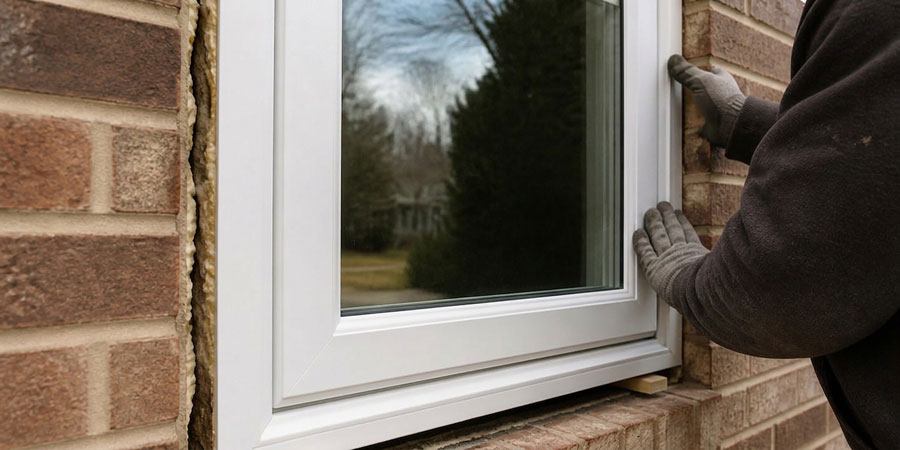
Poor fastening is one of the more common issues: fasteners driven through the trim into the wall framing, rather than into the window frame itself, restrict the assembly's ability to move with normal thermal expansion and contraction, which eventually cracks the trim or the surrounding sealant joint. Skipped or reversed flashing sequencing, discussed earlier in this guide, is another frequent cause, since it traps water behind the trim rather than directing it away from the opening. A third common error is selecting a trim material poorly matched to the local climate, such as installing unsealed wood in a high-moisture coastal exposure.
Engineer Sergey Essipov, with 20 years of experience in window manufacturing, notes:
We get calls about trim that looks fine but has actually been holding water against the frame for two or three seasons. Once you open it up, the fastening pattern usually tells the story: fasteners through the trim into the framing instead of the sash, which locks the whole assembly rigid and gives it nowhere to move.
Maintenance-related failures round out the list. A sealant joint that is never inspected or refreshed eventually fails regardless of how well the original installation was executed, and that gradual breakdown is often mistaken for a material defect rather than a routine maintenance gap.
How Should Homeowners Inspect Exterior Brickmolding After a Window Installation?
A short, periodic inspection routine catches most brickmolding problems before they become major repairs.
Post-Installation Checklist
A brief inspection routine performed once or twice a year helps identify minor maintenance issues before they develop into more costly repairs. Paying attention to trim condition, sealant performance, and early signs of moisture intrusion can extend the service life of exterior brick moulding and preserve the weather-resistant seal around the window.
- Look for visible gaps between the trim and the adjacent wall finish, particularly at corner joints.
- Check for soft spots by gently pressing the wood trim at the sill and lower jambs.
- Inspect the sealant joint for cracking, shrinkage, or complete separation from either surface.
- Note any peeling or blistering paint, which often signals moisture trapped underneath.
- Watch for water stains on the interior wall or sill directly below the window.
Seasonal Checks
A basic check after the freeze-thaw cycle of late winter and again after the wettest stretch of the year, typically autumn in most of Canada, catches the two periods when thermal movement and moisture exposure are highest.
When Inspection Matters Most
Inspection matters most in the first two years after installation, when initial settling and sealant curing are most likely to reveal any gaps in the original work, and again once a trim installation passes the ten-year mark, when material fatigue becomes a more realistic factor regardless of installation quality.
What Should You Remember About Brick Mould Before Choosing New Windows?
Brick mould is not a purely cosmetic add-on. It is a functional layer in the window assembly that works together with flashing and sealant to keep water and air out of the wall, and its condition is often a more reliable indicator of a window's real performance than the glass or frame alone. Choosing a durable, properly detailed trim at the time of installation and inspecting it periodically afterward prevents the kind of hidden moisture damage that can turn a simple trim repair into a larger wall repair.
Homeowners planning a window project should ask their installer or manufacturer what trim material is proposed, how the flashing sequence will be handled at the head, jambs, and sill, and whether the brick mould profile will match the existing reveal or require adjustment to the surrounding wall finish. Window Force manufactures its uPVC brickmould in-house alongside its complete window systems, keeping the trim profile, colour, and fit consistent with the frame it pairs with, rather than sourcing it as a separate, unmatched component.

Frequently Asked Questions
Is brickmold required by building code?
Requirements vary by jurisdiction and by wall assembly type. Some codes and best-practice guides call for a continuous trim-and-flashing detail at window openings, while others leave the trim choice to the designer, provided the underlying water-management layer is present. A local building official can confirm the requirement for a specific project.
Can brick mould be painted or does it need to match the window colour?
Wood and some composite brick moulds can be painted to match or contrast with the window frame. uPVC brick mould is coloured throughout the material and typically does not require repainting, which is part of why many homeowners choose it for long-term colour consistency.
How often does brickmould need to be replaced?
There is no fixed schedule, since lifespan depends heavily on material and climate exposure. Wood trim in a high-moisture location may need attention within a decade, while uPVC brick mould in the same location often performs well beyond that without structural issues.
Does brick mould affect a window's energy efficiency?
The brick mould itself is not an insulating component, but a poorly sealed trim joint allows air leakage around the frame, which does affect comfort and energy performance. A properly sealed and flashed brick mould detail supports the window's overall performance rather than working against it.
Can I install a brick mould myself?
Basic trim replacement is within reach for an experienced do-it-yourselfer, but the flashing sequence beneath the trim is where most failures originate, and getting that sequence wrong doesn't show up until a leak develops years later. Professional installation is generally the safer choice for full trim and flashing replacement.
What is the difference between a brick mould and a nailing fin?
Brick mould is a visible exterior trim piece installed around the window opening, while a nailing fin is a flange built into certain window frames that fastens directly to the wall sheathing and is later covered by cladding or trim. The two serve different roles in the same overall installation.
People Also Ask