

Few home improvements influence comfort, energy bills, and resale value as directly as new windows, yet the decision is often delayed because the pricing and the process feel unclear. This guide sets out what actually drives the numbers, how to tell repair from replacement, and how to compare offers so that the money you spend translates into measurable performance rather than guesswork.
The pricing and process guidance in this article reflect how windows are actually costed and built, not how they are marketed. Window Force has manufactured custom vinyl windows since 2007 from an 80,000-sq-ft facility in Ontario, supplying builders, contractors, dealers, and homeowners nationwide. Because we run production year-round and coordinate installations across all four seasons through an authorized dealer network, the cost drivers, the repair-versus-replace signals, and the quote-comparison points set out below come from both the production floor and the job site rather than from a price list.
Key Takeaways
- The largest cost drivers are frame material, glass package, size, custom manufacturing, and the labour required to fit and seal each unit correctly.
- Repair makes sense for isolated hardware or a single failed pane, while age, rot, water entry, and fogging between panes point toward full replacement.
- Retrofit installation is faster and cheaper, but a full-frame approach is the durable choice when the surrounding structure has deteriorated.
- Vinyl remains the dominant material for modern homes because it balances thermal performance, low maintenance, and long service life.
- Quotes should be compared on scope, materials, glass specification, warranty, and installation method, not on headline price alone.
What Factors Affect Window Replacement Cost the Most?
The single most useful thing to understand before requesting quotes is that the sticker price of a window is only part of the total. The replacement windows price in Ontario or Alberta you eventually pay is shaped by the product itself, the labour to install it, and the condition of the opening it goes into. Understanding these variables in advance is what separates an informed buyer from one who simply reacts to the lowest number.
Across most projects, the same five variables move the price up or down: frame material, unit size, glazing package, the degree of custom manufacturing required, and the installation labour, including removal and disposal of the old units. When any structural repair is uncovered around the opening, it becomes a sixth, and sometimes decisive, factor.
Material and Glazing
Frame material sets the baseline. Vinyl typically sits at the accessible end of the range; fibreglass and composite frames occupy the middle to upper end of the range, and wood carries both a higher purchase price and higher lifetime maintenance costs. The glass package then layers on top: moving from double to triple glazing, adding a second low-emissivity coating, or switching from air to argon fill, each raises the unit price while improving thermal performance.
Sergey Essipov, an engineer with 20 years in window manufacturing, explains where homeowners most often misjudge value:
People compare glass packages on the upfront price and stop there, but the number that actually matters is what the unit costs you over twenty years. At our facility, we build the insulating glass unit around a dual-seal, metal-free warm-edge spacer because the edge of the glass is where seals fail first and where a weaker unit begins to fog, triggering service calls. Paying slightly more for a properly sealed unit isn’t a premium; it’s the version that stays quiet on your maintenance budget.
Labour, Home Condition, and Custom Work
Labour reflects more than time on site. It covers the safe removal of the existing unit, precise levelling, insulating the gap, sealing against air and water, and finishing the interior and exterior trim. Older openings frequently hide rot or moisture damage that must be corrected before a new unit is set, and custom shapes or oversized openings add manufacturing complexity that a standard-size order does not carry.
| Cost driver | Typical impact on price | Why it matters |
| Frame material | Low to high | Sets the baseline and the long-term maintenance burden |
| Glazing package | Moderate to high | Double vs triple glazing, coatings, and gas fill change thermal performance |
| Unit size | Moderate | Larger openings use more material and are harder to handle |
| Custom manufacturing | Moderate to high | Non-standard shapes and sizes add production complexity |
| Installation labour | Moderate | Removal, levelling, sealing, insulation, and trim finishing |
| Structural repair | Variable | Hidden rot or moisture damage must be fixed before fitting |
Windows Near Me
How Much Does It Cost to Replace Windows by Project Type?
Once the drivers are clear, the next question is how they add up in real situations. The cost to replace windows varies widely depending on whether you are addressing a single failed unit, redoing an entire home, or choosing between a retrofit and a full-frame method. As a Canadian window company, we discuss both installed pricing, where product and labour are combined, and supply-only pricing for homeowners who arrange their own installation.
Single Window and Whole-Home Projects
A single replacement carries a higher per-unit cost because the crew mobilizes, removes, and finishes for just one opening. Whole-home projects lower the per-unit figure through economies of scale, though the total investment is naturally larger. Homeowners planning a phased approach should weigh the convenience of doing everything at once against spreading the expense across seasons.
Retrofit Versus Full-Frame Pricing
Retrofit installation, where the new unit is fitted into the existing frame, reduces labour and disposal costs and is well suited to openings that remain sound. A full-frame window replacement removes the entire assembly down to the rough opening, which is more expensive but the correct approach when the frame or surrounding structure has failed. The right choice is a function of building condition rather than budget preference alone.
One national detail is worth knowing before you assume a low-cost retrofit will qualify for incentives. Under the federal Canada Greener Homes Initiative, support was offered per rough opening rather than per window unit, and glass-only or sash-only replacements were not eligible; only full-unit replacements counted. That distinction, published by Natural Resources Canada, is a reminder that the cheapest patch is not always the one that carries the most value.
When Should You Replace Windows Instead of Repairing?
Not every problem calls for replacement. Knowing when to replace windows rather than repair them saves money and avoids repeated service visits that never resolve the underlying issue. The deciding factor is whether the fault is a discrete, serviceable part or a sign that the unit has reached the end of its working life.
Repairable Problems
Some faults are genuinely fixable. A worn crank, a broken lock, damaged weatherstripping, or a single cracked pane in an otherwise healthy frame can usually be repaired at modest cost. If the frame is straight, dry, and structurally sound, a targeted repair can extend service life without the expense of a full unit replacement.
Replacement-Only Problems and Lifespan
Other symptoms signal that repair is a false economy. Persistent drafts, condensation trapped between the panes, rot in the frame, sashes that stick or fail to seal, water infiltration, intrusive outside noise, and steadily rising energy bills collectively indicate that the unit can no longer perform. Most quality windows deliver a long service life, but once the seal and frame integrity are gone, replacement is the sound decision.
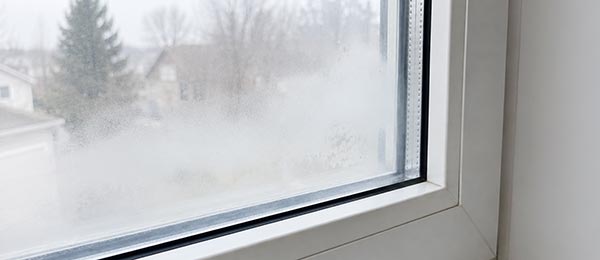
- Fogging or moisture between panes, which means the sealed glass unit has failed.
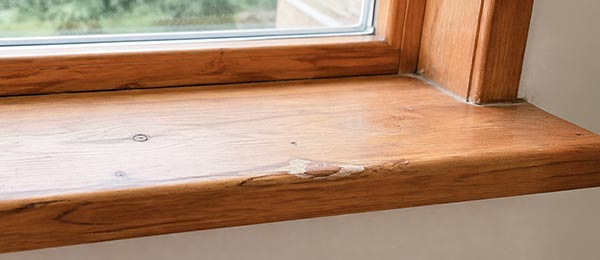
- Frame rot, warping, or water entry around the opening.
- Drafts and rising heating or cooling costs that persist after minor repairs.
The failure this section describes — a frame that has rotted, warped, or lost its seal — is the endpoint that frame construction is meant to postpone. Window Force extrudes its frames from lead-free uPVC compounded with UV stabilizers, so the material resists chalking and embrittlement that cause lower-grade vinyl to distort after years of sun and freeze-thaw cycling. Every corner is fusion-welded into a single continuous joint rather than mechanically fastened, which seals off the corner gaps where air and moisture typically begin working into a frame long before the rest of the unit gives out.
Which Warning Signs Show Your Windows Are Failing?
The signs of a failing window fall into three groups that a homeowner can assess without specialist tools: what you can see, what you can feel, and what shows up on your utility bill. Reading all three together gives a reliable picture of whether action is needed.
Visual Signs
Look for condensation or a milky haze sealed between the panes, which cannot be wiped away because it sits inside the glass unit. Warped or discoloured frames, visible gaps at the corners, and daylight showing around a closed sash are all clear structural warnings.
Comfort and Efficiency Signs
A window that has failed often announces itself through comfort before appearance. Cold spots near the glass in winter, rooms that overheat in summer, and audible drafts point to compromised seals. When these coincide with climbing energy bills, the window has moved from a cosmetic concern to a performance liability, and a working set of energy-efficient replacement windows becomes the practical remedy.
Sergey Essipov, with 20 years of experience in window manufacturing, notes that the earliest reliable indicator is usually tactile rather than visual: a noticeable temperature difference within a hand's width of the glass almost always precedes any fog or frame damage a homeowner would spot.
Why Is Vinyl Window Replacement So Popular?
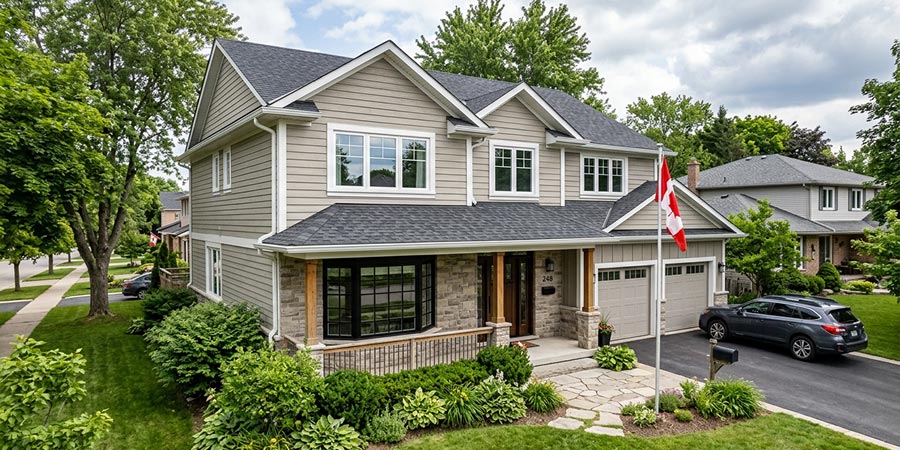
For modern homes, vinyl has become the default choice, and for practical rather than fashionable reasons. Vinyl window replacement offers strong thermal performance, resists weather and corrosion, and requires almost no maintenance, which is why it dominates the residential market. As a vinyl window supplier, we see the material chosen most often precisely because it removes the upkeep that wood and older metal frames demand.
Energy Efficiency, Maintenance, and Longevity
The multi-chamber structure of a vinyl frame traps air and slows heat transfer, thereby reducing energy use when paired with a good glass package. The material does not rot, rust, or require repainting, so maintenance is limited to occasional cleaning. Properly manufactured units hold their shape and sealing across decades of temperature swings, which is the core of their long-term value.
Where Window Force separates its profiles from commodity vinyl is the chamber count of the frame cross-section. Instead of a simple hollow profile, our frames use multi-chamber uPVC extrusions that divide the section into sealed air cells, each one acting as a small thermal break as the still air inside slows heat transfer. Against a single-chamber budget frame of the same wall thickness, that geometry is what keeps the frame’s own contribution to the whole-window U-factor low on the coldest nights, precisely when frame-edge heat loss does the most to undercut comfort.
| Property | Vinyl | Wood | Aluminum |
| Thermal performance | High | High | Low without thermal break |
| Maintenance | Minimal | Regular painting and sealing | Low, but conducts heat |
| Weather resistance | Excellent | Vulnerable to moisture | Prone to condensation |
| Typical service life | Long | Along with upkeep | Moderate |
How Does Replacement Window Installation Work?
Understanding the sequence of a window installation helps homeowners judge whether a contractor is following sound practice. The process runs from consultation through manufacturing to a finished, sealed, and insulated opening, and each stage affects how the window will perform for years afterward.
Pre-Installation
The job begins with an in-home consultation and precise measuring, followed by product and glass selection matched to the home and climate. Custom units are then manufactured to the confirmed measurements, which is why accurate measuring at this stage is critical.
That dependence on accurate measurement is the whole reason Window Force builds on a custom-to-order basis rather than from catalogue stock. Because each unit is manufactured to the confirmed rough-opening dimensions rather than pulled from a preset size and shimmed to fit, the finished window sits square in the opening with a consistent reveal and even seal pressure around the sash. For the homeowner, that surfaces later as a window that keeps operating smoothly and sealing tightly, rather than one fighting a gap that installation caulk was quietly asked to cover.
Installation Day and Post-Installation Checks
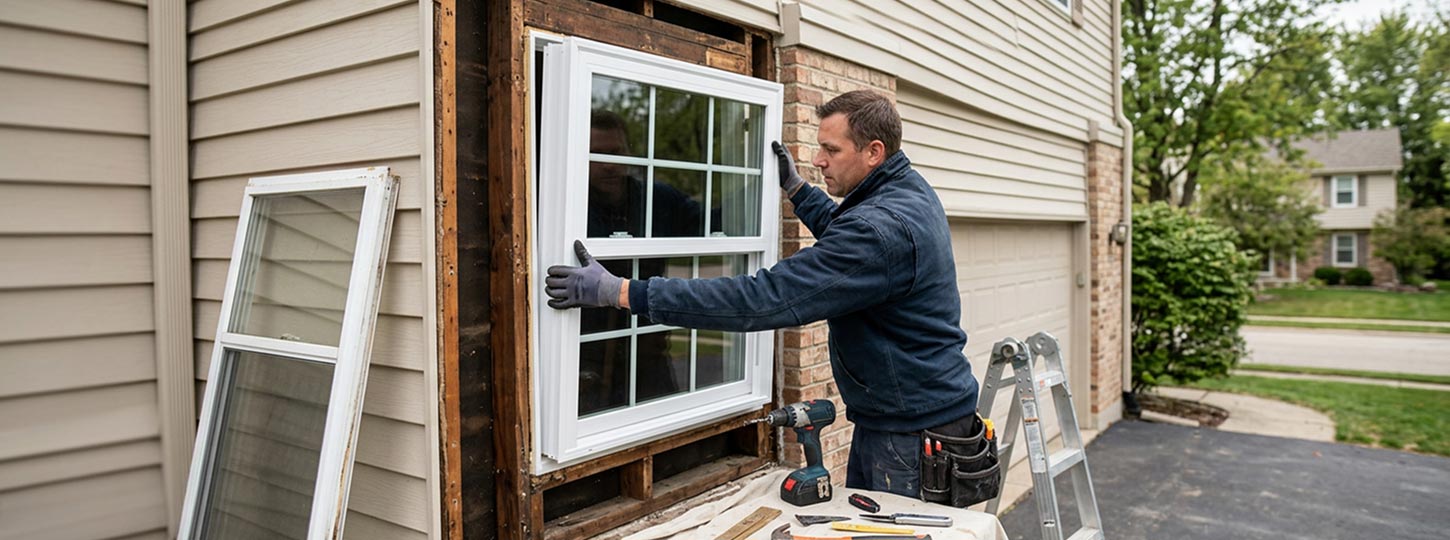
On the day, the crew removes the old unit, sets and levels the new one, insulates the gap, and seals against air and water before finishing the trim and cleaning the site. A final check confirms smooth operation, an even reveal, and a complete seal.
Sergey Essipov, with 20 years of experience in window manufacturing, explains that levelling and sealing are the two steps most predictive of long-term performance: a unit set even a few millimetres out of square will strain its seals and hardware over time, regardless of how well it was built.
Retrofit or Full-Frame Window Replacement?
The choice between the two installation methods is one of the more consequential decisions in any project because it affects cost, performance, and the level of disruption the work causes. Each method has a clear set of circumstances where it is the right answer.
Best Use Cases, Pros, and Cons
Retrofit fits the new window inside the existing frame, which keeps labour, disposal, and disturbance to a minimum and suits openings whose frames are still sound. Full-frame removes everything back to the rough opening, allowing inspection and repair of the surrounding structure and correction of any hidden damage, at the cost of more labour and a higher price. When rot, water damage, or air leakage around the frame is present, the full-frame route is the only one that resolves the root cause.
How Do Energy-Efficient Windows Reduce Long-Term Costs?
Windows are a major part of a home's thermal envelope, so their efficiency has an outsized effect on heating and cooling costs over time. The saving comes not from the label alone but from the combination of a good product and an installation that actually delivers the rated performance.
Energy Savings, Comfort, and Condensation Control
A well-specified unit reduces heat loss in winter and heat gain in summer, thereby stabilizing indoor temperatures and reducing the load on heating and cooling systems. It also reduces interior condensation by keeping the inner glass surface warmer, which protects finishes and indoor air quality. The connection between installation quality and real performance is direct: even the best window underperforms if it is poorly sealed or set out of level.
- Low-emissivity coating reflects radiant heat, thereby reducing heating and cooling loads.
- An argon gas fill slows heat transfer between the panes, resulting in steadier indoor temperatures.
- A warm-edge spacer reduces heat loss at the glass edge, so there is less condensation where the panes meet the frame.
- Quality sealing blocks air and water infiltration, which is what lets the unit actually deliver its rated performance.
Provincial incentive programs illustrate how efficiency is rewarded across the country, and they are useful as examples rather than as the whole picture. In Ontario, for instance, the Home Renovation Savings Program, delivered through Save on Energy, offers rebates on ENERGY STAR-certified windows and runs through 2026, while other provinces run their own equivalents. Homeowners considering window installation in Ontario or a comparable upgrade elsewhere should check which program is active in their region.
What Should Homeowners Expect During Installation?
Knowing what a professional appointment involves removes most of the anxiety around the work and helps homeowners prepare their rooms sensibly. The visit follows a predictable rhythm from arrival to final inspection.
Before the Crew Arrives
Clear furniture and belongings away from each opening, take down blinds and curtains, and ensure the crew has a clear path to work. A little preparation shortens the job and protects your possessions from dust.
During and After Installation
Expect some dust and noise as old units come out and new ones go in, along with a timeline that depends on the number of openings. Once the units are set, sealed, and trimmed, a final walkthrough should confirm operation and finish. Keep the warranty paperwork and product documentation provided by the installer, as these are important for any future claim.
- Confirm each window opens, closes, and locks smoothly before the crew leaves.
- Check the interior and exterior seals and trim for a clean, even finish.
- Store the warranty and product paperwork somewhere safe.
How Can You Compare Window Quotes Without Overpaying?
A low headline price often hides a narrow scope, and the only way to compare offers fairly is to line them up on the same terms. Properly comparing quotes helps protect a large investment from turning into a series of unexpected extra charges.
What Should Be Included and What Raises Red Flags
A complete quote states the frame material, the exact glass package, the installation method, disposal of old units, and the warranty terms in writing. Vague product descriptions, missing glass specifications, no mention of disposal, and pressure to sign immediately are all warning signs. The goal is an apples-to-apples comparison where the only real variable is the value each provider offers.
- Confirm that the material, the glass package, and the installation method are all specified — and go further: ask for the certified whole-window U-factor, not just whether the unit is 'Low-E with argon.' Any two Low-E coatings are not equivalent. A LoĒ² unit in a 12 mm argon cavity performs very differently from a LoĒ³-366 in the same cavity, but both are described as 'Low-E with argon' on a sales sheet. The only number that compares apples to apples is the certified whole-window U-factor on the NFRC label or the CSA A440 test report. If a supplier cannot produce that document, you are buying on faith.
- Check that removal, disposal, and cleanup are included and not billed later.
- Read the window warranty terms and confirm what is covered and for how long.
This is also where Window Force’s structure does part of the comparison work for you. Because every unit is custom-manufactured to order and sold through an authorized dealer network rather than as anonymous stock, the frame material, glass package, and installation method you lined up on paper are the same ones that are tied to the warranty on the finished window. That warranty runs 25 years and is transferable, and the units are CSA-certified and engineered to meet or exceed ENERGY STAR® requirements across all Canadian climate zones, so the performance you weighed one quote against another for is documented, backed, and still yours to hold us to if you sell the home a decade from now.
How Do Climate and Home Style Shape Window Choice?
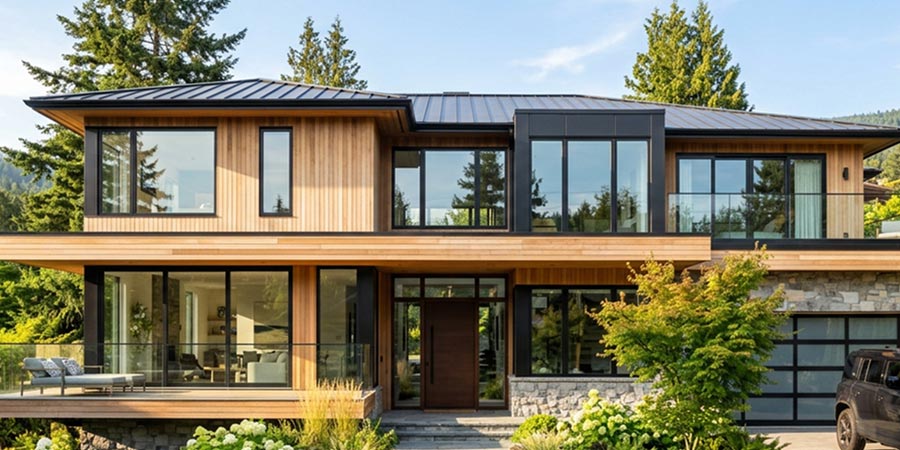
The best window for a home depends on where it stands and how it was built. Climate, exposure, orientation, and the age of the house all influence which frame, glazing, and installation method will perform and look right.
Cold-Weather Needs, Older Homes, and Style Matching
In colder regions, low-emissivity coatings, argon fill, and warm-edge spacers earn their place by reducing heat loss and controlling condensation. Older homes often have out-of-square or deteriorated openings that favour a full-frame approach, and heritage styling may call for specific frame profiles or grille patterns. Orientation matters too: south- and west-facing elevations receive more solar heat, so glazing can be tuned accordingly. Homeowners comparing quotes for different window styles and configurations will find that style affects cost, installation method, and achievable air-seal performance. A window manufacturer in Ontario faces different seasonal demands than one serving a milder coastal climate, which is exactly why product selection should follow the local conditions rather than a single national default.
What to Remember Before Deciding
A sound window decision rests on five linked judgments: understanding the real cost drivers, timing replacement correctly against repair, choosing the right material, matching the installation method to the building's condition, and comparing quotes on equal terms. Getting these right is what turns a large expense into a lasting improvement in comfort, efficiency, and home value.
The practical path is straightforward. Assess the condition of your current windows honestly, decide between retrofit and full-frame based on the state of the openings, specify a glass package suited to your climate, and insist on written, comparable quotes before committing. Handled this way, the project rewards you for years rather than surprising you with early failures.
Ready to turn this from research into a firm number? Send your project details through the contact form on the Window Force website, and our team will follow up to arrange an in-home measurement. From there, you’ll receive a glass-and-frame configuration matched to your climate zone and a written, itemized quote you can line up directly against any other offer — the same apples-to-apples comparison this guide advocates — along with a realistic production and installation timeline for your openings.
Frequently Asked Questions
How long does a professional window installation take?
A single opening is often completed within a few hours, while a whole-home project typically takes one to three days, depending on the number and size of the units and whether any structural repairs are needed.
Can I replace just the glass instead of the whole window?
If only the sealed glass unit has fogged and the frame is sound, glass replacement can be an option. Once the frame itself is rotted, warped, or leaking, replacing the full unit is the reliable fix; many incentive programs require full-unit replacement rather than glass alone.
Do double-pane and triple-pane windows both qualify for efficiency programs?
Generally, the unit's certification matters more than the pane count. A double-pane window with the right coatings and gas fill can meet ENERGY STAR requirements, so confirm the certification of the specific model rather than assuming more panes are always required.
Is retrofit or full-frame installation better?
Neither is universally better. Retrofit is faster and less costly when the existing frame is sound, while full-frame is the correct choice when the surrounding structure is damaged, because it allows that damage to be repaired before the new unit is set.
How do I know if my windows need replacing rather than repairing?
Isolated hardware faults or a single cracked pane in a healthy frame are usually repairable. Fogging between panes, frame rot, persistent drafts, water entry, and rising energy bills together indicate that replacement is the sounder investment. To discuss your project or arrange an assessment, reach out through the contact form on our website, and our team will follow up.
People Also Ask